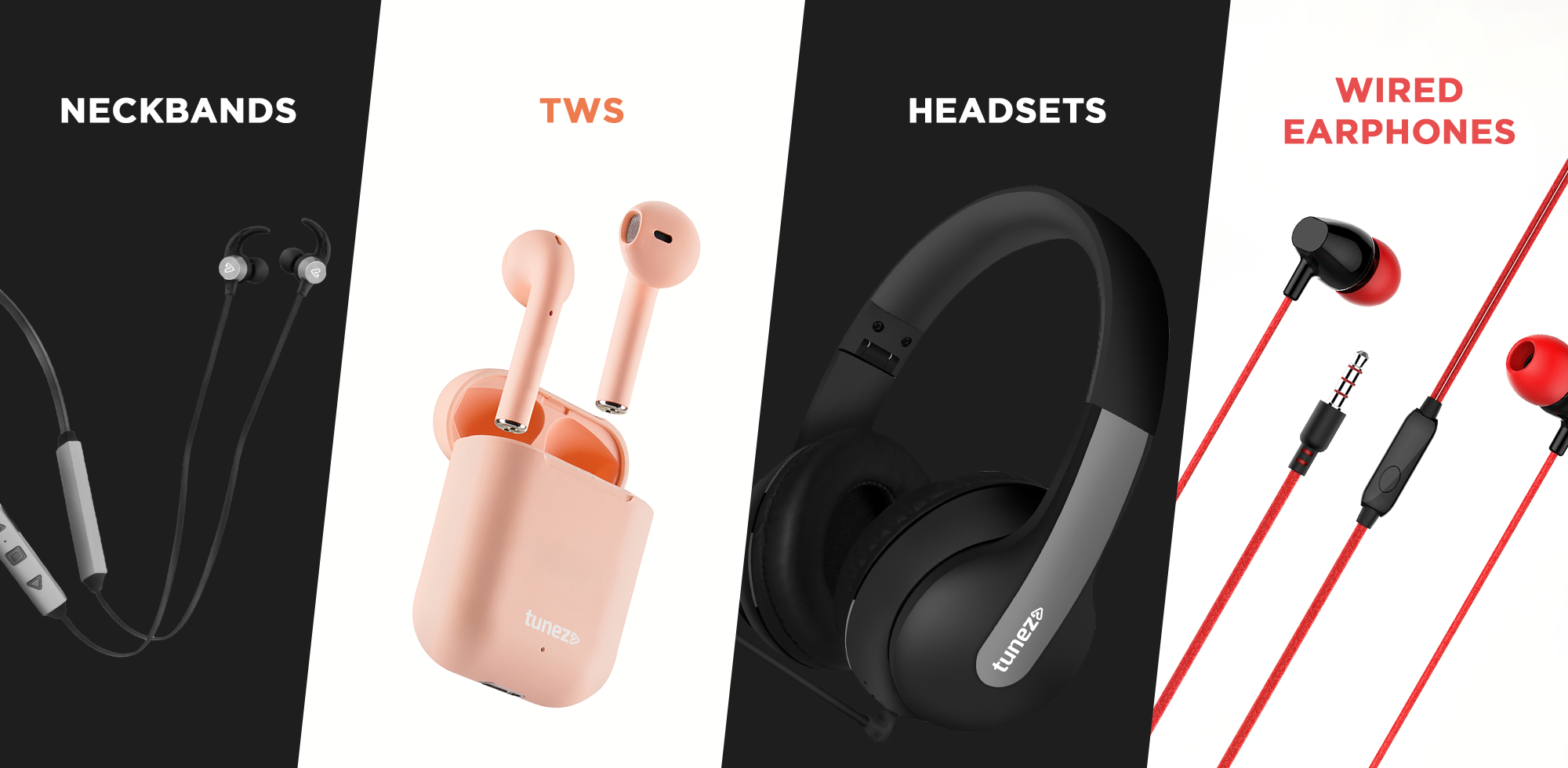

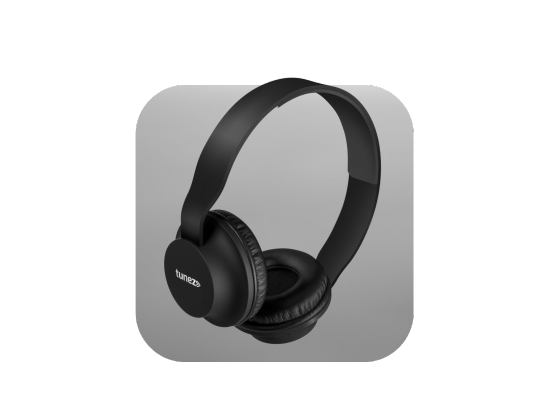






Wireless earphones have changed the way people listen to music, podcasts, videos, and calls. Without a cable connecting the earphones to a phone or laptop, users get greater freedom of movement and a simpler listening setup.
From true wireless earbuds to wireless neckbands, different designs now suit different listening habits. The important question is not whether wireless earphones are simply newer than wired models, but which features make them useful for your everyday needs.
What Are Wireless Earphones?
Wireless earphones use Bluetooth or another wireless connection to receive audio from a compatible device. Unlike traditional wired earphones, they do not require a physical audio cable between the earphones and the source device.
Wireless earphones generally fall into two categories:
- True wireless earbuds: Each earbud works independently without a cable between the left and right sides.
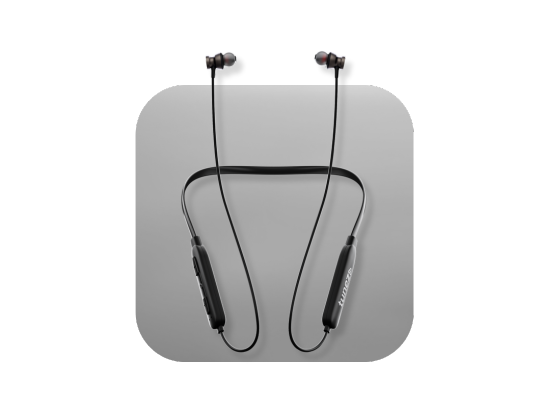
- Wireless neckbands: The earbuds are connected by a flexible band that rests around the neck.
Both provide wireless listening, but their designs suit different preferences.
Why Are Wireless Earphones So Popular?
The biggest advantage is convenience. Removing the cable makes it easier to move around while listening to audio.
Wireless earphones are useful for:
- Commuting and travel
- Walking and everyday activities
- Watching videos
- Listening to music and podcasts
- Phone and video calls
- Work and study sessions
Bluetooth connectivity also eliminates the need to keep a cable physically connected to the phone while listening.
Wireless Freedom Without a Cable
With wired earphones, the cable can become tangled, catch on clothing, or restrict movement. Wireless earphones remove these common inconveniences.
This makes them particularly practical when you are moving between locations or using your phone while walking, travelling, or working.
However, wireless models depend on battery power, so charging becomes part of regular use.
Sound Quality Depends on More Than Being Wireless
Wireless technology itself does not guarantee better or worse sound. Audio performance depends on several components working together.
Important factors include:
- Driver size and construction
- Acoustic tuning
- Bluetooth codec support
- Earbud fit and seal
- Digital audio processing
- Quality of the original audio source
For example, two wireless earphones can use Bluetooth while producing noticeably different sound because their drivers and acoustic tuning are different.
Features That Matter When Choosing Wireless Earphones
Battery Life
Check both the earphone playback time and, for true wireless models, the additional charge provided by the charging case.
Your ideal battery capacity depends on how frequently you listen and how often you can recharge.
Microphone Quality
If you regularly make calls or attend online meetings, microphone performance becomes an important consideration.
Look for models designed for clear voice pickup and effective handling of background noise.
Comfort and Fit
Even good-sounding earphones are difficult to enjoy if they do not fit comfortably.
Consider ear-tip options, weight, shape, and how securely the earphones stay in place during movement.
Bluetooth Connectivity
Check Bluetooth compatibility and the features supported by both your earphones and source device. Stable connectivity is particularly important for calls, videos, and everyday mobility.
Controls
Touch or physical controls can make it easier to play or pause audio, adjust functions, answer calls, or change tracks without repeatedly reaching for your phone.
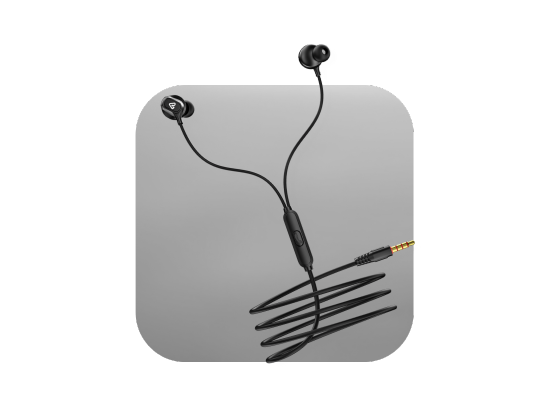
Wireless Earphones vs Wired Earphones
Neither type is universally better. The right option depends on how you use your audio device.
| Feature | Wireless Earphones | Wired Earphones |
| Connection | Bluetooth or wireless | Physical cable |
| Movement | Greater freedom | Cable may restrict movement |
| Battery | Required | Not normally required |
| Convenience | Easy for everyday mobility | Simple plug and play where supported |
| Calls | Depends on built-in microphone | Depends on built-in microphone |
| Compatibility | Requires wireless support | Requires compatible wired port or adapter |
Wireless earphones are generally convenient for mobile use, while wired earphones can be useful for people who prefer a direct connection without charging.
Are Wireless Earphones Good for Music and Calls?
Yes, wireless earphones can handle both music and voice communication when they have suitable audio and microphone hardware.
For music, consider sound tuning, driver design, fit, and codec support.
For calls, microphone quality, voice processing, Bluetooth stability, and background-noise handling are more relevant.
Choosing based on your primary use helps prevent paying for features that you rarely need.
How Wireless Earphones Fit Into Modern Listening
Wireless earphones have become more than a way to remove a cable. Their compact designs, Bluetooth connectivity, rechargeable batteries, microphones, and onboard controls combine several everyday functions into one device.
That makes them useful across different situations, from a morning commute to a video call or an evening playlist.
Choosing the Right Wireless Earphones
Before buying, consider where and how you will use them.
If portability is your priority, true wireless earbuds provide a compact option. If you want earbuds that are easy to keep around your neck between listening sessions, a wireless neckband may be more suitable.
Also compare battery life, comfort, microphone performance, connectivity, controls, durability, and sound tuning rather than choosing only by appearance or price.
Conclusion
Wireless earphones offer a practical combination of mobility and everyday convenience. Their cable-free design makes them useful for music, podcasts, videos, calls, travel, and work.
However, wireless connectivity is only one part of the experience. Sound quality, microphone performance, battery life, fit, Bluetooth compatibility, and overall design all contribute to how useful a pair will be.
Understanding these differences makes it easier to choose wireless earphones that match your actual listening habits.