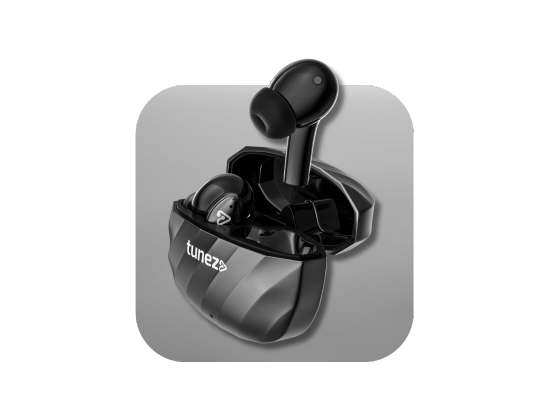
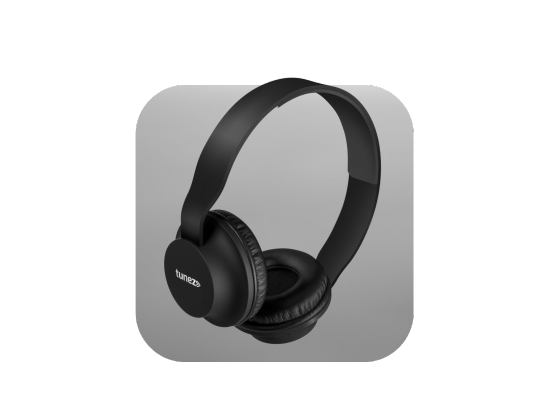
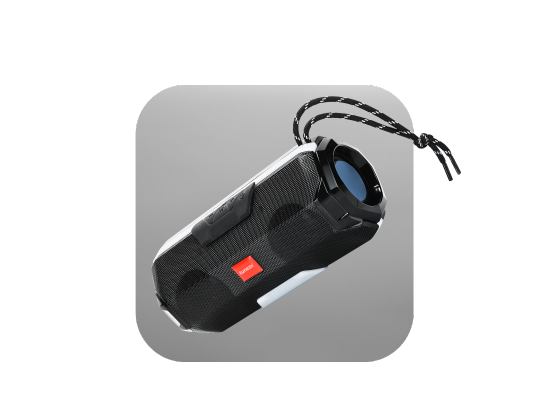






If you use earbuds or headphones while exercising, commuting, or travelling, water and dust resistance can be an important buying factor. An IP rating tells you how well an electronic device is protected against the entry of solid particles and water under defined testing conditions.
For audio devices, the most useful part of an IP rating is understanding what the numbers actually allow. IPX4, IPX5, IPX6, IPX7, IP67, and IP68 do not provide the same level of protection, so choosing the right rating depends on where and how you use your device.
What Does an IP Rating Mean?
IP stands for Ingress Protection. The rating is defined using two characters after “IP.”
For example, IP65 means:
- 6: Dust-tight protection
- 5: Protection against water jets
The first digit describes protection against solid particles, while the second describes protection against water.
If either protection category has not been specified, an X is used. For example, IPX4 provides a water-resistance rating but does not specify a dust-protection rating.
What Do the IP Numbers Mean?
First Digit: Protection From Dust and Solids
The first digit ranges from 0 to 6.
For everyday audio devices, the most relevant levels are:
- IP5X: Protected against dust in quantities that should not interfere with operation
- IP6X: Dust-tight protection
A higher first digit generally indicates stronger tested protection against solid particles.
Second Digit: Protection From Water
The second digit indicates the type of water exposure tested.
Common ratings include:
- IPX4: Protection against water splashes from any direction
- IPX5: Protection against water jets
- IPX6: Protection against powerful water jets
- IPX7: Protection against temporary immersion in water under specified test conditions
- IPX8: Protection against continuous immersion under conditions specified by the manufacturer or testing authority
These ratings should not be treated as interchangeable. For example, IPX7 immersion protection does not automatically mean the device has IPX5 or IPX6 water-jet protection.
Which IP Rating Is Suitable for Earbuds and Headphones?
The right rating depends on your environment rather than simply choosing the highest number.
For Everyday Use
An IPX4-rated device can be suitable for everyday activities where occasional splashes or light exposure to moisture are possible.
It can be useful for commuting, walking, and moderate workouts, but it should not be deliberately submerged.
For Running and Regular Workouts
For users who sweat heavily or exercise outdoors, IPX5 or IPX6 provides protection against stronger water exposure than IPX4.
However, water resistance does not mean the device should be intentionally exposed to more water than its rating specifies.
For Accidental Water Exposure
An IPX7-rated device is designed for temporary immersion under its specified test conditions. This can provide additional protection against accidental drops into water.
It should not be interpreted as permission to use ordinary earbuds for swimming or prolonged underwater listening.
For Dusty and Wet Environments
Ratings such as IP67 combine dust-tight protection with temporary immersion protection. This can be useful for users who regularly spend time in outdoor or dusty environments.
IP Rating vs Waterproof: What’s the Difference?
An IP rating describes tested protection against specific forms of ingress. It does not mean that an audio device is universally waterproof in every situation.
For example, an IPX7 device may withstand temporary immersion under specified conditions but may not be designed for:
- Swimming
- High-pressure water exposure
- Saltwater use
- Soap or cleaning chemicals
- Prolonged water exposure
Always follow the manufacturer’s usage instructions in addition to checking the IP rating.
Does an IP Rating Protect Against Sweat?
A suitable water-resistance rating can help protect an audio device from moisture encountered during exercise, but sweat is not identical to fresh water.
Sweat contains salts and other substances that can affect materials and electronic components over time. After heavy workouts, wipe the device with a soft, dry cloth and allow it to dry before placing it in a charging case.
Most importantly, never charge wet earbuds or headphones.
IP Rating Examples for Real-World Use
| Use Case | Rating to Consider | Why |
| Daily commuting | IPX4 | Protection from splashes |
| Gym workouts | IPX4 to IPX5 | Useful for sweat and light water exposure |
| Outdoor running | IPX5 or IPX6 | Greater protection against water jets |
| Accidental water drops | IPX7 | Temporary immersion protection |
| Dusty outdoor environments | IP6X or IP67 | Dust-tight protection |
| Frequent wet and dusty use | IP67 or IP68 | Combines high solid and water protection |
The table is a buying guide, not a guarantee of performance in every environment. Always check the manufacturer’s specific conditions.
What an IP Rating Does Not Tell You
An IP rating does not describe every aspect of an audio product’s durability. It does not directly tell you about:
- Drop resistance
- Scratch resistance
- Battery durability
- Sound quality
- Connector strength
- Long-term exposure to moisture
- Protection against chemicals or saltwater
This is why IP protection should be considered alongside the device’s construction, warranty, and intended use.
How to Protect Water-Resistant Audio Devices
Even a well-rated device benefits from proper care.
- Dry earbuds or headphones before storing them.
- Keep charging contacts clean and dry.
- Avoid charging a device while it is wet.
- Do not intentionally exceed its stated water protection.
- Rinse or wipe away sweat and residue according to the manufacturer’s care instructions.
- Remember that seals and protective materials can deteriorate with age and use.
If you are comparing audio devices for workouts or outdoor use, check the exact IP rating and manufacturer’s recommended usage conditions rather than relying on terms such as “waterproof” or “sweatproof” alone.
Conclusion
An IP rating provides a useful way to understand how an audio device handles dust and water exposure. IPX4 is designed for splashes, IPX5 and IPX6 provide protection against water jets, while IPX7 and IPX8 address immersion under specified conditions. Ratings such as IP67 add dust-tight protection to water resistance.
The best rating for your earbuds or headphones depends on your routine. Check the complete IP code, understand its limitations, and follow the manufacturer’s care instructions to get reliable performance over time.