









As smartphones grow more powerful and connected, the demand for smarter, faster, and safer mobile battery chargers has grown just as rapidly. Users in 2026 are no longer satisfied with ordinary charging solutions. They expect compact designs, universal compatibility, intelligent output management, and technology that adapts to their lifestyle without compromise.
The charger sitting beside your bed or in your travel bag has quietly become one of the most important accessories you own. Understanding what has changed and what to look for helps you make a smarter investment that serves you well for years ahead.
Fast Charging Has Become the New Standard
Waiting hours for a full charge is a frustration that most users are no longer willing to accept. In 2026, fast charging mobile battery chargers dominate the market because they solve one of the most common daily inconveniences, a slow power-up that keeps you tethered to a wall when you could be moving.
Advanced charging technologies like Quick Charge and Power Delivery have matured significantly. Many modern chargers can now power a smartphone to 80 percent in under 30 minutes, a performance level that was considered impressive just two years ago but is now increasingly standard.
The key difference lies in how the charger communicates with your device. Smart fast charging adapters negotiate with your phone to determine the safest and fastest charging rate, preventing overheating while maximising speed.
Universal Compatibility and Smart Output Recognition
Modern users carry multiple devices simultaneously. Phones, tablets, wireless earbuds, smartwatches, and laptops all require charging, often at different voltages and current levels.
The latest mobile battery chargers address this with smart recognition chips that identify each connected device and deliver precisely the output required. This approach does two important things. It ensures faster charging for each device by sending the correct power level, and it protects battery health by avoiding overvoltage.
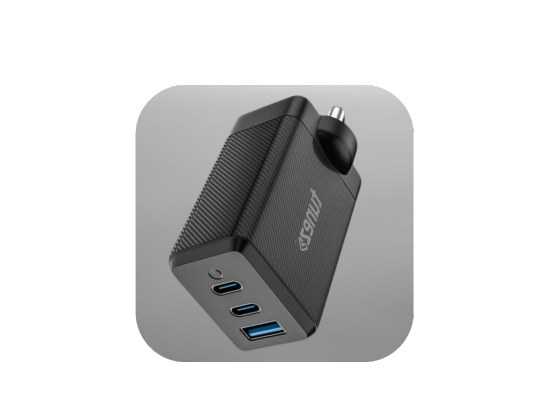
Multi-port chargers combining USB-A and USB-C outputs are now in high demand among users who want to charge everything from one compact unit.
A Practical Example Worth Noting
The Tunez C40 22.5W QC and PD Fast Mobile Charger Adaptor is a strong example of this category. Supporting both Quick Charge and Power Delivery protocols, it is compatible with most modern smartphones and gadgets. Its compact build and reliable output make it practical for daily use, travel, and office settings alike.
Compact and Travel-Friendly Designs Are Dominating
The way people work and travel has changed permanently. Hybrid work schedules, frequent travel, and mobile first lifestyles have pushed demand for chargers that are genuinely portable, not just smaller versions of older, bulkier designs.
In 2026, the best mobile battery chargers are noticeably slimmer, featuring foldable plugs that eliminate the sharp corner problem of traditional adapters and matte finishes that resist scratching.
The Tunez C40 22.5w QC+PD fast mobile charger adaptor is a clear example of this design direction. It fits easily into a jacket pocket or compact bag without adding bulk, making it genuinely convenient for professionals, students, and frequent travelers rather than just technically portable.
Energy Efficiency and Eco-Conscious Manufacturing
Sustainability has become a genuine priority in the technology accessories market. Charger manufacturers in 2026 are increasingly building products with recyclable materials and designing them to comply with evolving eco-friendly standards.
Beyond materials, energy-saving technology has improved considerably. The best mobile battery chargers now include an intelligent power cutoff that stops drawing electricity once a connected device reaches full charge. This reduces electricity waste and lowers long-term running costs, which is a genuine benefit for environmentally conscious users and those watching household energy consumption.
Safety and Protection as Core Design Priorities
Safety in charger design has moved from a secondary consideration to a primary selling point. The best mobile phone battery charger in 2026 integrates multiple protection layers as standard, not as premium features.
Overcharge protection prevents battery damage from excessive voltage. Short circuit protection safeguards both the charger and connected device from sudden surges. Overheating protection monitors internal temperatures and adjusts output to prevent dangerous heat buildup. Surge protection guards against unexpected voltage spikes from unstable power sources.
The Tunez C40 integrates all of these protections through a built-in smart chip that continuously monitors voltage and current during every charging session. This makes each session both safe and efficient, reducing long-term wear on your device batteries.
What Truly Makes a Mobile Battery Charger Future Ready
A future-ready charger combines several qualities that go beyond raw speed. It must be smart enough to handle multiple devices correctly, compact enough to travel without effort, safe enough to use without concern, and efficient enough to minimise energy waste.
In 2026, users have a wide and improving range of choices that tick all these boxes. For anyone seeking the best mobile phone battery charger for modern smartphones and gadgets, models that combine fast charging protocols with multi-device compatibility and intelligent safety features represent the strongest value.
The direction is clear. Chargers will continue to become smaller, faster, and smarter, while safety and sustainability become increasingly important factors in buying decisions.
Conclusion
Mobile battery charger technology in 2026 reflects how central smartphones and connected devices have become to daily life. Fast charging, smart compatibility, compact design, energy efficiency, and strong safety features are no longer luxury additions. They are the baseline expectations of informed buyers.
Investing in a capable, future ready mobile battery charger protects your devices, saves time, and delivers consistent performance across every charging situation. With options like the Tunez C40 combining all these qualities in an affordable package, there has never been a better time to upgrade your everyday charging setup.
FAQs About Mobile Battery Charger
1. What is the difference between Quick Charge and Power Delivery in mobile chargers?
Quick Charge is a fast charging protocol developed primarily for Qualcomm-powered Android devices, while Power Delivery is a universal standard that works across a wider range of devices including iPhones, iPads, and laptops through USB-C connections.
2. Can one mobile battery charger safely charge different devices at the same time?
Yes. Modern multi-port chargers with smart recognition chips can charge multiple devices simultaneously by detecting each device's power requirement and delivering the correct output without risk of damage.
3. Does fast charging damage smartphone batteries over time?
Quality fast charging with proper protection technology does not significantly damage batteries. Smart chargers regulate voltage and current to stay within safe limits, and most modern smartphones include their own battery management systems.
4. What wattage should a mobile battery charger have for everyday use?
For most modern smartphones, a charger with 18W to 25W output covers daily needs efficiently. For users who also charge tablets or laptops, a 45W to 65W charger with Power Delivery support provides better versatility.
5. Are foldable plug chargers as durable as fixed plug models?
Quality foldable plug chargers are built with reinforced hinge mechanisms that handle thousands of folding cycles. Reputable brands like Tunez engineer these to the same durability standards as fixed designs.
6. How do I know if my charger is compatible with my smartphone?
Check whether the charger supports your phone's charging protocol. Most modern chargers with USB-C Power Delivery work across Android and iPhone devices, but checking the wattage compatibility ensures optimal speed.
7. What makes a mobile charger eco-friendly in 2026?
Eco-friendly chargers use recyclable or sustainably sourced materials, comply with energy efficiency certifications, and include automatic power cutoff to prevent electricity waste after charging completes.
8. Is the Tunez C40 suitable for charging laptops?
The Tunez C40 delivers up to 22.5W output, which is suitable for smartphones and tablets. For laptop charging, a higher wattage model in the 45W to 65W range with full Power Delivery support would be more appropriate.
9. Can I use a fast charging adapter with a slow charging cable?
Yes, but the charging speed will be limited by the cable's capability. For full fast charging performance, always pair a fast charging adapter with a cable rated for the same charging standard and wattage.
10. How long does a quality mobile battery charger typically last?
A well-built mobile battery charger from a reputable brand typically lasts three to five years of regular use. Longevity depends on build quality, proper use, and avoiding exposure to extreme temperatures or moisture.
11. What is the advantage of a GaN charger over a standard mobile charger?
GaN chargers use Gallium Nitride technology instead of traditional silicon, allowing faster energy transfer with significantly less heat generation. This results in smaller, more efficient chargers that can deliver high wattage in a compact form.
12. Do smart chargers work with older smartphones that do not support fast charging?
Yes. Smart chargers detect the device's maximum supported charging rate and adjust output accordingly. An older phone receives standard charging safely without any risk of damage.
13. Should I unplug my charger from the wall when not in use?
Yes. Chargers left plugged in without a connected device continue to draw small amounts of standby power. Unplugging them when not in use reduces energy waste and extends charger lifespan.
14. What should I look for when buying a mobile charger for travel?
For travel, prioritize compact size with foldable plugs, universal voltage compatibility from 100V to 240V, multi-port output, fast charging support, and built-in safety protections.
15. Are there mobile chargers that work with both USB-A and USB-C devices simultaneously?
Yes. Many modern multi-port chargers include both USB-A and USB-C ports, allowing you to charge older and newer devices at the same time from a single adapter.