





Every song you stream, every video you watch, and every podcast you play starts as digital data. These files are made of numbers, not sound waves, even though they feel musical to us. This is where a small but powerful component called a DAC comes into play.
Many people enjoy music without ever realizing that a DAC is working behind the scenes. Whether you use a smartphone, laptop, or music player, a DAC is quietly translating data into sound you can actually hear.
Understanding what a DAC does can help you make better audio choices, especially if you care about clarity, detail, and a more natural listening experience.
What Is A DAC In Audio
A DAC, or Digital to Analog Converter, is an electronic component that converts digital audio data into an analog signal. Digital music exists as zeros and ones, but speakers and headphones can only play analog signals.
Without this conversion, your music would remain silent, no matter how advanced your device is. The DAC acts as a bridge between your digital files and your ears, transforming code into smooth electrical signals.
In simple terms, the DAC takes stored digital information and turns it into a waveform that drives your speakers, creating the sound you hear.
How A DAC Works In Simple Terms
When you press play on a song, your device reads the digital file stored in memory or streamed online. This data represents sound in tiny steps rather than a continuous wave.
The DAC reads those steps and reconstructs them into a flowing analog signal. The more accurately this process happens, the closer the sound feels to the original recording. That analog signal is then sent to your headphones or speakers, causing them to vibrate and produce sound waves that your ears recognize as music or voice.
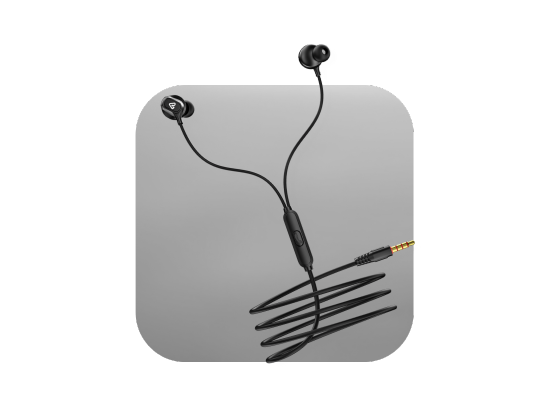
Buy top quality wired earphones under 500 and experience rich bass and sharp vocals without overspending making them perfect for travel music or study sessions.
Why A DAC Is Essential for Audio Playback
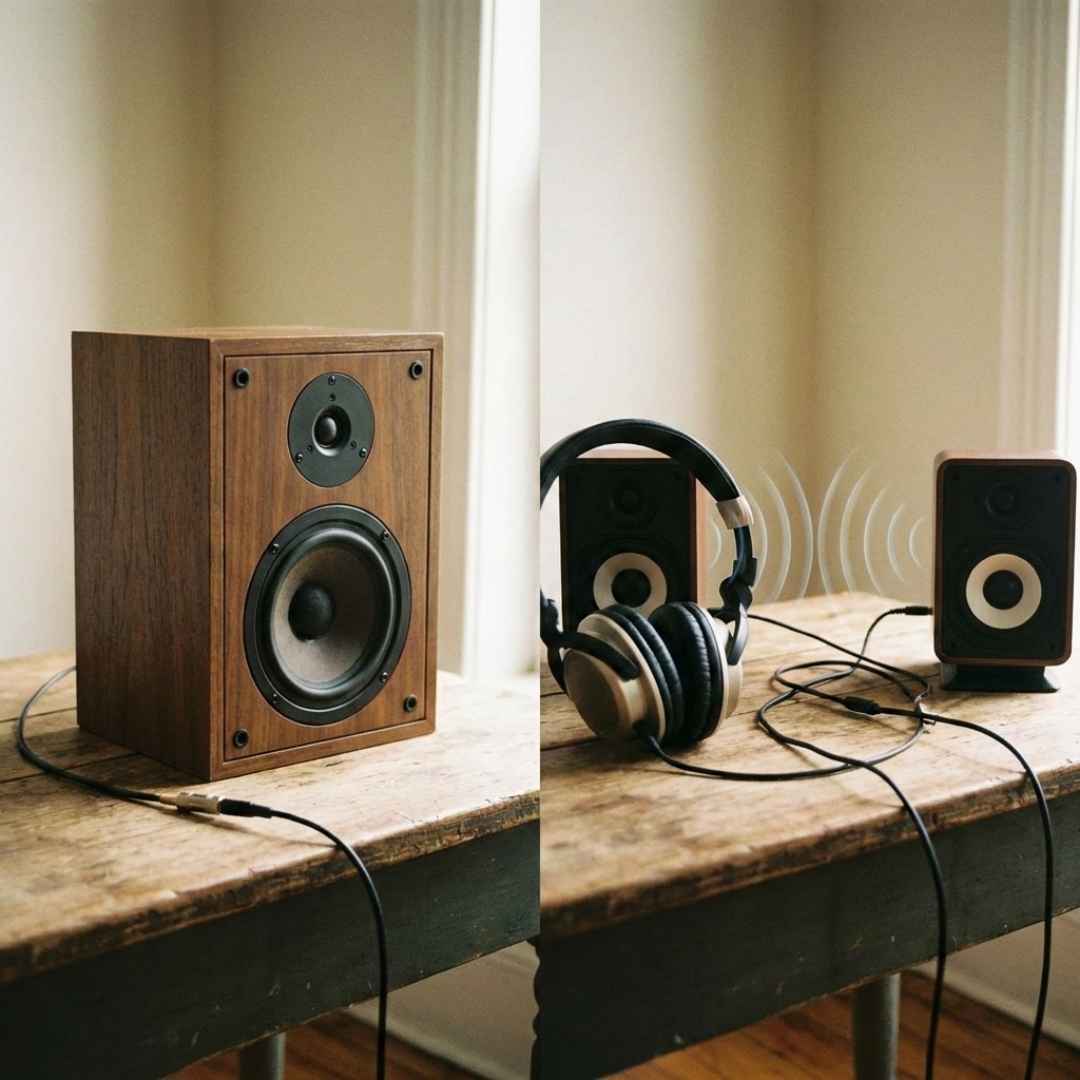
A DAC is not optional in digital audio systems; it is required. Speakers and headphones cannot directly interpret digital data, which makes the DAC a fundamental part of any audio chain.
Every device that plays digital sound has some form of DAC in audio, whether it is built into a phone, laptop, television, or car stereo. Without it, digital music would never reach your ears.
The difference lies in quality. While all DACs perform the same basic task, not all of them do it with the same level of accuracy or refinement.
Built-In DAC Vs External DAC
Most smartphones and laptops come with built-in DACs designed for convenience and power efficiency. These work well for casual listening, video calls, and compressed audio files.
However, built in DACs are often limited by space, cost, and electrical noise inside the device. This can affect clarity and detail, especially with good quality headphones.
An external DAC focuses only on sound conversion. By handling this task separately, it often delivers cleaner audio, better dynamics, and improved detail compared to basic internal DACs.
How A DAC Improves Sound Quality
A better DAC can make music feel more open and natural. Instruments sound better separated, vocals feel more lifelike, and subtle details become easier to notice.
This improvement is most noticeable when using good headphones or speakers. High-quality audio equipment reveals the limitations of basic DACs more clearly. For listeners who enjoy lossless music or high-resolution streaming, a capable DAC helps unlock the full potential of the recording.
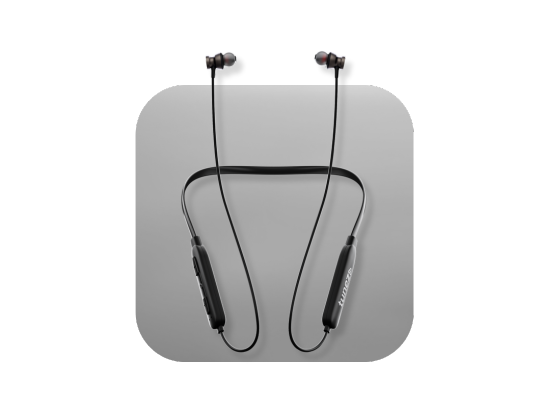
Buy wireless neckbands for seamless audio performance combining clear sound deep bass and long battery life for an all day listening experience you will love.
Where You Find DACs In Everyday Devices
You already use multiple DACs every day without realizing it. Smartphones, laptops, gaming consoles, smart TVs, and car audio systems all rely on DACs.
Some devices use simple DACs for efficiency, while others use more advanced designs for better sound performance. External DACs are also available for users who want higher-quality audio. No matter the form, the role of the DAC remains the same, turning digital data into sound you can hear and feel.
Who Should Consider A Dedicated DAC
If you mostly listen to compressed music on basic earphones, a dedicated DAC may not feel essential. Built-in DACs are usually sufficient for casual use.
However, if you use quality headphones, enjoy lossless music, or notice distortion and lack of detail, an external DAC can be a meaningful upgrade. Music lovers, gamers, and anyone who values sound clarity often benefit the most from using a dedicated DAC.
Conclusion
Understanding DAC in audio helps explain how digital music becomes real sound. It is a crucial component that works quietly behind every listening experience.
While every device includes a DAC, the quality of conversion can vary greatly. Choosing the right DAC can improve clarity, detail, and overall enjoyment. For anyone who values good sound, learning about DACs is a simple step toward better audio experiences.
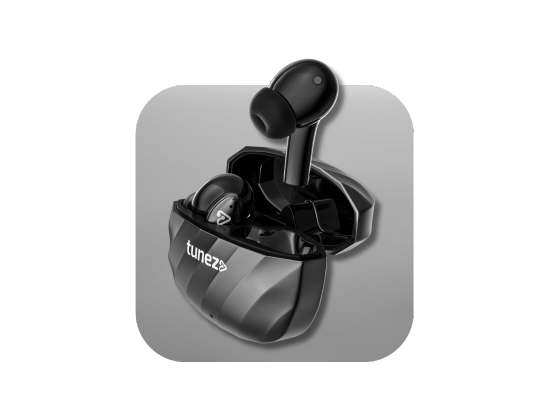
Shop true wireless earbuds with premium sound deep bass and noise isolation that bring you complete freedom and comfort for music calls and gaming anywhere.