






When you listen to music through headphones, a tiny component inside them does the real work of producing sound. This crucial component is called the headphone driver, and it is responsible for converting electrical signals into the music you hear.
Whether you enjoy powerful bass, clear vocals, or detailed highs, understanding how headphone drivers work can help you choose the right audio device for your listening style.
If you are planning to buy headphones, wireless earbuds, or wired earphones, knowing about drivers will help you make a smarter decision.
What Is a Headphone Driver?
A headphone driver is the internal component that converts electrical audio signals into sound waves. In simple terms, it works like a miniature loudspeaker placed inside your headphones or earbuds.
When an audio signal reaches the driver, it causes a thin diaphragm to vibrate. These vibrations push air to create the sound waves that travel into your ears.
Every type of headphone, earphone, or wireless earbud relies on drivers to produce sound, although the technology and quality can vary.
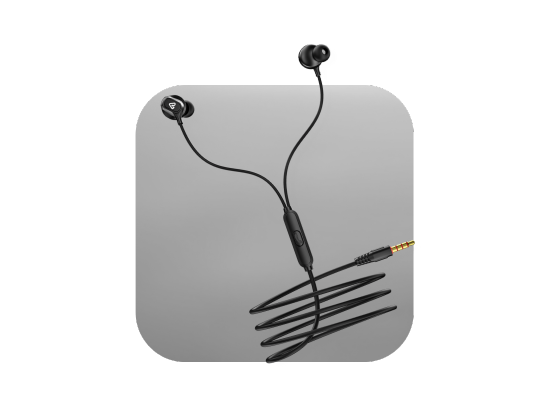
If you are looking for budget friendly audio, explore wired earphones under 500 that combine durability with good sound performance.
How a Headphone Driver Works
Although headphone technology may look complex, the process of producing sound is actually simple.
Signal to Motion
An electrical audio signal travels from your device to the voice coil inside the headphone driver. This signal carries the music or audio information.
Electromagnetic Interaction
The voice coil interacts with a permanent magnet, generating a magnetic force that moves the coil and diaphragm rapidly.
Sound Creation
As the diaphragm vibrates, it pushes air and produces sound waves. These sound waves reach your ears as music, vocals, or audio effects.
Key Components Inside a Headphone Driver
Every headphone driver unit consists of three important parts that work together to create sound.
Magnet
Creates a stable magnetic field required for driver movement.
Voice Coil
Receives electrical signals and converts them into mechanical motion.
Diaphragm
A thin membrane that vibrates to produce audible sound waves.
The quality of these components strongly influences sound clarity, bass response, and overall audio balance.
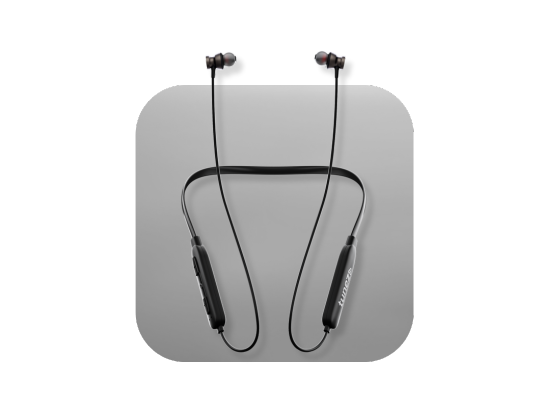
For comfortable everyday listening, many users prefer wireless neckbands that provide stable connectivity and clear sound for music and calls.
Types of Headphone Drivers
Different headphones use different driver technologies depending on their design and sound goals.
Dynamic Drivers
Dynamic drivers are the most commonly used in headphones and earbuds. They are affordable, durable, and capable of delivering strong bass with balanced sound.
Most consumer headphones and wireless earbuds use this type of driver because it offers good performance at a reasonable cost.
Planar Magnetic Drivers
Planar magnetic drivers use a thin diaphragm embedded with conductive material placed between magnetic fields.
This design delivers extremely accurate, detailed, and distortion-free sound, making it popular among audiophiles.
Electrostatic Drivers
Electrostatic drivers use electrically charged diaphragms suspended between plates to produce sound.
They offer exceptional clarity and detail but are usually expensive and require specialized amplifiers.
Balanced Armature Drivers
Balanced armature drivers are small and highly efficient, commonly used in in-ear monitors and premium earbuds.
They focus on delivering precise mids and highs, and many premium earphones combine them with dynamic drivers for a hybrid sound experience.
Does Driver Size Affect Sound Quality?
Driver size is often mentioned when comparing headphones, but bigger drivers do not always guarantee better sound.
40mm drivers
Common in everyday headphones, they offer a balanced combination of bass and clarity.
50mm drivers
Move more air and usually deliver stronger bass and louder sound.
60mm drivers
Typically found in studio or high-end headphones where deeper sound and higher power handling are required.
However, tuning, materials, and driver design play a bigger role in determining overall sound quality.
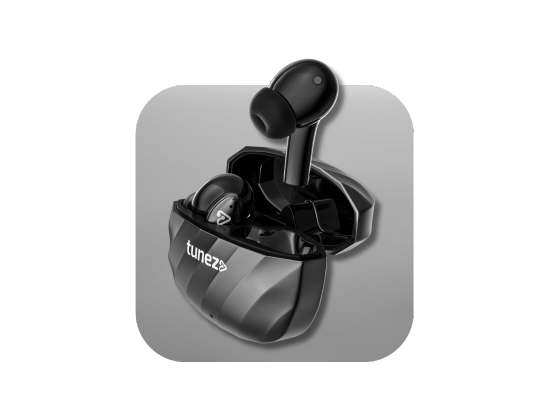
If you prefer compact audio devices, consider true wireless earbuds that offer convenience with impressive sound performance.
What Are Dual Driver Headphones?
Dual driver headphones contain two drivers in each ear instead of one.
Each driver handles a specific frequency range, such as bass or mids. This separation helps produce:
- Clearer vocals
- Stronger bass
- Better sound separation
Many premium earbuds and in-ear monitors use multiple drivers to improve audio detail and balance.
How to Choose the Right Headphone Driver
Choosing the right driver depends on your listening habits and audio preferences.
For everyday listening
Dynamic drivers provide good sound quality and affordability.
For detailed and accurate sound
Planar magnetic or hybrid driver setups perform better.
For bass-heavy music
Larger drivers or dual-driver headphones can deliver deeper bass response.
Understanding headphone drivers allows you to choose audio devices based on sound performance rather than just brand or appearance.
Conclusion
The headphone driver is the heart of every audio device. It determines how music sounds, how clear vocals feel, and how immersive your listening experience becomes.
By understanding driver types, sizes, and technologies, you can make a better choice when buying headphones, earbuds, or speakers.
Whether you prefer powerful bass or detailed sound, choosing the right driver ensures a more enjoyable listening experience.
If you enjoy powerful portable sound, explore Bluetooth speakers that deliver deep bass, clear highs, and durable designs for everyday use.