








A power bank is a portable rechargeable battery that stores electrical energy and supplies it to devices such as smartphones, tablets, earbuds, headphones and other compatible electronics. It is especially useful when you are travelling, commuting, outdoors or somewhere without convenient access to a wall outlet.
Unlike a regular charger, a power bank stores energy first and lets you use that stored power later. This makes it a practical backup when your device battery is running low.
How Does a Power Bank Work?
A power bank works through an internal rechargeable battery and an electronic control circuit. When connected to a wall charger, it stores electrical energy inside its battery. When you connect another device, the circuit controls the power delivered through the output port.
The basic process is simple:
- Connect the power bank to a compatible charger.
- The internal battery stores electrical energy.
- Connect your phone or another device using a suitable cable.
- The power bank transfers energy to the connected device.
Some models also support wireless charging, allowing compatible phones and accessories to charge without a cable.
What Are Power Banks Used For?
Power banks are mainly used as portable backup power. They can be helpful in several everyday situations.
Travel and Commuting
Long journeys can quickly drain a smartphone battery, particularly when using navigation, mobile data, video or other power intensive features. A charged power bank provides an additional source of power when a wall outlet is unavailable.
Outdoor Activities
Camping, hiking and other outdoor activities may take you away from regular charging facilities. A suitable power bank can help keep essential devices powered for longer.
Power Outages
During unexpected power cuts, a charged power bank can provide temporary backup for phones and other small USB-powered devices.
Everyday Backup
Even during normal daily use, carrying a power bank can be useful when your phone battery reaches a low level before you get home or reach a charging point.
How Do You Choose the Right Power Bank?
The right model depends on your device, how often you need extra power and how much portability matters to you.
Check the Capacity
Capacity is commonly measured in milliampere hours, or mAh. A higher capacity generally means more stored energy, although the actual amount of energy available to your device is lower than the stated battery capacity because some energy is lost during conversion and charging.
For occasional phone backup, a lower capacity model may be sufficient. If you regularly charge multiple devices, a higher capacity model can be more practical.
Check the Charging Speed
Charging speed depends on the power bank output and the charging standards supported by your device. If your phone supports fast charging, choose a power bank that supports a compatible fast charging technology and sufficient output.
A higher wattage rating does not automatically mean every connected device will charge at that speed. The device, cable and power bank all need to support the required charging standard.
Consider the Ports
Check which ports are available before buying. USB-C is increasingly common, while some models also include USB-A outputs. Multiple ports can be useful when you need to charge more than one compatible device.
Consider Size and Weight
A large capacity power bank usually needs a larger battery, which can increase its size and weight. If you carry it every day, choosing a balance between capacity and portability can make it more convenient.
Can a Power Bank Charge Multiple Devices?
Yes. Many power banks include two or more output ports, allowing multiple compatible devices to be connected at the same time. However, the available power may be divided between the connected devices.
Before using multiple ports simultaneously, check the manufacturer’s stated total output and the requirements of your devices.
Can a Power Bank Charge Earbuds and Speakers?
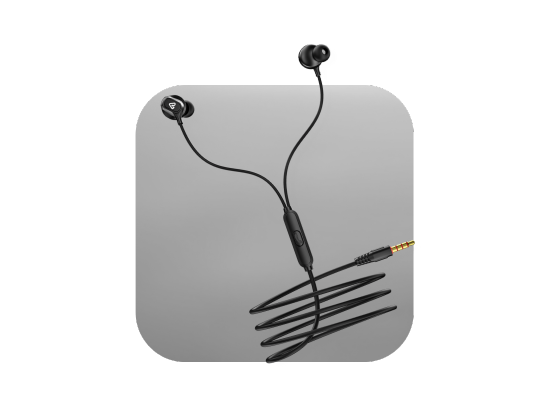
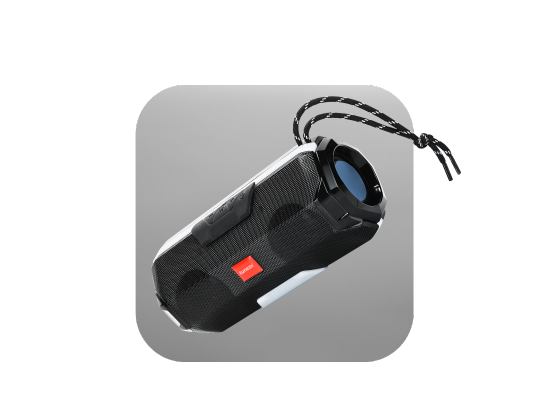
Yes. Most Bluetooth earbuds, headphones and speakers that use USB charging can be charged from a compatible power bank. This is particularly useful during travel when you need to keep several small devices powered.
Always use a suitable cable and make sure the output is compatible with the device being charged.
How Many Times Can a Power Bank Charge a Phone?
There is no single answer because charging efficiency varies between power banks and devices. A simple estimate can be made by comparing the power bank capacity with your phone battery capacity, but the real result will be lower because energy is lost during voltage conversion and charging.
For example, a power bank with a larger stated capacity does not necessarily provide an equivalent number of complete phone charges.
Is It Safe to Use a Power Bank?
A good quality power bank should include appropriate protection against issues such as overcharging, overheating, short circuits and excessive current. However, safe use also depends on the condition and quality of the product.
Avoid using a power bank that is swollen, physically damaged, unusually hot or showing other signs of battery failure. Use compatible charging accessories and follow the manufacturer’s instructions.
Power Bank vs Wall Charger
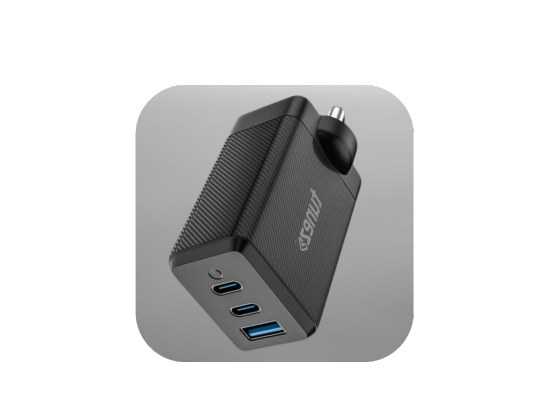
A wall charger needs access to an electrical outlet while a power bank stores energy for later use. A wall charger is generally more suitable when an outlet is available, while a power bank is useful when you need portable backup power.
For many people, carrying both provides greater flexibility for everyday charging.
Conclusion
A power bank is a convenient way to keep compatible electronic devices running when a regular power outlet is not available. When choosing one, focus on capacity, charging speed, ports, compatibility, size and safety features rather than looking at capacity alone.
For regular travel or everyday backup, selecting a reliable model that matches your devices and charging requirements can make portable charging much more convenient.
Frequently Asked Questions
1. What is a power bank used for?
A power bank stores electrical energy and uses that stored power to charge compatible electronic devices when a wall outlet is unavailable.
2. How long does a power bank take to charge?
Charging time depends on its battery capacity, input power and charger. Larger capacity models generally take longer to recharge.
3. Can I charge my phone and earbuds together?
Yes, if the power bank has multiple compatible outputs and provides sufficient power for both devices.
4. Can I carry a power bank while travelling?
Power banks can generally be carried during travel, but airlines may have specific rules regarding battery capacity and where spare lithium batteries can be carried. Check the current rules of your airline before travelling.
5. Does a higher mAh rating mean faster charging?
No. Capacity and charging speed are different specifications. mAh indicates stored battery capacity, while charging speed depends on factors such as output power and supported charging technology.
6. Can a power bank charge a laptop?
Some high-capacity power banks can charge compatible laptops, particularly models supporting USB-C Power Delivery. Check the laptop’s charging requirements and the power bank’s output specifications before connecting them.
7. Can a power bank charge a phone wirelessly?
Some power banks include a wireless charging surface. Wireless charging works only with compatible devices and generally requires the phone to support the relevant wireless charging standard.
8. Can I use a power bank while it is charging?
Some models support charging themselves while powering another device. However, this feature depends on the product design, so check the manufacturer’s instructions before relying on it.
9. How do I know when a power bank needs charging?
Many models use LED indicators or a digital display to show the remaining battery level. The exact indication method varies between models.
10. Does the cable affect charging performance?
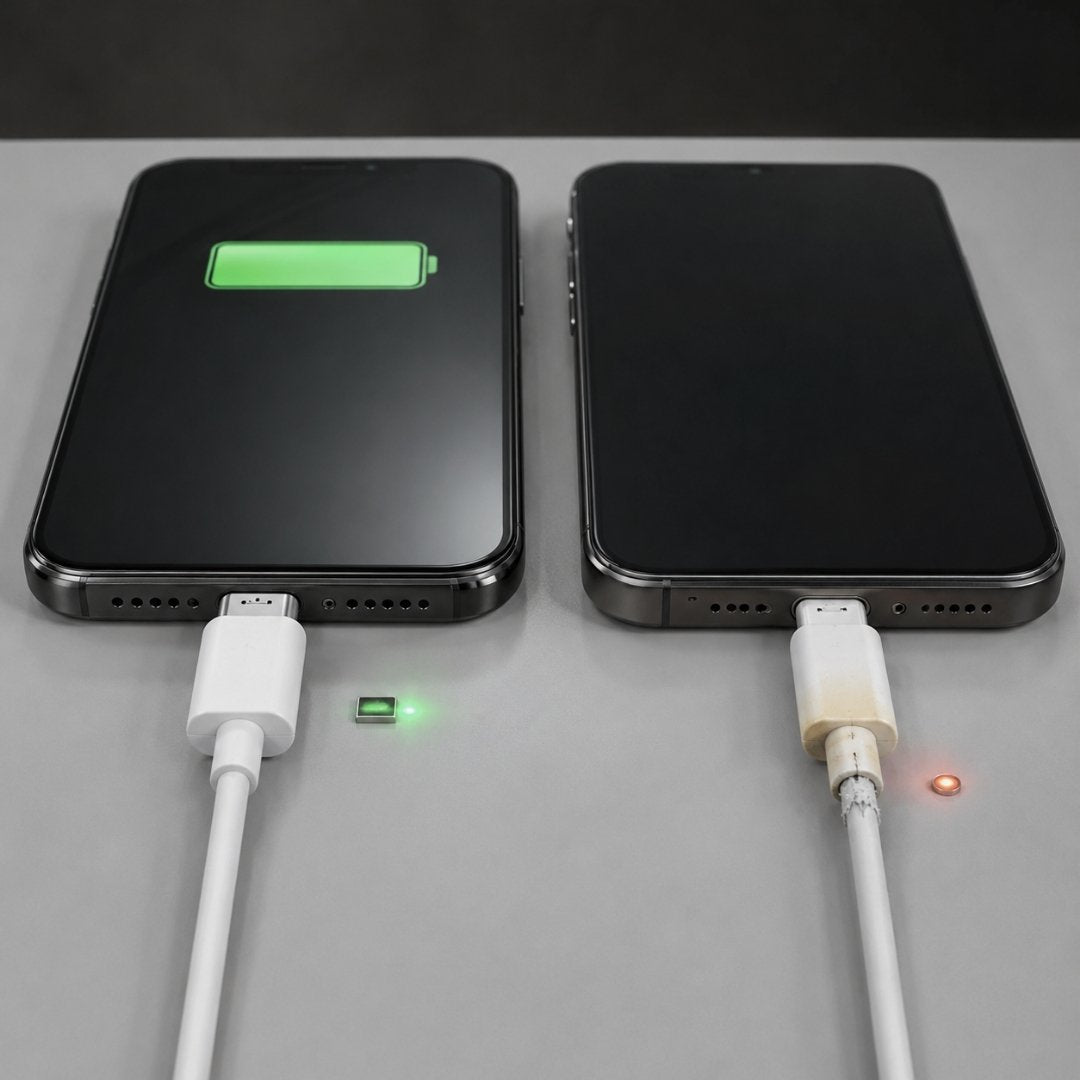
Yes. The cable must support the required charging power and standard. Using an unsuitable or poor-quality cable can limit charging performance even when the power bank and device support faster charging.