





The way we listen to music has changed dramatically over the years. From CDs and MP3 files to streaming platforms and wireless headphones, audio technology has become more accessible than ever. Along with these advancements, one term has gained significant attention among music enthusiasts and audiophiles: what is high-resolution audio?
Unlike standard digital audio, which often sacrifices sound information to reduce file size, high quality audio formats preserve far more of the original recording. This allows listeners to hear greater detail, improved clarity, and a listening experience that closely reflects what artists and sound engineers intended in the recording studio.
Whether you enjoy music during your daily commute, watch movies at home, or simply appreciate excellent sound quality, understanding this technology can help you make informed decisions when choosing music services, headphones, speakers, or other audio equipment.
This guide explains everything you need to know about Hi-Res Audio, including how it works, why it sounds better, the file formats it uses, and the equipment needed to enjoy its full potential.
What Is High-Resolution Audio?
High-resolution audio refers to digital audio that captures and reproduces more sound information than traditional CD-quality audio.
To understand this better, it helps to know that every digital recording is created by converting an original analogue sound wave into digital data. The more accurately this conversion happens, the closer the playback remains to the original studio recording.
Standard CDs use a resolution of 16 bit and 44.1 kHz, while most high quality recordings use 24 bit and 96 kHz or even 24 bit and 192 kHz. This increase allows significantly more audio information to be preserved throughout the recording.
As a result, listeners often experience:
- Better instrument separation
- Greater vocal clarity
- Improved dynamic range
- More natural sound reproduction
- Enhanced detail across the entire frequency range
Rather than making music louder, this technology focuses on making it more realistic.
Why Audio Resolution Matters
Every digital audio file contains thousands of tiny samples that recreate the original sound wave.
The more samples captured and the greater the amount of information stored in each sample, the more accurately music can be reproduced.
This explains why professionally mastered recordings often sound richer and more lifelike than heavily compressed music files.
Greater audio resolution becomes especially noticeable when listening through quality headphones or speakers capable of revealing subtle musical details.
Understanding Bit Depth
Bit depth determines how much information is stored for every audio sample.
A higher bit depth increases the available dynamic range, allowing recordings to reproduce both extremely quiet and very loud sounds with greater precision.
Common bit depths
| Bit Depth | Typical Use |
| 16 bit | Compact Disc audio |
| 24 bit | Professional recording and studio masters |
| 32 bit | Advanced recording and production workflows |
Moving from 16-bit to 24-bit allows recordings to preserve far more subtle details, helping instruments and vocals sound cleaner and more natural.
Understanding Sample Rate
Sample rate represents how many times each second an analog sound wave is measured during digital recording.
The more frequently the waveform is sampled, the more accurately the digital version reflects the original performance.
Common sampling rates
| Sample Rate | Typical Usage |
| 44.1 kHz | Compact Disc |
| 48 kHz | Video production |
| 88.2 kHz | Professional recording |
| 96 kHz | Studio quality music |
| 192 kHz | Premium studio masters |
Higher sampling rates help capture more detail and improve overall audio accuracy, especially in complex musical passages.
How High-Quality Audio Differs From Standard Audio
Many people wonder whether the difference is actually noticeable.
The answer depends on several factors, including the recording quality, playback equipment, and listening environment.
Compared to compressed audio formats, recordings with higher resolution often provide:
- Cleaner vocals
- More detailed instruments
- Better bass definition
- Wider soundstage
- Greater depth
- Reduced distortion at higher listening levels
Instead of sounding artificially enhanced, music feels more open and closer to a live performance.
Common High-Quality Audio File Formats
Several file formats are capable of preserving studio-quality recordings.
Each offers different advantages depending on storage requirements and device compatibility.
FLAC
FLAC is one of the most popular formats because it compresses files without losing audio information.
It offers excellent sound quality while using significantly less storage than completely uncompressed files.
Many music streaming platforms and portable music players support FLAC, making it one of the preferred choices for music enthusiasts.
ALAC
ALAC is Apple's lossless audio format.
It provides audio quality similar to FLAC while integrating seamlessly with Apple devices and services.
Users of Apple Music and other Apple products often encounter this format when streaming or downloading lossless music.
WAV
WAV files store audio without compression.
Because no information is removed, they preserve the original recording exactly as it was captured.
The trade off is much larger file sizes, making WAV more common in professional recording studios than everyday music libraries.
AIFF
AIFF offers another uncompressed format widely used within professional production environments.
Like WAV, it delivers outstanding sound quality but requires substantial storage space.
High Quality Audio Versus MP3
The biggest difference between modern lossless formats and MP3 lies in data preservation.
MP3 reduces file size by permanently removing portions of the original recording that are considered less noticeable to human hearing.
While this creates much smaller files, some musical detail is inevitably lost.
By contrast, hi-res audio preserves significantly more information, allowing listeners to hear subtle instrument textures, room ambience, and vocal nuances that compressed formats may fail to reproduce.
For casual listening on basic earbuds, the difference may be less obvious.
However, with quality playback equipment, the improvements in clarity, balance, and realism become much easier to appreciate.
Do You Need Special Equipment to Enjoy High-Quality Audio?
Having a high-quality audio file is only one part of the listening experience. Every device in the playback chain should be capable of handling the additional audio information.
The better the recording and playback equipment work together, the more accurately you will hear the original studio performance.
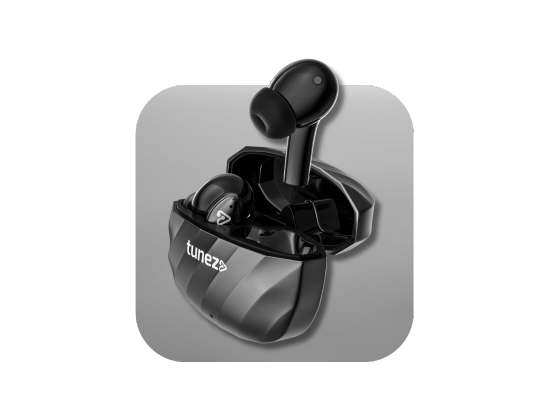
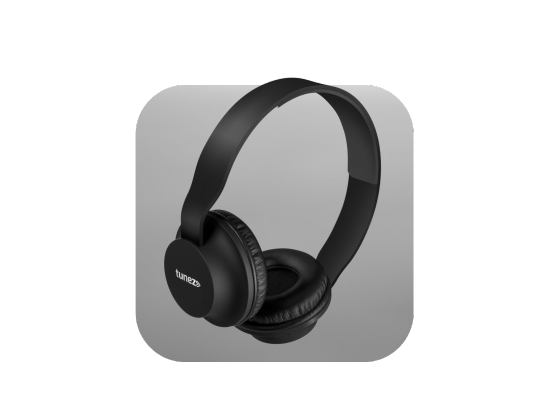
Compatible Headphones
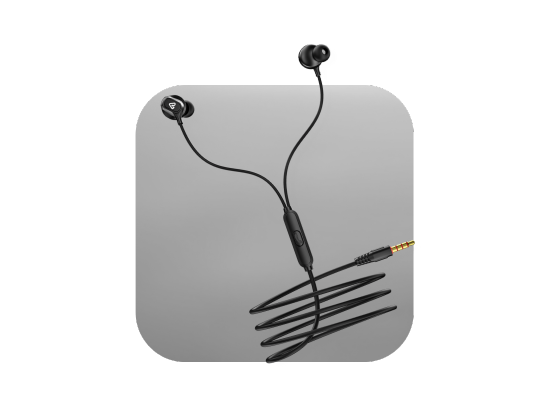
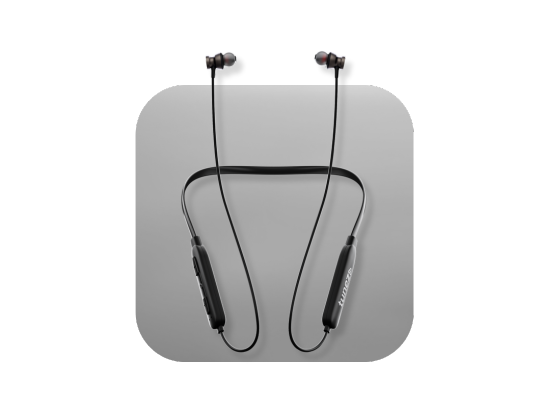
Not every pair of headphones is designed to reproduce the full detail available in high-quality recordings.
Models that support hi-res audio generally feature drivers capable of reproducing a wider frequency range with greater accuracy. This allows listeners to notice finer instrument separation, clearer vocals, and a more natural sound.
Quality Speakers
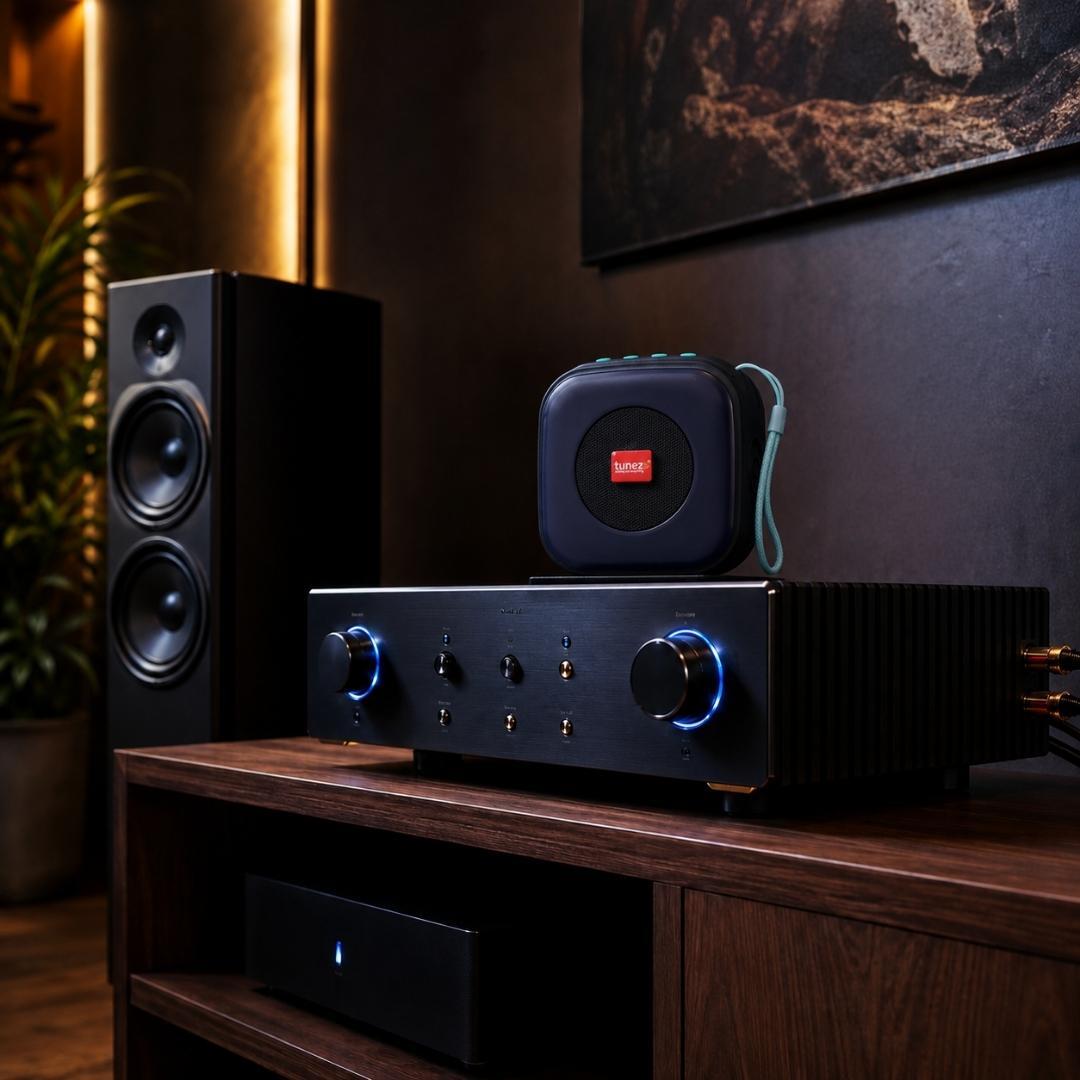
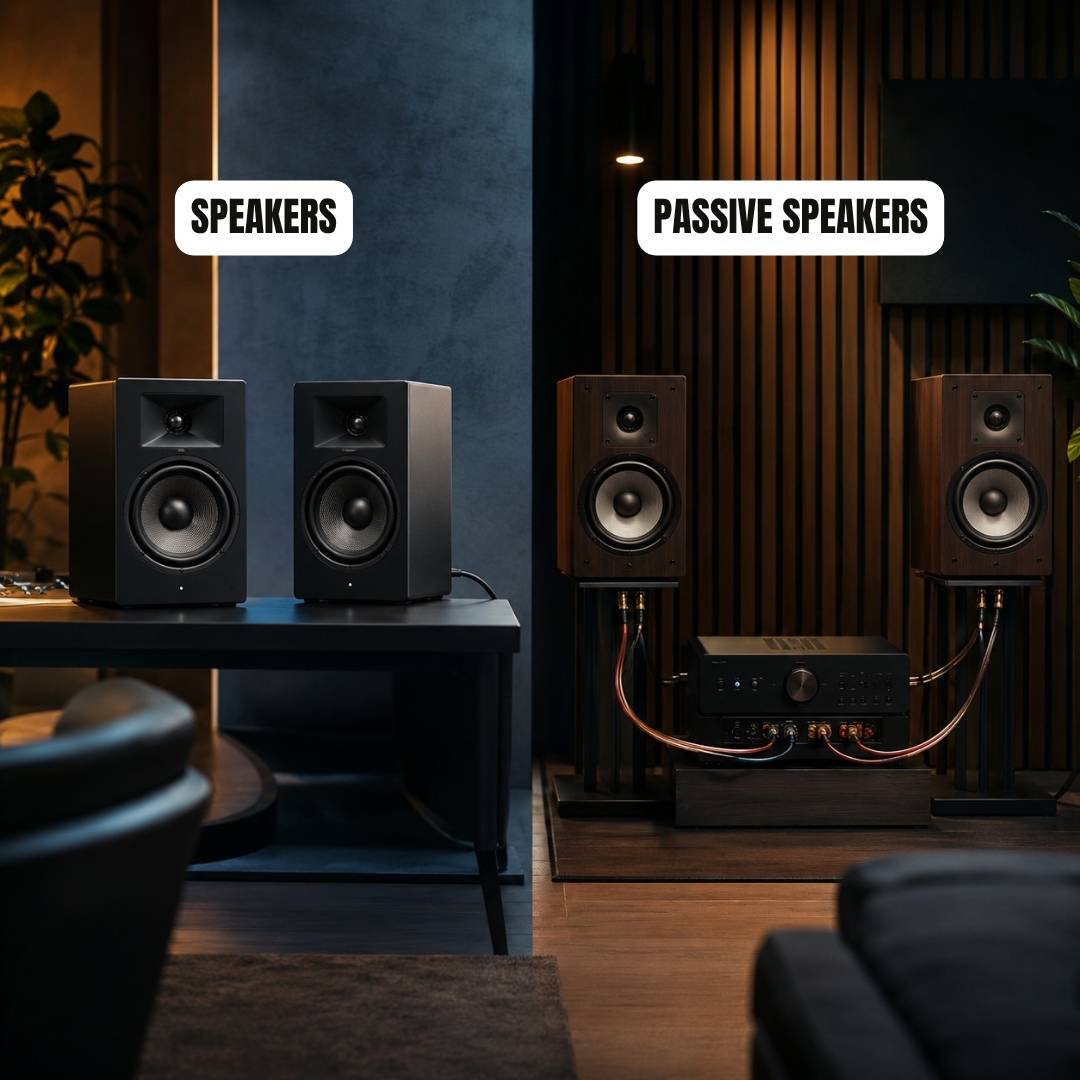
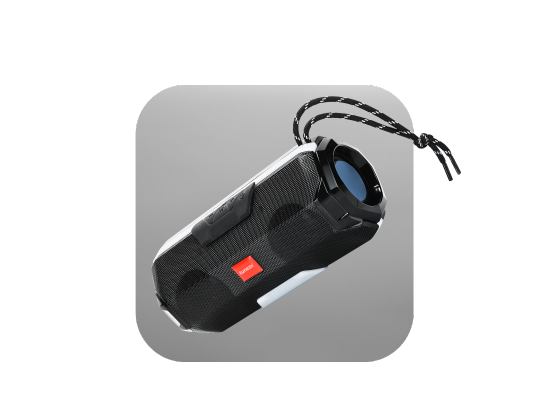
Speakers also play an important role. Well-engineered bookshelf speakers, floor-standing speakers, and premium wireless speakers can reproduce subtle musical details that basic speakers may struggle to deliver.
Digital to Analogue Converter
Digital music must eventually be converted into an analogue signal before reaching your ears.
This conversion is performed by a Digital to Analog Converter, commonly known as a DAC.
While smartphones, laptops, and computers already include built-in DACs, dedicated external DACs are often capable of producing cleaner audio with less distortion and improved detail, particularly when paired with premium headphones.
Can Bluetooth Deliver Studio-Quality Sound?
Wireless listening has become incredibly convenient, but Bluetooth still introduces certain limitations.
Traditional Bluetooth codecs compress audio during transmission to maintain a stable wireless connection.
As a result, some audio information may be reduced before reaching your headphones or speakers.
However, newer Bluetooth technologies have significantly improved wireless sound quality.
Some of the most advanced codecs include:
- LDAC
- aptX Adaptive
- LHDC
These codecs are capable of transmitting much higher quality audio than standard Bluetooth, although wired connections still provide the most reliable way to experience every detail contained in studio quality recordings.
Where Can You Listen to High-Quality Music?
Today, enjoying premium music quality is easier than ever.
Several popular streaming services offer extensive libraries containing millions of songs in lossless or high-quality formats.
Some of the most popular platforms include:
- Apple Music
- TIDAL
- Amazon Music
- Qobuz
These services allow listeners to stream studio-quality recordings without purchasing individual albums, provided they have compatible playback equipment and a stable internet connection.
Is High-Quality Audio Worth It?
Whether upgrading is worthwhile depends on your listening habits.
If you mainly listen to music while commuting using entry-level earbuds, the improvements may not always be immediately noticeable.
However, listeners using quality headphones, home speakers, or dedicated music systems often appreciate the increased detail and realism.
Benefits commonly include:
- Better instrument separation
- Cleaner vocals
- More accurate bass response
- Improved dynamic range
- Greater depth and realism
- Reduced listening fatigue during extended sessions
Rather than changing the music itself, higher-quality recordings simply reveal more of what was originally captured in the studio.
Common Misconceptions About High-Quality Audio
Many myths surround modern digital audio formats.
Let's clarify some of the most common ones.
Bigger File Size Always Means Better Sound
Not necessarily.
Recording quality, mastering, playback equipment, and source material all influence the final listening experience.
A poorly mastered file with a high resolution may still sound inferior to an expertly mastered standard recording.
Expensive Headphones Automatically Improve Everything
Premium headphones can reveal more detail, but they cannot restore information that has already been removed from heavily compressed music files.
The entire playback chain should work together for the best results.
Everyone Hears the Same Difference
Hearing varies from person to person.
Factors such as age, listening experience, hearing sensitivity, and equipment all influence how noticeable the improvements may be.
Tips for Getting the Best Listening Experience
If you want to enjoy premium digital music, consider these practical recommendations.
- Choose music recorded from high-quality studio masters.
- Use compatible headphones or speakers.
- Listen in a quiet environment whenever possible.
- Use a dedicated DAC if your source device has limited audio performance.
- Stream from services that support lossless or studio-quality playback.
- Whenever practical, use wired connections for maximum audio fidelity.
Small improvements across each part of your audio setup often produce a more noticeable difference than upgrading a single component.
How to Know If High-Quality Audio Is Right for You
There is no single answer that applies to everyone.
If you enjoy discovering subtle details within music, appreciate realistic vocals, or frequently listen through premium audio equipment, upgrading can be a worthwhile investment.
For casual listeners using basic playback devices, standard audio quality may already provide a satisfying experience.
Ultimately, the best choice depends on your listening preferences, equipment, and expectations rather than technical specifications alone.
Conclusion
Modern music technology has made studio-quality listening more accessible than ever before. Thanks to improved recording techniques, faster internet speeds, and widespread support across streaming services and audio devices, listeners can now experience music with exceptional clarity and realism.
Although file quality plays an important role, the overall listening experience also depends on compatible playback equipment, quality recordings, and the environment in which you listen. When these elements come together, the result is a richer and more immersive musical experience that captures the emotion and detail intended by the artist.
Whether you are a casual listener exploring better sound or an enthusiast building a premium audio setup, understanding how high-resolution audio works helps you make informed decisions when choosing music services, headphones, speakers, and playback devices.
FAQs About High-Resolution Audio
1. What makes high-quality audio different from CD quality?
Standard CDs use 16 bit and 44.1 kHz audio, while higher quality recordings commonly use 24 bit and sampling rates of 96 kHz or 192 kHz, preserving more detail and dynamic range.
2. Is lossless audio the same as studio-quality audio?
Lossless audio preserves the original recording without discarding information. Studio-quality recordings usually combine lossless compression with higher bit depth and sampling rates.
3. Can I hear the difference between MP3 and studio-quality recordings?
Many listeners notice improved clarity, wider soundstage, and better instrument separation when using quality playback equipment in a quiet environment.
4. Do I need special headphones?
Compatible headphones capable of reproducing a wider frequency range can help reveal the additional detail contained in premium recordings.
5. Do smartphones support premium digital audio?
Many modern smartphones support high-quality playback. Some devices may benefit from an external DAC for the best possible sound quality.
6. Is Bluetooth suitable for studio-quality listening?
Modern Bluetooth codecs deliver excellent wireless performance, but wired connections generally provide the most accurate reproduction of premium recordings.
7. Which audio file format is best?
FLAC is widely regarded as one of the best formats because it preserves audio quality while reducing file size. ALAC offers similar benefits for Apple users.
8. Which streaming services offer premium music quality?
Popular services include Apple Music, TIDAL, Amazon Music, and Qobuz, all of which offer extensive libraries of lossless or studio-quality music.
9. Does a higher sampling rate always mean better sound?
Higher sampling rates allow more audio information to be captured, but recording quality, mastering, and playback equipment also play important roles in overall sound quality.
10. Is upgrading to premium digital audio worth it?
If you regularly listen through quality headphones or speakers and value greater musical detail, clarity, and realism, upgrading can significantly improve your listening experience.