









Staying powered through a busy day is no longer a luxury; it is a necessity. From long commutes and travel days to back-to-back meetings, our phones rarely get a break. That is where power banks quietly step in and save the day. However, when you start exploring options, a natural question arises. Should you choose wireless or wired?
The answer depends less on trends and more on how you actually use your devices every day. Some people need fast charging during hectic schedules, while others prefer the simplicity of cable-free convenience. Let us explore both to see which truly fits your lifestyle.
Wired Power Banks: The Classic Choice
Picture this. You are about to leave home and notice your phone battery is at 15 percent. You plug in a cable, and within minutes, the charge jumps up significantly. This is where Wired Power banks prove their strength.
Pros Of Wired Power Banks
Faster Charging Speeds
A direct cable connection delivers power more efficiently, making wired options ideal when you need a quick boost before heading out.
Better Energy Efficiency
Since power flows directly through a cable, there is less energy loss. Your device receives a more consistent and stable charge.
Wide Device Compatibility
Most smartphones, tablets, earbuds, and wearables support USB-based charging, which makes Wired Power banks suitable for almost any gadget you carry.
Cost-Effective Option
They are usually more affordable, which makes them a practical choice for users who want reliable charging without spending extra.
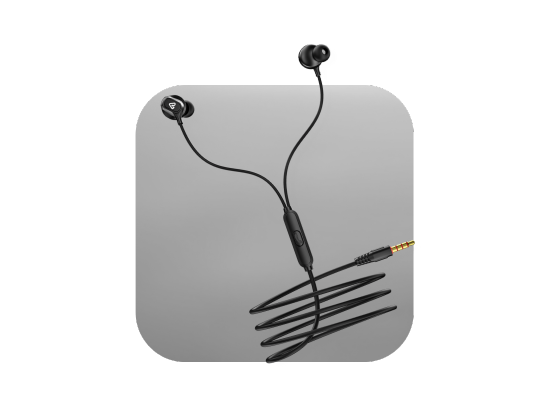
Buy top quality wired earphones under 500 and experience rich bass and sharp vocals without overspending making them perfect for travel music or study sessions.
Cons Of Wired Power Banks
Dependence On Cables
You always need to carry the right cable. Forgetting it can turn your power bank into dead weight in your bag.
Port Wear Over Time
Frequent plugging and unplugging can slowly wear out charging ports on both the device and the power bank.
For users who value speed and reliability during urgent moments, Wired Power banks remain the most dependable solution.
Wireless Power Banks: The Modern Companion
Now imagine you are working at a desk or relaxing on a couch. Instead of searching for a cable, you simply place your phone on the power bank and continue with your work. That effortless experience is what makes Wireless Power banks feel so appealing.
Pros Of Wireless Power Banks
Cable Free Convenience
Just place your device on the surface and charging begins. No tangled wires, no extra accessories, and no interruptions.
Flexible Multi-Device Charging
Many Wireless Power banks also include wired ports. This allows you to charge one device wirelessly while another charges through a cable.
Reduced Stress On Charging Ports
Since you are not constantly plugging in, the charging port on your device experiences less wear over time.
Buy wireless neckbands for seamless audio performance combining clear sound deep bass and long battery life for an all day listening experience you will love.
Cons Of Wireless Power Banks
Slower Charging Speeds
Wireless charging is generally slower than wired charging, which can be a drawback when you are in a hurry.
Slight Heat Generation
Wireless charging can create a bit more heat, especially during long charging sessions, which may reduce efficiency slightly.
Placement Sensitivity
Your phone needs to be aligned properly on the charging surface. A small shift can interrupt charging without you noticing.
For users who prefer simplicity and a clutter-free setup, Wireless Power banks offer a smooth and modern charging experience.
Wireless And Wired Power Banks A Lifestyle Perspective
Choosing between Wireless and Wired Power banks is really about understanding your daily routine. Think about how often you are on the move, how urgently you need charging, and how many devices you carry.
If your day involves frequent travel, tight schedules, and constant battery anxiety, wired charging will give you peace of mind. The speed and efficiency ensure your phone is always ready when you step out.
But if you spend long hours working at a desk, attending meetings, or using your phone casually throughout the day, the convenience of Wireless Power banks can make charging feel effortless and seamless.
Many users today actually combine both approaches. They rely on wireless charging during relaxed hours and switch to wired charging when they need quick power. This balanced usage reflects how modern lifestyles demand both speed and convenience.
Buy true wireless earbuds that combine long battery life quick pairing and stylish design so you enjoy nonstop entertainment with no wires holding you back.
Which One Should You Choose?
There is no universal winner because both types solve different problems. If fast charging, reliability, and efficiency are your top priorities, Wired Power banks are the better choice. They deliver consistent performance when you need power urgently.
If you prefer ease of use, minimal cable clutter, and a more flexible charging experience, Wireless Power banks are a great fit. They simplify everyday charging without the hassle of managing cables.
The right decision ultimately depends on how naturally the power bank fits into your routine rather than which option seems more advanced on paper.
Conclusion
Power banks have become essential companions in our always-connected lives. Whether you are commuting, traveling, working, or relaxing at home, a reliable power source keeps your digital world running smoothly.
Understanding the strengths of both options helps you choose wisely. Wired Power banks bring speed and efficiency, while Wireless Power banks offer convenience and flexibility. When you align your choice with your lifestyle needs, charging stops feeling like a task and becomes a seamless part of your day.
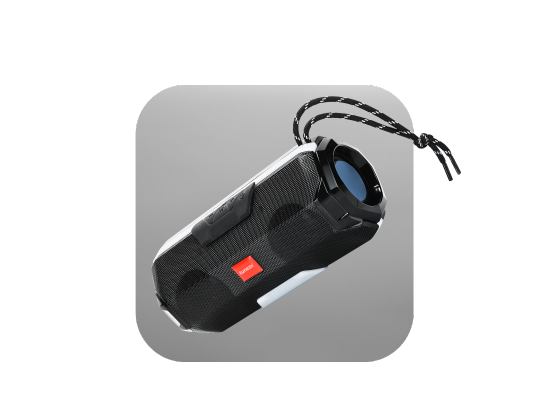
Buy Bluetooth speakers that combine wireless convenience with rich sound and durable build perfect for travel parties and everyday use wherever you are.