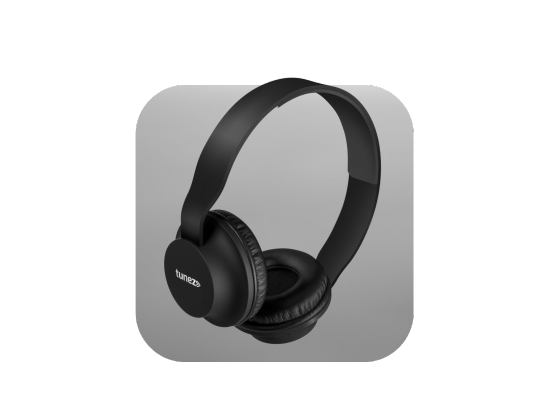





The first time I experienced Active vs Passive Noise Cancelling, it completely changed how I listened to music. I was on a crowded bus—engine noise, people talking, and traffic chaos all around. Within seconds of putting on noise-cancelling headphones, everything faded into the background. That moment sparked a simple question: “How do these technologies actually work?”.
If you have ever wondered about active and passive noise-cancelling, this guide explains it in a simple, practical way so you can choose what truly fits your lifestyle.
What Noise Cancelling Really Means
Noise cancelling is designed to reduce unwanted background sound so you can focus on what matters—music, calls, or even silence. Whether you are commuting, working, or relaxing, it improves clarity and comfort.
There are two main types of noise cancelling, active and passive. While both aim to reduce noise, they work in very different ways and are suited for different environments.
What is Passive Noise Cancelling?
How Passive Noise Cancelling Works
Passive noise cancelling is the simplest form of noise isolation. It works by physically blocking external sound using the design of the headphones.
This includes:
- Soft ear cushions that seal around your ears
- In-ear tips that block the ear canal
- Tight-fitting earcups that reduce sound entry
It works just like covering your ears with your hands—the sound is reduced because it cannot easily pass through.
Where Passive Noise Cancelling Works Best
Passive noise cancelling performs well in everyday situations like:
- Office environments with people talking
- Public spaces with sudden noises
- Home settings with background distractions
Since it does not rely on electronics, it works without a battery and is always active.
What is Active Noise Cancelling?
How Active Noise Cancelling Works
Active Noise Cancelling (ANC) uses advanced technology. Built-in microphones detect external noise, and the headphones generate opposite sound waves to cancel it out before it reaches your ears.
This real-time process is what makes active and passive noise-cancelling so different—one blocks sound physically, while the other cancels it electronically.
Where Active Noise Cancelling Works Best
Active noise cancelling is most effective in environments with consistent background noise, such as:
- Airplane cabins
- Train journeys
- Bus travel
- AC or fan noise
Unlike passive isolation, ANC requires battery power to function.
Active vs Passive Noise Cancelling: Key Differences
Understanding the difference between active and passive noise-cancelling helps you make a smarter buying decision.
|
Features
|
Passive Noise Cancelling
|
Active Noise Cancelling (ANC)
|
| How it works | Blocks sound physically | Cancels sound using microphones |
| Power requirement | No battery needed | Requires charging |
| Best for | Voices, sudden sounds | Continuous background noise |
| Complexity | Simple and durable | Advanced technology |
In simple terms, passive reduces noise by blocking it, while active reduces noise by cancelling it.
Why Do Many Headphones Use Both Technologies
Most modern headphones combine both methods to deliver a better experience. This combination is often referred to as hybrid noise cancelling.
When active and passive noise-cancelling work together, you get:
- Stronger overall noise reduction
- Improved audio clarity
- A more immersive listening experience
This is why premium headphones and wireless earbuds often include both technologies.
Real-Life Scenarios to Help You Choose
For Travel and Flights
If you frequently travel, active noise cancelling is the better choice. It effectively reduces engine noise and constant background sounds, making long journeys more comfortable.
For Office and Study
In quieter environments, passive noise cancelling is often enough to block conversations and minor distractions without needing battery power.
For Music Lovers
Some users prefer passive isolation because it preserves the natural sound quality without electronic processing. However, high-quality ANC headphones today are designed to maintain balanced audio.
Does Noise Cancelling Affect Sound Quality?
A common concern is whether noise-cancelling changes how your music sounds.
Here’s a simple breakdown:
- Passive noise cancelling keeps sound natural and unaltered
- Active noise cancelling may slightly adjust sound profiles
- Premium headphones balance both for optimal performance
Choosing a trusted brand ensures better tuning and audio consistency.
How to Choose the Right One for You
Choosing between active and passive noise-cancelling depends on how and where you use your headphones.
Choose Active Noise Cancelling if:
- You travel frequently
- You need deep noise reduction
- You are exposed to constant background noise
Choose Passive Noise Cancelling if:
- You work in moderately noisy environments
- You want longer battery life
- You prefer simple, maintenance-free devices
Understanding your daily usage is the key to making the right choice.
Conclusion
Both technologies serve the same purpose but in different ways. Passive noise cancelling uses physical design to block sound, while active technology uses electronics to cancel it.
When comparing active and passive Noise Cancelling, there is no one-size-fits-all answer. The best choice depends on your environment, usage, and personal preference. For many users, a combination of both delivers the most satisfying experience.
Once you understand how noise-cancelling headphones work, choosing the right ones becomes simple, practical, and stress-free.