





Have you ever plugged in your headphones and wondered why some jacks fit while others don’t? I used to face this all the time, especially when switching between phones, laptops, and speakers. That tiny metal plug might look simple, but it plays a huge role in how your audio sounds.
In this guide, we will explore Different Types of Audio Jacks, how they work, and how to choose the right one for everyday use without getting confused.
What Are Audio Jacks?
Audio jacks are small connectors that allow sound to travel from one device to another. They connect headphones, speakers, microphones, and musical equipment to phones, laptops, amplifiers, and more.
At their core, they work by transferring audio signals through metal contact points inside the plug and the port.
People often mix up types of audio jacks, but once you understand the basics, it becomes very easy.
Why Audio Jacks Are Still Important?
Even with wireless audio growing fast, wired connections are still trusted for:
- Stable sound quality
- Zero charging worries
- Low delay in gaming and music production
Most creators and musicians still rely on audio jacks due to reliability and clarity.
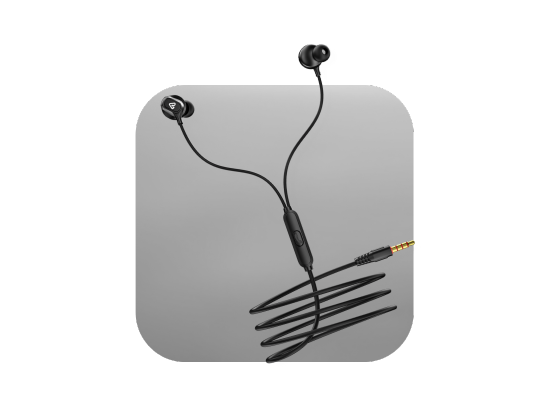
Get wired earphones under 500 that are compact reliable and crafted for non stop entertainment bringing you value performance and comfort in one.
The Most Common Types of Audio Jacks
Let’s break down the most widely used Types of jacks you will come across in daily life.
2.5mm Audio Jack
This is the smallest traditional headphone jack.
It was commonly used in older phones and compact devices. Today, it’s mostly found in:
- Walkie talkies
- Older communication gear
- Some niche audio equipment
It supports basic audio but is less compatible with modern devices.
3.5mm Audio Jack
This is the most popular and recognizable audio jack in the world.
You will find it in:
- Smartphones
- Laptops
- Headphones
- Tablets
- Car audio systems
It supports both stereo sound and microphone functionality, which makes it the most widely used among all types of audio jacks.
6.35mm Audio Jack
Also known as the quarter-inch jack, this large connector is used in professional environments.
It’s commonly used for:
- Electric guitars
- Studio headphones
- Amplifiers
- DJ equipment
This type is designed for durability and high-quality sound in demanding situations.
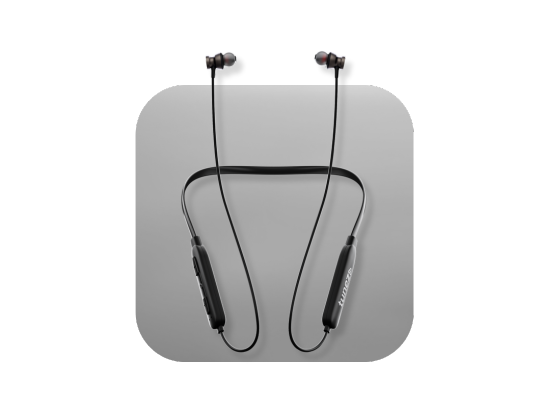
Experience the freedom of wireless neckbands with long battery backup lightweight design and excellent sound quality for both music and professional needs.
Digital Audio Jacks In Modern Devices
Modern smartphones are slowly removing traditional headphone ports. Instead, they rely on digital connectors.
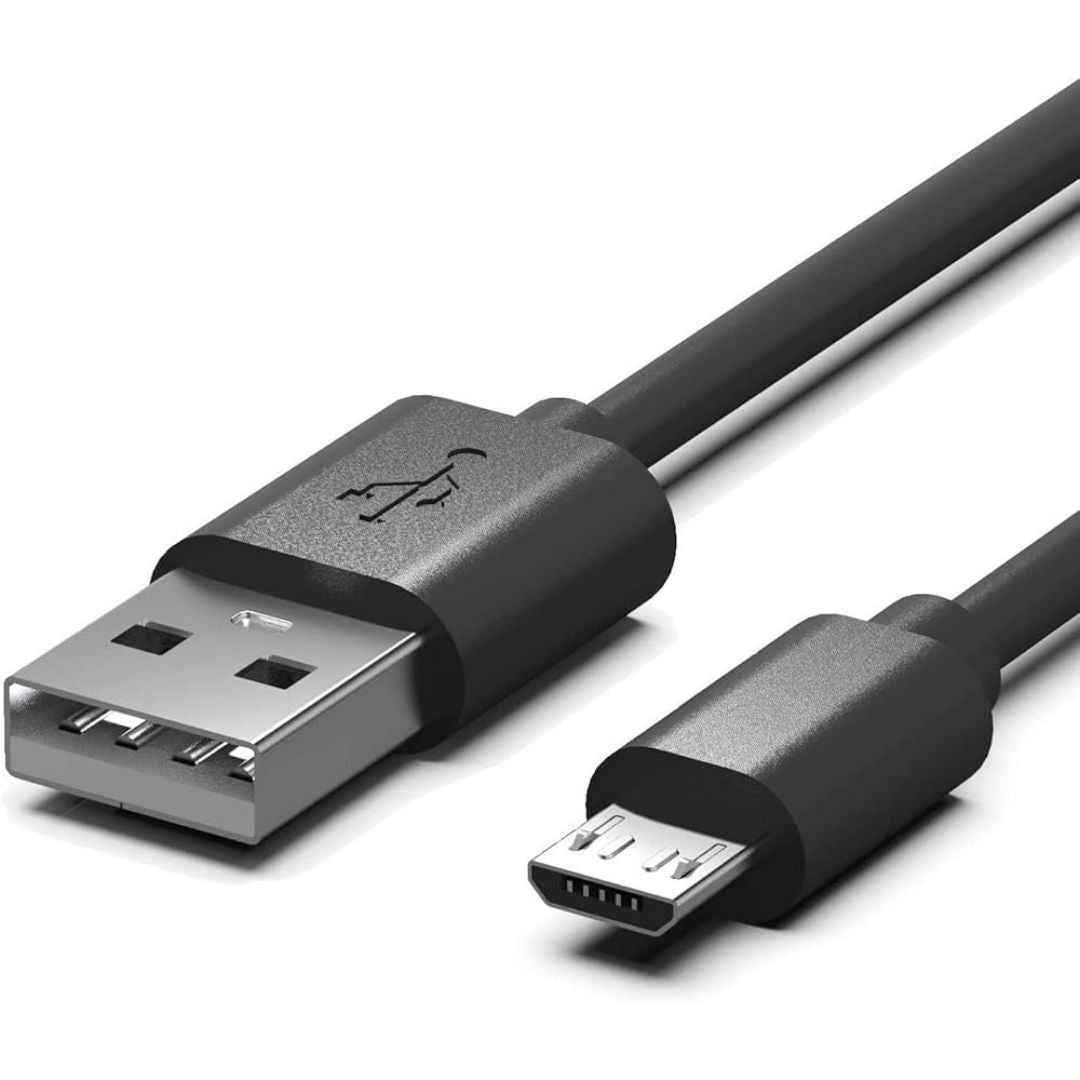
USB-C Audio
USB-C ports now carry digital audio.
They offer:
- Cleaner sound through built-in converters
- Support for advanced features like noise cancellation
- One port for charging and audio
Lightning Audio Jack
Exclusive to Apple devices, this port sends digital audio and also supports:
- Charging
- Data transfer
- Microphone controls
Though powerful, it limits compatibility with non-Apple devices.
These modern connectors have expanded the world of types of audio jacks beyond analog plugs.
Buy true wireless earbuds that combine long battery life quick pairing and stylish design so you enjoy nonstop entertainment with no wires holding you back.
TS, TRS and TRRS Explained Simply
You might notice black rings on the metal part of a plug. These indicate how many contact points it has.
Here’s how they work:
- TS: Mono sound, used for simple microphones and guitars
- TRS: Stereo sound, common in standard headphones
- TRRS: Stereo sound plus microphone, used in headsets
Understanding this helps you identify different types of jacks just by looking at them.
How To Choose The Right Audio Jack?
Choosing the correct jack depends on your device and purpose.
Here’s a quick guide:
- For phones and laptops: 3.5mm or USB-C
- For professional music: 6.35mm
- For gaming headsets: TRRS plugs
- For Apple devices: Lightning
Knowing these basics helps you avoid buying incompatible accessories and makes it easier to understand audio jacks before purchase.
Buy Bluetooth speakers that combine wireless convenience with rich sound and durable build perfect for travel parties and everyday use wherever you are.
Real Life Example
Imagine buying new headphones and finding they don’t fit your phone. This happens because different devices support different Types of audio jacks.
A 3.5mm headphone won’t fit a USB-C-only phone unless you use an adapter. This small detail can save money and frustration.
Conclusion
Understanding Different Types Of Audio Jacks makes life much easier when buying headphones, speakers, or microphones.
Those tiny plugs determine sound quality, compatibility, and ease of use. Once you know the basics, choosing the right connection becomes effortless.
Whether you love music, gaming, or creating content, knowing how audio jacks work helps you get the best experience every time.
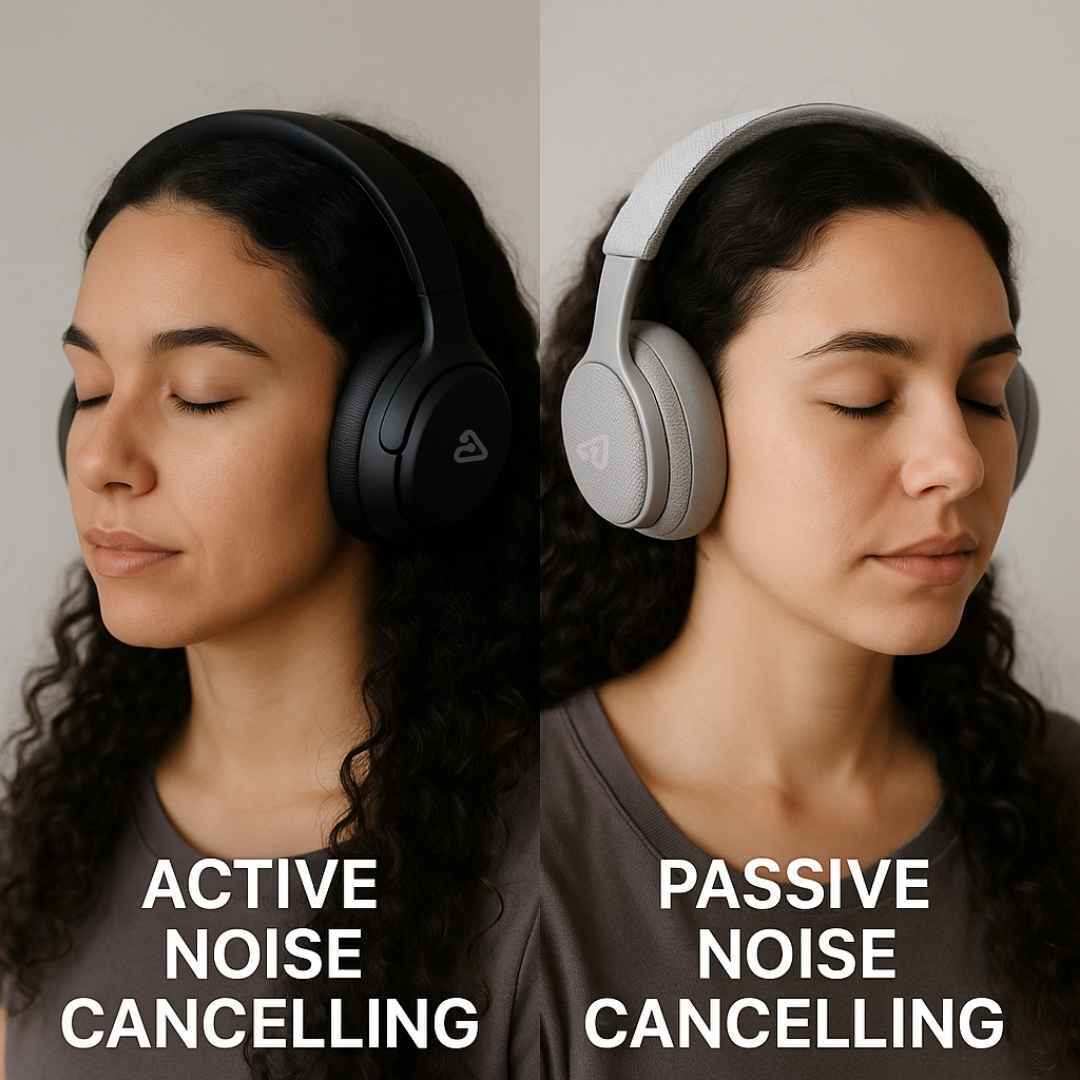
Shop wireless headphones with quick charging extended playtime and balanced sound designed for professionals gamers and everyday listeners alike.