







Bluetooth has become one of the most widely used wireless technologies in our daily lives. From connecting headphones to pairing car systems, it keeps us free from messy cables and makes device communication simple. Over the years, Bluetooth has improved in speed, range, and security—yet, like any technology, it comes with both strengths and limitations.
In this guide, let’s break down the real-world advantages and disadvantages of Bluetooth, explained in a friendly and easy-to-understand way.
What Is Bluetooth and Why It Matters Today
Bluetooth technology is a short-range wireless communication technology used to transfer data between devices. Whether you're streaming music, printing documents, or sending files, Bluetooth plays a silent role behind the scenes.
What makes it special is its convenience. You don’t need a router, cables, or complex setups—just turn it on and connect. This simplicity is exactly why Bluetooth is used in headsets, smart home devices, speakers, keyboards, fitness trackers, and even modern cars.
Advantages of Bluetooth
Bluetooth's advantages go beyond just “wireless convenience.” Here are the key benefits that make it so widely used:
Wireless Convenience
No more dealing with tangled wires or physical connections. Bluetooth lets you pair devices effortlessly and enjoy seamless communication. Whether you're sharing files or listening to music, the experience feels smooth and clutter-free.
Low Power Consumption
Bluetooth is designed to use very little energy. That’s why your Bluetooth earbuds, smartwatches, and trackers can last all day without draining the battery. The latest versions use even less power, improving battery life.
Easy To Set Up
Pairing devices usually takes seconds. Most smartphones and laptops detect nearby Bluetooth devices automatically, making the process simple even for beginners.
Wide Device Compatibility
From mobile phones and laptops to printers and cameras, Bluetooth is built into nearly every modern device. This universal compatibility makes it easier to use accessories across different brands and platforms.
Cost-Effective Technology
Bluetooth is a budget-friendly solution. There’s no need for extra routers, adapters, or infrastructure. Devices come with Bluetooth built in, keeping the overall cost low.
Works Through Obstacles
Unlike infrared communication, Bluetooth doesn’t require a direct line of sight. It can work through walls, furniture, and other obstacles, making it suitable for everyday use.
Ideal For Both Voice And Data Transfer
Whether you are talking on a Bluetooth headset or sending a small file, the technology supports both audio and data transmission smoothly.
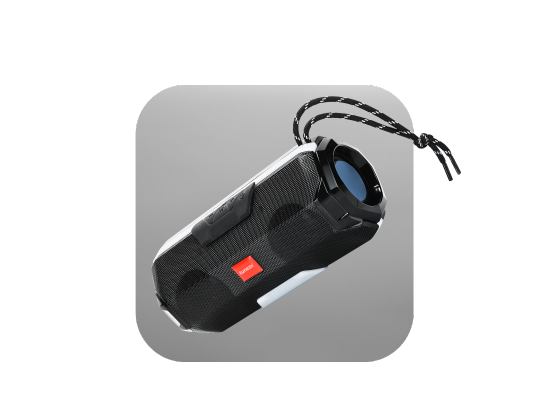
Buy Bluetooth speakers that combine wireless convenience with rich sound and durable build perfect for travel parties and everyday use wherever you are.
Disadvantages of Bluetooth
While Bluetooth is incredibly useful, it isn’t perfect. Here are the limitations you should know:
Limited Range
Traditional Bluetooth devices work within about 10 meters. Although newer versions offer a better range, the technology is still not ideal for long-distance communication.
Lower Data Transfer Speed
Compared to Wi-Fi, Bluetooth has slower data rates. It's great for small file transfers and streaming audio, but not suitable for large files or high-bandwidth applications.
Possible Connection Drops
Interference, physical obstacles, or device limitations can cause occasional disconnections, especially in crowded wireless environments.
Security Concerns
Bluetooth connections can be vulnerable to hacking if not configured properly. While modern versions include strong encryption, older devices may still pose risks.
Supports Limited Connections
Many Bluetooth devices can connect to only one or a few devices at a time. If you are trying to create a multitasking setup, you may face restrictions.
Buy true wireless earbuds that combine long battery life quick pairing and stylish design so you enjoy nonstop entertainment with no wires holding you back.
Where Bluetooth Works Best: Real-Life Use Cases
Bluetooth shines in everyday conveniences. Think about walking around your home with wireless earbuds while your phone stays on the table. Or syncing your fitness tracker to your smartphone without touching a cable. In cars, it enables hands-free calling and music streaming, making your drive safer and more enjoyable.
Even your smart devices—like speakers, keyboards, mice, and gaming controllers—use Bluetooth because it’s reliable, energy-efficient, and simple.
Conclusion
Bluetooth has become a core part of modern electronics thanks to its ease of use, power efficiency, and universal compatibility. It’s perfect for everyday wireless needs, especially when speed and long-range performance aren’t critical. However, understanding its limitations—such as slower data rates, shorter range, and potential security gaps—can help you use it more effectively.
As long as you know what Bluetooth is suited for, it remains one of the most convenient technologies available today.
Shop wireless neckbands designed for comfort and powerful sound that let you enjoy your favorite tracks calls and workouts with flexibility and style every day.