



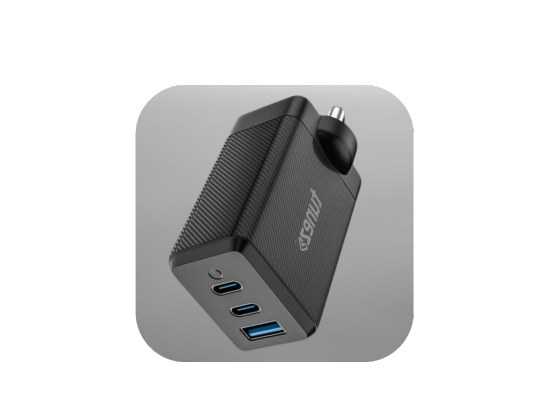






Buying a phone charger may seem simple, but not every product that looks genuine is made to the same quality standards. Counterfeit and poorly manufactured chargers can look similar to genuine products while using different internal components, offering inconsistent charging or lacking important safety protections.
If you are buying an original mobile charger for your smartphone, checking more than the brand name is important. Manufacturer details, power specifications, safety markings, build quality, packaging and charging behaviour can all help you determine whether a charger is genuine and suitable for your device.
Why Is Charger Authenticity Important?
A charger does more than simply transfer electricity to your phone. It controls how power is delivered to the device, which makes its construction and electrical specifications important for safe and consistent charging.
A poor-quality charger may cause:
- Slow or inconsistent charging
- Excessive heat
- Frequent charging interruptions
- Poor fast charging performance
- Damage to the charging port or cable
- Increased safety risks
A genuine charger should provide power according to its stated specifications and work reliably with compatible devices.
This does not mean the most expensive charger is automatically the safest. The important factors are verified specifications, appropriate safety measures, manufacturing quality and compatibility with your phone.
How Can You Identify An Authentic Phone Charger?
There is no single visual feature that can prove whether a charger is genuine. The most reliable approach is to check several details together.
Check The Manufacturer And Model Information
Start by examining the information printed on the charger itself and its packaging.
A legitimate product should normally provide identifiable information such as:
- Manufacturer name
- Model number
- Input rating
- Output rating
- Power rating
- Product or batch information
- Warranty details where applicable
Compare these details with information published by the manufacturer's official website.
If the model number does not exist, specifications do not match or important manufacturer information is missing, take extra care before using or purchasing the charger.
Verify The Charger Power Specifications
The output specifications are among the most useful details when checking a charger.
Depending on the product, you may see information such as 5V, 2A, 10W, 20W, 25W or higher power ratings. Some modern chargers also support multiple voltage and current combinations for fast charging.
Do not assume that a higher wattage automatically means faster charging. Your smartphone determines how much power it can accept, while the charger must support a compatible charging technology.
For example, a 65W GaN charger does not necessarily make a phone that supports 25W charge at 65W. The phone and charger communicate according to supported charging standards.
Look For Applicable Safety Markings
Safety and compliance markings can provide another useful verification point.
Depending on the product and market, chargers may carry relevant certification or compliance information. In India, consumers should pay particular attention to applicable BIS requirements for regulated electronic products.
However, a certification logo printed on a charger should not be treated as automatic proof of authenticity. Counterfeit products can copy markings as well.
If you are unsure, verify the manufacturer, product information and certification details through appropriate official sources.
Examine The Build Quality Carefully
Physical construction can reveal manufacturing inconsistencies.
When inspecting an original charger, look closely at:
- Plastic moulding
- Plug or pin construction
- USB port alignment
- Connector finishing
- Cable connection
- Printed information
- Overall fit and finish
A genuine product will generally have consistent manufacturing and clean finishing. Rough edges, loose parts, poorly aligned ports, uneven plastic or unclear printing should make you more cautious.
Build quality alone cannot prove that a charger is genuine, but poor construction can be a useful warning sign.
Check The Packaging For Inconsistencies
Packaging can provide additional clues, particularly when you can compare it with official product images.
Look for:
- Correct brand information
- Clear printing
- Accurate specifications
- Proper product information
- Barcode or product identification details
- Warranty information where applicable
Be cautious if the box contains obvious spelling mistakes, blurry printing, inconsistent logos or incomplete product information.
If something looks different from the manufacturer's official packaging, investigate it before using the product.
Can Price Help You Identify A Fake Charger?
Price by itself cannot prove that a charger is counterfeit. Genuine products can be discounted during sales, while counterfeit products can sometimes be sold at prices close to genuine products.
However, an unusually low price should encourage additional checks.
Before buying, compare the seller, product specifications, warranty information and source. If an original mobile charger is being offered at a price that seems unusually low compared with established sellers, verify the product before purchasing.
The seller is often just as important as the price.
Check Where The Charger Was Purchased
Buying from a reliable source is one of the simplest ways to reduce the possibility of receiving a counterfeit product.
Consider purchasing from:
- The manufacturer's official store
- Authorized retailers
- Established electronics stores
- Reputable online sellers
Keep your invoice and product packaging after purchase. These can be useful for warranty claims, returns or product verification.
An original product purchased through a reliable seller also gives you a clearer route to customer support if something goes wrong.
Test The Charging Performance
Charging behaviour can reveal problems that are not visible from the outside.
A good quality charger should provide stable charging when used with a compatible phone and cable.
Pay attention to:
- Unexpected charging interruptions
- Very slow charging
- Frequent connection and disconnection
- Unusual heat
- Strange sounds
- Burning smells
- Fast charging that repeatedly stops
Some warmth during charging can be normal. However, excessive heat, a burning smell, sparks or visible damage should never be ignored.
If a charger shows these symptoms, disconnect it and stop using it.
Do Not Forget The Charging Cable
A charger cannot deliver its expected performance if the cable is unsuitable or damaged.
When checking your charging setup, inspect the cable for:
- Damaged insulation
- Loose connectors
- Bent pins
- Poor connector alignment
- Visible wear
- Unstable connections
The cable must also support the required power and charging standard. This is particularly important for phones that support higher speed charging.
Therefore, if your original charger is not delivering the expected charging speed, check the cable and phone compatibility before assuming that the charger itself is faulty.
What Are The Warning Signs of A Counterfeit Charger?
Several warning signs together can indicate that a charger may be unreliable.
| Manufacturer details | Clearly provided | Missing or unclear |
| Specifications | Consistent and verifiable | Unusual or incomplete |
| Construction | Clean and consistent | Rough or poorly finished |
| Packaging | Professional and accurate | Printing errors |
| Charging | Stable | Frequent interruptions |
| Temperature | Normally controlled | Excessive heat |
| Seller | Established source | Unknown seller |
| Warranty | Clearly explained | Missing or unclear |
No single warning sign should be treated as absolute proof. Consider the complete picture before deciding whether a charger is trustworthy.
What Should You Do If A Charger Seems Fake?
If you suspect that a charger is counterfeit or unsafe, do not continue using it simply to test whether it works.
First, compare its model number, specifications and product details with the manufacturer's official information. If you purchased it recently, contact the seller and ask about verification, replacement or a refund.
If the charger has exposed wiring, severe damage, sparks, burning smells or abnormal heating, stop using it immediately.
It is not worth risking your phone or personal safety to continue using a questionable charger.
How To Choose The Right Charger For Your Phone
Authenticity is only one part of choosing a charger. Compatibility is equally important.
Before buying, check:
- Your phone's supported charging power
- Compatible charging standards
- Charger output specifications
- Required cable type
- Manufacturer recommendations
- Warranty and return conditions
A suitable charger does not need to have exactly the same brand name as your phone in every situation. What matters is that its electrical specifications and charging technology are compatible with the device.
Why Buying A Genuine Charger Is Worth It
Choosing a genuine and properly specified charger can provide more predictable charging performance and better access to manufacturer support.
Instead of choosing a charger only because it is cheap or has a high wattage rating, consider the complete product. Verified specifications, appropriate safety features, quality construction and a trustworthy seller are more useful indicators of a reliable charging accessory.
For everyday smartphone users, these checks can make the difference between a dependable charging setup and an accessory that creates unnecessary problems.
Conclusion
Identifying an authentic phone charger requires more than checking a logo or comparing prices. Look at the manufacturer and model information, power specifications, applicable safety markings, construction, packaging, cable quality and charging behaviour.
If you are specifically searching for an original mobile charger, buying through an official or trusted seller and verifying the product information can significantly reduce the risk of receiving a counterfeit accessory.
Most importantly, do not ignore warning signs such as excessive heat, burning smells, damaged connectors or unstable charging. A reliable charger should provide consistent performance while meeting the requirements of your smartphone.

