
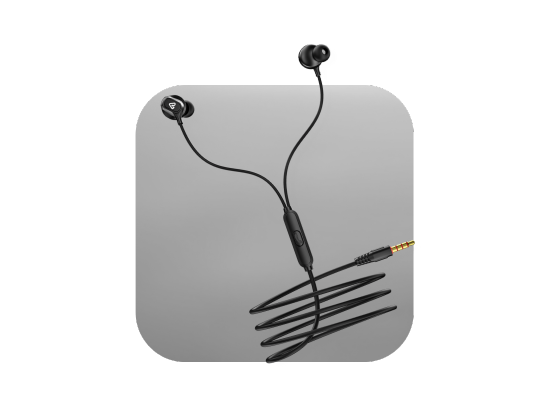











Bluetooth technology has become part of everyday life. From wireless earphones and headphones to smartwatches, speakers, and fitness trackers, millions of people use Bluetooth-enabled devices every day. As these devices become more common, many people wonder whether Bluetooth causes cancer is a genuine health concern.
The reassuring news is that current scientific evidence does not support a link between Bluetooth technology and cancer. Bluetooth devices emit very low levels of non ionizing radiofrequency radiation, which does not have enough energy to damage DNA or trigger the cellular changes associated with cancer.
In this article, we will examine what research says about Bluetooth and cancer, explain how Bluetooth radiation works, and discuss whether there is any reason to worry about daily use.
Can Bluetooth Cause Cancer?
Based on current scientific evidence, there is no reliable proof that Bluetooth devices cause cancer.
Bluetooth transfers data using low-power radiofrequency waves, a form of non-ionising radiation. Unlike ionising radiation, such as X-rays or gamma rays, non-ionising radiation does not carry enough energy to damage DNA or directly increase cancer risk.
Leading health organisations, including the World Health Organisation (WHO), United States Food and Drug Administration, and American Cancer Society, have reviewed the available evidence and found no consistent association between low level radiofrequency exposure and cancer.
Understanding Bluetooth Radiation
Many people become concerned when they hear the word radiation. However, not all radiation affects the human body in the same way.
Ionizing Radiation
Ionising radiation contains enough energy to remove electrons from atoms, which can damage cells and DNA.
Examples include:
- X rays
- Gamma rays
- Certain ultraviolet rays
Long-term exposure to these forms of radiation can increase the risk of developing cancer.
Non-Ionizing Radiation
Bluetooth devices use non-ionising radiation, which operates at much lower energy levels.
Common examples include:
- Bluetooth devices
- WiFi routers
- Radio waves
- Television signals
Current research indicates that these forms of radiation do not damage DNA in the same way as ionizing radiation.
Can Bluetooth Earphones Cause Cancer?
Another common concern is whether Bluetooth earphones increase cancer risk because they are worn close to the head.
Current research says no.
Bluetooth earphones transmit radiofrequency signals at extremely low power levels, often much lower than those emitted by mobile phones. Even though they sit near the ears, the amount of radiofrequency energy they produce remains well within internationally accepted safety limits.
Researchers continue to study long-term radiofrequency exposure, but there is no convincing evidence that Bluetooth earphones increase the risk of brain cancer or other cancers.
Can Bluetooth Headphones Cause Cancer?
Many people also ask whether Bluetooth headphones cause cancer because they are often used for several hours each day.
Current scientific evidence does not support this concern.
Bluetooth headphones use the same low-power wireless technology found in other Bluetooth-enabled devices. In fact, they generally expose users to less radiofrequency energy than holding a mobile phone against the ear during a voice call.
There is currently no convincing evidence that Bluetooth earphones or headphones increase the risk of cancer.
What Do Health Experts Say?
Several respected health organisations have reviewed the available research on Bluetooth and cancer.
Their conclusions include:
- No consistent evidence that Bluetooth devices cause cancer.
- Bluetooth emits much lower radiofrequency energy than mobile phones.
- Current exposure levels remain within internationally accepted safety standards.
- Continued research is encouraged as wireless technology evolves.
For these reasons, health authorities continue to regard Bluetooth devices as safe when used as intended.
Real Risks Associated With Bluetooth Earphones
Although Bluetooth causing cancer is not supported by scientific evidence, improper use of Bluetooth earphones can contribute to other health concerns.
Hearing Damage
Listening at high volumes for long periods can permanently damage hearing. Experts recommend following the 60 60 rule, keeping the volume below 60 percent for no longer than 60 minutes before taking a break.
Ear Hygiene
Using earbuds for long periods without cleaning them can trap moisture, bacteria, and earwax, increasing the risk of irritation and outer ear infections.
Reduced Awareness
Wearing earbuds while driving, cycling, or walking in busy areas may reduce awareness of your surroundings and increase the risk of accidents.
Conclusion
If you are concerned about Bluetooth causing cancer, current scientific evidence offers reassuring answers. Bluetooth devices emit low-power, non-ionising radiofrequency waves that have not been shown to damage DNA or increase cancer risk. Likewise, there is no convincing evidence that Bluetooth earphones or headphones increase the risk of cancer.
While researchers continue to monitor the long-term effects of wireless technologies, today's evidence indicates that Bluetooth devices are safe when used as recommended. Rather than worrying about cancer, it is far more important to practise safe listening habits by keeping the volume at moderate levels, taking regular breaks, and maintaining good ear hygiene.
Frequently Asked Questions
1. Can Bluetooth really cause cancer?
No. Based on current scientific evidence, there is no proven link between Bluetooth technology and cancer. Bluetooth devices use low-power, non-ionising radiofrequency radiation, which does not have enough energy to damage DNA or cause cancer.
2. Can Bluetooth earphones cause cancer?
Current research does not show that Bluetooth earphones cause cancer. They emit much lower levels of radiofrequency energy than mobile phones and operate within internationally accepted safety limits.
3. Can Bluetooth headphones cause cancer?
No scientific study has confirmed that Bluetooth headphones cause cancer. Health experts continue to monitor new research, but existing evidence does not support a cancer risk from normal Bluetooth headphone use.
4. Is Bluetooth radiation harmful to the brain?
Bluetooth devices emit non ionizing radiation, which is considered different from ionizing radiation such as X rays. Current evidence has not shown that Bluetooth radiation damages the brain or increases the risk of brain cancer.
5. Is Bluetooth safer than using a mobile phone?
Bluetooth accessories generally transmit much lower radiofrequency energy than mobile phones during voice calls. Using Bluetooth devices may reduce the amount of radiofrequency exposure from holding a phone directly against your ear.
6. Can wearing Bluetooth earbuds all day affect your health?
There is no evidence that wearing Bluetooth earbuds all day causes cancer. However, prolonged use may lead to ear discomfort, earwax buildup, or reduced awareness of your surroundings. Taking regular breaks is recommended.
7. What are the real risks of using Bluetooth earphones?
The most common risks are not related to cancer. Listening at high volumes for extended periods may contribute to hearing loss, while poor earbud hygiene can increase the risk of outer ear infections.
8. Should I stop using Bluetooth devices because of cancer concerns?
Current scientific evidence does not suggest that you need to stop using Bluetooth devices because of cancer concerns. Using them responsibly and following general hearing safety practices is considered a sensible approach.
9. How can I use Bluetooth earphones safely?
To use Bluetooth earphones safely:
- Keep the volume below 60 percent.
- Limit continuous listening sessions.
- Clean your earbuds regularly.
- Avoid wearing them while driving or crossing busy roads.
- Store them in a clean, dry case after use.
10. Should children avoid Bluetooth devices?
There is currently no evidence that Bluetooth devices increase cancer risk in children. However, parents should encourage moderate usage, maintain safe listening volumes, and limit unnecessary screen time to support overall health.