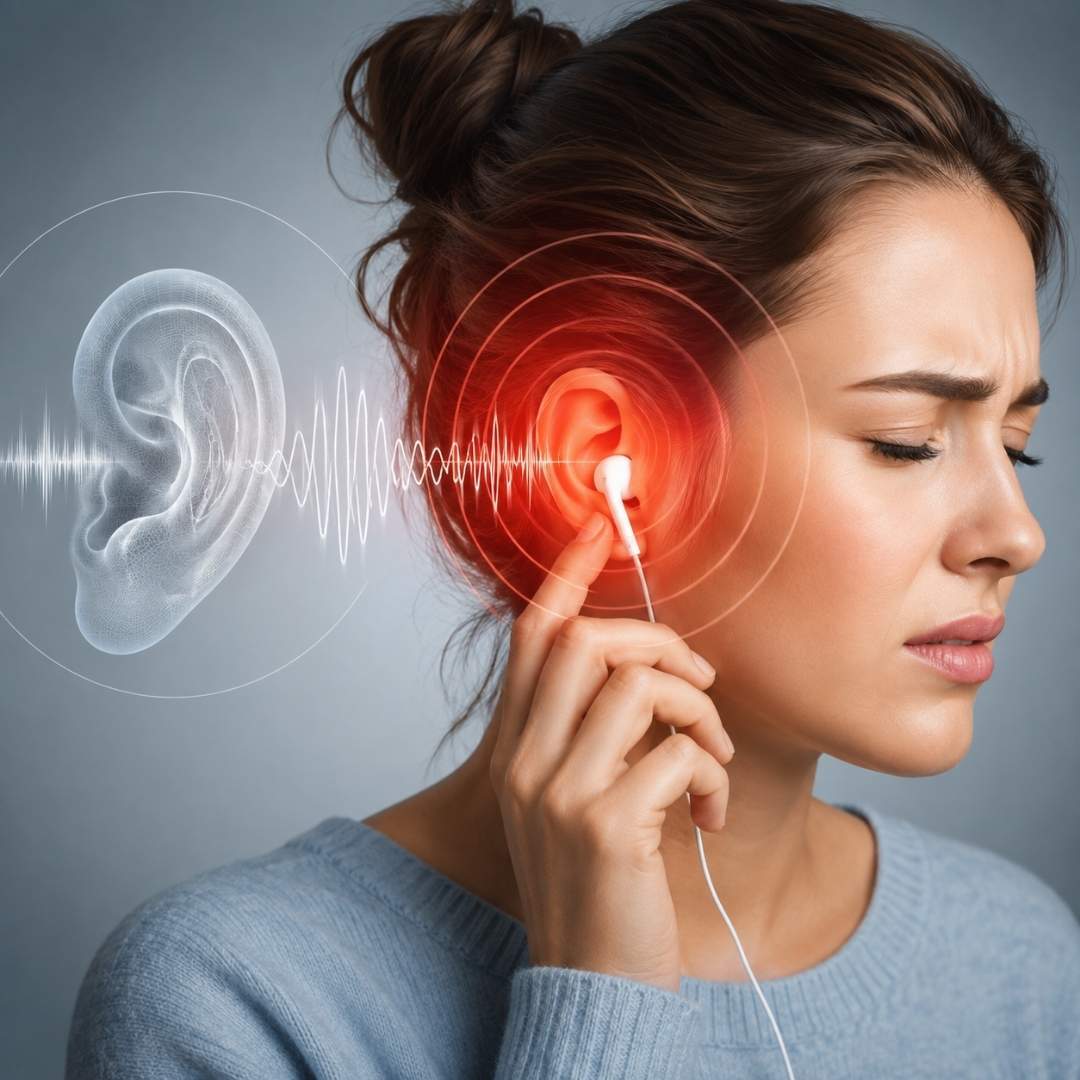
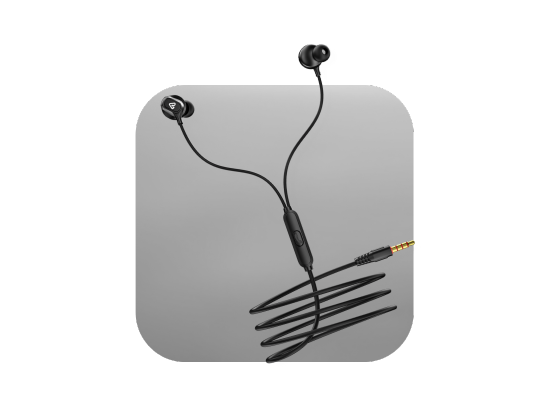
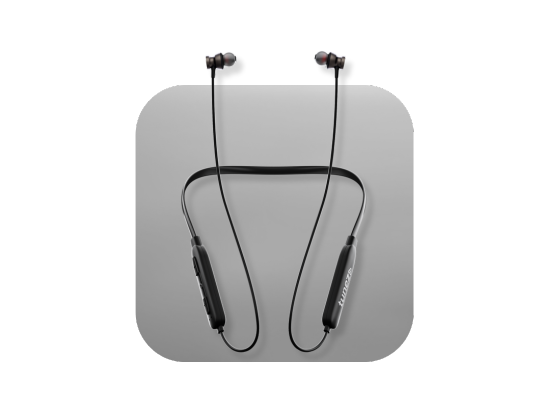
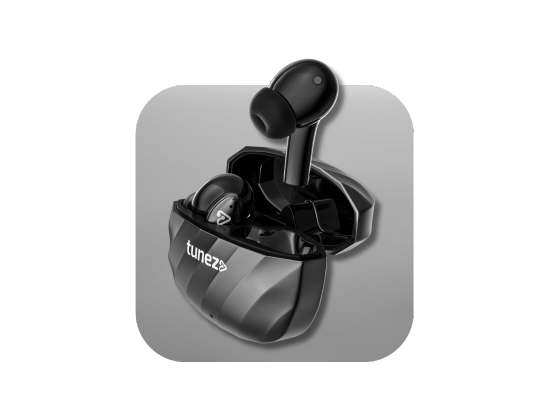




Earphones have become an everyday essential for listening to music, attending online meetings, watching videos, gaming, and taking calls. While they are convenient and can provide excellent sound quality, many people wonder whether regular earphone use can affect their hearing.
The good news is that earphones are not inherently harmful to your ears. However, earphones can contribute to tinnitus when they are used improperly, particularly at high volumes or for long periods. Excessive sound exposure can damage the sensitive structures inside the inner ear, increasing the risk of noise-induced hearing loss and tinnitus.
Understanding how tinnitus develops and following safe listening habits can help you continue enjoying your favourite audio while protecting your hearing.
Can Earphones Cause Tinnitus?
The answer depends largely on how you use them.
Tinnitus is the perception of ringing, buzzing, hissing, or other sounds when there is no external source producing them. It can have several causes, but exposure to loud noise is an important risk factor.
Listening through earphones at a comfortable volume does not automatically lead to tinnitus. The greater concern is repeated exposure to sounds that are too loud or listening continuously for extended periods.
According to the American Academy of Audiology, headphones and earbuds do not directly cause tinnitus, but inappropriate use can increase the risk of noise-induced hearing loss, which in turn can increase the likelihood of tinnitus.
How Loud Sounds Affect Your Hearing
The cochlea, a small spiral-shaped structure in the inner ear, contains delicate sensory hair cells that help convert sound vibrations into signals sent to the brain.
When sounds are too loud, these cells and their hair-cell bundles can become damaged. Repeated or prolonged exposure can result in permanent damage because human inner-ear hair cells do not normally grow back.
Early warning signs of excessive sound exposure may include:
- Ringing or buzzing in the ears after listening
- Muffled hearing
- Difficulty understanding conversations
- Difficulty hearing high-pitched sounds
- Increased sensitivity to everyday sounds
Temporary ringing after loud music may disappear as the ears recover. However, repeated exposure can lead to lasting hearing damage and persistent tinnitus.
Do Earphones Cause Tinnitus More Than Headphones?
The type of listening device is generally less important than the volume, duration, and frequency of exposure.
Both earphones and headphones can be used safely when appropriate listening habits are followed. The main concern is whether the sound reaching your ears is too loud or is being delivered for too long.
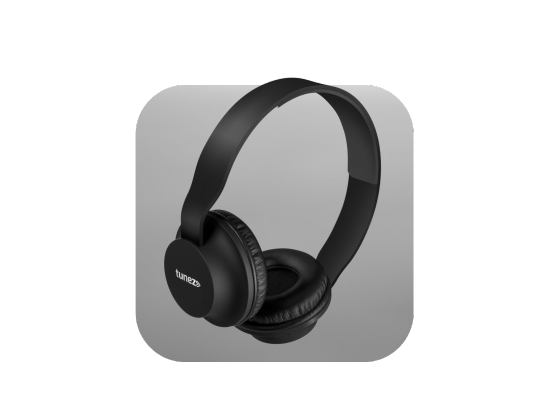
Earphones can make it tempting to increase the volume in noisy environments. Noise-cancelling headphones or earphones can be useful in these situations because they reduce background noise, which may make it easier to listen at a lower volume.
Therefore, choosing between earbuds and over-ear headphones is less important than controlling your overall sound exposure.
Common Causes of Tinnitus
Loud sound exposure is an important cause of tinnitus, but it is not the only one. Tinnitus can be associated with several conditions and factors, including:
Noise-Induced Hearing Loss
Repeated exposure to loud music, concerts, machinery, workplace noise, or personal audio devices can damage the inner ear and contribute to hearing loss and tinnitus.
Age-Related Hearing Loss
Changes in hearing that occur with age can increase the likelihood of experiencing tinnitus.
Earwax Buildup
Excessive earwax can block the ear canal and may cause hearing changes or ringing in the ear.
Ear Infections
Some ear infections can be accompanied by temporary tinnitus. The ringing may improve when the underlying infection is treated.
Certain Medications
Some medications can be associated with tinnitus, particularly at higher doses. If you suspect a medicine is affecting your hearing, speak with a healthcare professional rather than stopping it on your own.
How to Use Earphones Safely
You do not need to stop using earphones completely to protect your hearing. Instead, focus on reducing excessive sound exposure.
Keep the Volume at a Safe Level
WHO recommends keeping the volume of personal audio devices at no more than 60% of the maximum. If you can monitor the actual sound level, staying below around 80 dB average is another useful guideline.
Remember that the volume percentage on a phone is only a general guide because the actual sound level can vary between devices, earphones, and audio recordings.
Limit Listening Time
Hearing risk depends on both how loud the sound is and how long you are exposed to it. The louder the sound, the less time it takes to potentially cause damage.
Avoid listening continuously for several hours, particularly at high volumes. Take regular breaks in a quiet environment to reduce your overall exposure.
Use Noise-Cancelling Devices
Noise-cancelling earphones and headphones can reduce background noise, allowing you to hear your audio clearly without constantly increasing the volume.
They do not directly prevent tinnitus, but using them appropriately may help reduce your exposure to unnecessarily loud audio.
Avoid Sleeping With Earphones
Sleeping with earphones can significantly increase the amount of time you are exposed to audio. It may also cause discomfort or irritation, especially if the earbuds press against your ears while you sleep.
If you listen to audio before sleeping, consider using a speaker at a comfortable level and turning it off when you fall asleep.
Give Your Ears Regular Breaks
If you notice ringing, buzzing, muffled hearing, or a feeling that your ears are tired after listening, stop or reduce the sound exposure and give your ears some quiet time.
Regular breaks are particularly important when you use earphones for online meetings, gaming, studying, or work throughout the day.
Can Tinnitus From Loud Music Be Permanent?
Tinnitus after loud music can sometimes be temporary. For example, you may notice ringing or muffled hearing after attending a loud concert or listening to music at a high volume. These symptoms can improve as the ears recover.
However, repeated or prolonged exposure to loud sounds can cause permanent damage to the sensory cells and other structures involved in hearing. This can result in permanent noise-induced hearing loss and persistent tinnitus.
This is why prevention and safe listening habits are important, even if your hearing currently seems normal.
Who Is Most at Risk?
People who regularly experience high levels of sound exposure may have a greater risk of noise-related hearing problems. This can include:
- People who listen to music at high volume every day
- Gamers who use headphones for several hours
- Office workers attending back-to-back online meetings
- Musicians and DJs
- Factory and construction workers
- People who frequently attend concerts or other loud events
- Teenagers and young adults who regularly use personal audio devices at high volumes
The risk is not determined by the device alone. Sound level, listening duration, and how frequently you are exposed all matter.
Conclusion
Earphones do not inherently cause tinnitus, but listening at high volumes or for long periods can increase the risk of hearing damage and tinnitus. Safe listening habits, comfortable volume levels, regular breaks, and well-fitted or noise-cancelling devices can help reduce this risk. If you also wonder can headphones cause vertigo, persistent dizziness or balance issues should not be overlooked.
If you experience ongoing ringing, hearing difficulties, dizziness, or other changes in your hearing, consider getting evaluated by an audiologist or hearing healthcare professional. WHO recommends seeking professional advice when tinnitus persists or hearing difficulties occur.
Frequently Asked Questions
1. Can earphones cause tinnitus?
Earphones do not inherently cause tinnitus, but using them at excessively high volumes or for prolonged periods can increase the risk of noise-induced hearing damage and tinnitus.
2. Can using earphones every day cause tinnitus?
Daily earphone use is not necessarily harmful. The important factors are listening volume, duration, and frequency of exposure. Keeping the volume moderate and taking regular breaks can help reduce the risk.
3. What volume is considered safe when using earphones?
WHO recommends keeping personal audio devices at no more than 60% of maximum volume. Where possible, monitoring the actual sound level is more useful because volume percentages can vary between devices.
4. Can tinnitus from loud earphone use be temporary?
Yes. Ringing after exposure to loud music can sometimes be temporary and may improve as the ears recover. However, repeated exposure to loud sounds can cause permanent hearing damage and persistent tinnitus.
5. Are headphones safer than earphones?
Neither is automatically safer. Both can be used responsibly. Noise-cancelling headphones or earphones may help in noisy environments because they can reduce the need to increase the volume.
6. Can noise-cancelling earphones prevent tinnitus?
Noise cancellation does not directly prevent tinnitus. However, reducing background noise can make it easier to listen at a lower volume, potentially reducing the risk associated with excessive sound exposure.
7. What are the first signs of hearing damage from loud earphones?
Possible warning signs include:
- Ringing or buzzing in the ears
- Muffled hearing after listening
- Difficulty hearing high-pitched sounds
- Difficulty understanding conversations
- Needing to increase the volume to hear clearly
Persistent symptoms should be evaluated by a hearing healthcare professional.
8. How can I reduce my risk of tinnitus while using earphones?
You can reduce your risk by:
- Keeping the volume at or below 60% of maximum
- Limiting prolonged listening sessions
- Taking regular breaks
- Using well-fitted or noise-cancelling earphones in noisy environments
- Avoiding unnecessary exposure to loud sounds
- Monitoring your listening levels when your device supports this feature
9. When should I see a doctor for tinnitus?
Consider seeing an audiologist or ENT specialist if ringing persists, becomes frequent, or occurs alongside hearing loss, dizziness, ear pain, or other concerning symptoms. Persistent tinnitus can sometimes indicate an underlying hearing problem and should not be ignored.
10. Can hearing loss caused by loud earphones be reversed?
Permanent noise-induced hearing loss caused by damage to the sensory hair cells of the inner ear generally cannot be reversed because these human hair cells do not normally regenerate. This is why preventing excessive sound exposure is important.