






Wireless technology has quietly transformed how we use everyday devices. From earbuds and smartwatches to laptops and speakers, Bluetooth plays a major role in keeping our gadgets connected without cables.
But when you look at specifications for modern devices, you often see different Bluetooth versions listed. This leads to a common question: “What is the real difference between Bluetooth 5.1, 5.2, 5.3, and 5.4?”
Each version introduced specific improvements in connectivity, power efficiency, and audio performance. Understanding these changes helps you choose devices that deliver a more reliable wireless experience.
How Bluetooth Technology Continues To Evolve
Bluetooth technology does not change drastically with every update. Instead, each new version improves specific areas such as connection stability, audio transmission, or device communication.
The upgrades from Bluetooth 5.1, 5.2, 5.3, and 5.4 mainly focus on:
• Better wireless efficiency
• Improved audio performance
• Lower power consumption
• More stable connections between devices
These improvements help wireless earbuds, headphones, and smart devices perform more smoothly in daily use.
Bluetooth 5.1: Introduction Of Direction Finding
Bluetooth 5.1 marked an important step forward in wireless positioning technology. This version introduced direction finding features that allow devices to detect the direction of a Bluetooth signal.
Instead of simply detecting signal strength, Bluetooth 5.1 can determine the angle from which a signal arrives. This allows much more accurate indoor positioning.
Key Features Of Bluetooth 5.1
• Direction finding using Angle of Arrival and Angle of Departure
• Improved indoor navigation and device tracking
• Better location-based services
Although this version focused more on positioning technology, it laid the groundwork for many smart applications used today.
Bluetooth 5.2: A Major Upgrade For Wireless Audio
Bluetooth 5.2 brought one of the biggest improvements for audio devices. This version introduced LE Audio, which allows wireless devices to deliver better sound while consuming less power.
It also introduced the LC3 audio codec, which improves sound quality even at lower bitrates.
Key Improvements In Bluetooth 5.2
• LE Audio for improved wireless audio streaming
• LC3 codec for clearer and more efficient sound
• Enhanced Attribute Protocol for faster communication
Because of these upgrades, Bluetooth 5.2 became the foundation for modern wireless earbuds and headphones.
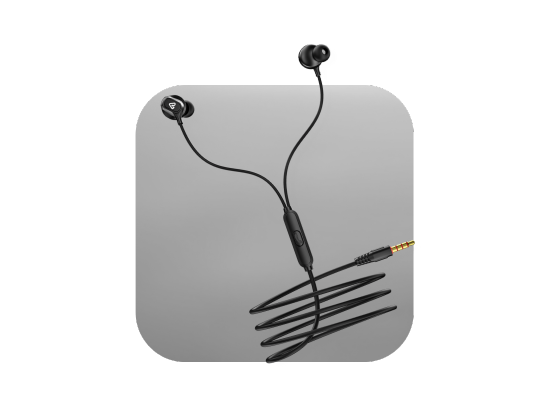
Buy wireless neckbands and unlock superior performance stylish fit and extended playtime that make them the ideal choice for music lovers on the go.
Bluetooth 5.3: Focus On Stability And Efficiency
While Bluetooth 5.2 focused heavily on audio innovation, Bluetooth 5.3 concentrated on refining connection reliability.
This version improved how devices manage interference and reduced unnecessary power consumption during communication.
Key Improvements In Bluetooth 5.3
• Better channel classification to reduce interference
• Improved connection management between devices
• Lower energy usage for longer battery life
Many modern earbuds and wireless accessories use Bluetooth 5.3 because it delivers stable connectivity even in crowded wireless environments.
Bluetooth 5.4: Smarter Connectivity And Security
Bluetooth 5.4 is the newest version in this series and focuses on large scale device communication and improved security.
This version introduced Periodic Advertising with Responses, which allows thousands of devices to communicate efficiently within a single network.
Key Features Of Bluetooth 5.4
• More secure wireless communication
• Improved device coordination
While these features are mainly designed for smart systems and large networks, Bluetooth 5.4 also provides reliable connectivity for consumer devices.
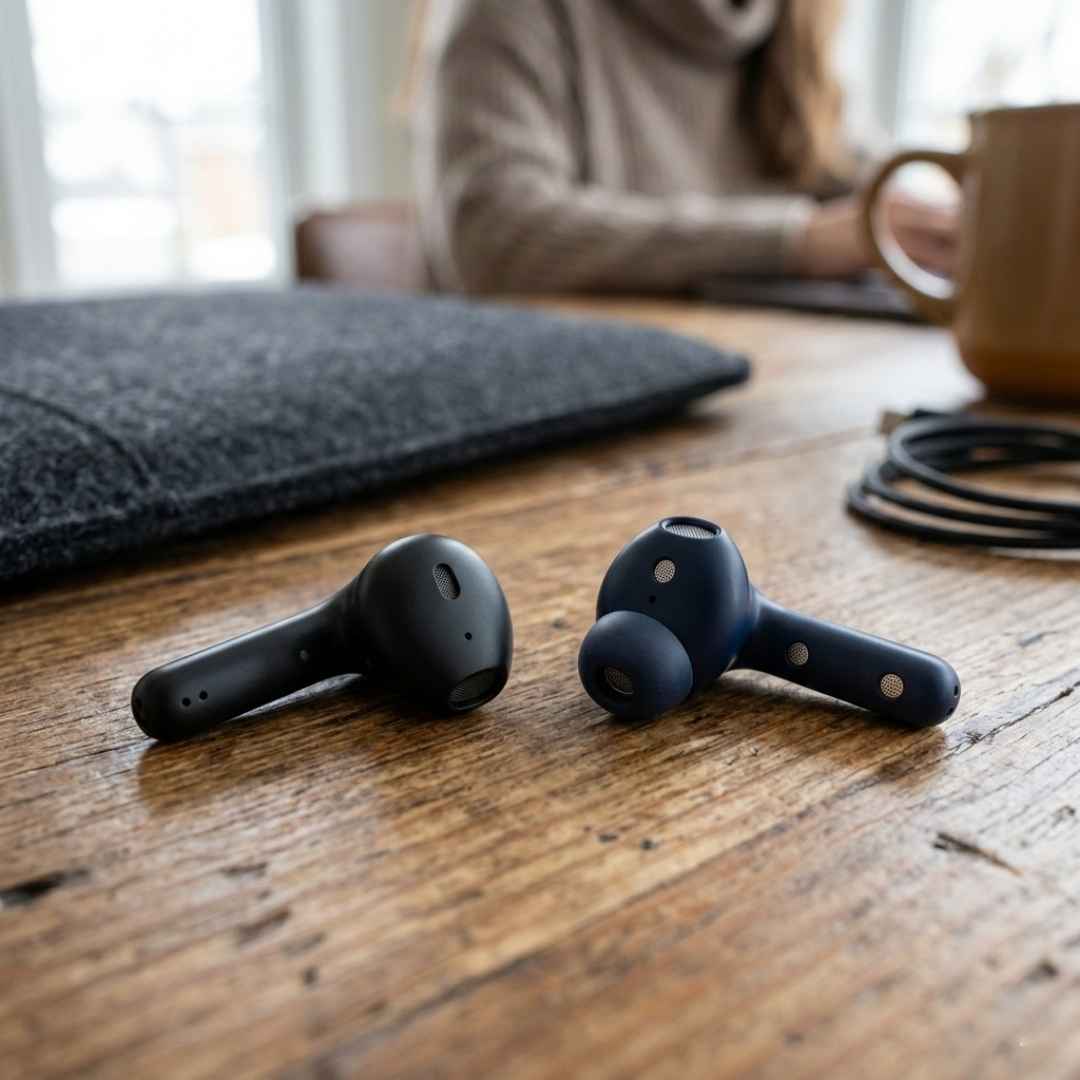
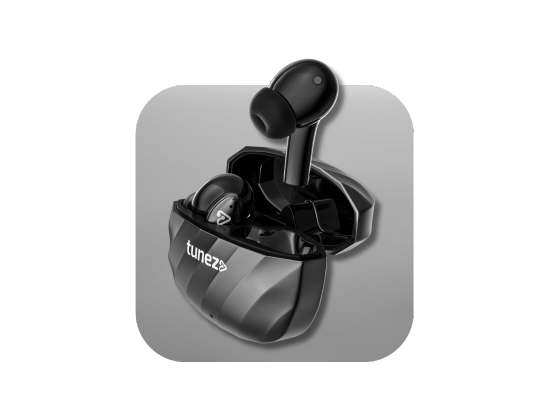
Buy true wireless earbuds and feel the power of freedom with stylish designs balanced audio and compact charging cases to keep you powered up anywhere.
Understanding The Difference Between Bluetooth Versions
When comparing the Difference Between Bluetooth 5.1, 5.2, 5.3, and 5.4, the changes become clearer when looking at their primary focus areas.
Bluetooth Version Comparison
Bluetooth 5.1
Focuses on direction finding and accurate location tracking.
Bluetooth 5.2
Introduces LE Audio and improved audio efficiency for wireless devices.
Bluetooth 5.3
Improves connection stability and reduces interference between devices.
Bluetooth 5.4
Adds smarter communication features for large networks and advanced connectivity.
Although each version introduces new improvements, they remain backward compatible with older Bluetooth devices.
Shop wireless headphones with quick charging extended playtime and balanced sound designed for professionals gamers and everyday listeners alike.
Which Bluetooth Version Is Best For Earbuds And Audio Devices
For everyday audio devices such as wireless earbuds or headphones, Bluetooth 5.2 and newer versions are generally the best choices.
Bluetooth 5.2 supports LE Audio, which helps deliver clearer sound while using less battery power.
Bluetooth 5.3 builds on this by providing stronger and more stable connections, especially in areas where multiple wireless devices are operating simultaneously.
Many modern earbuds now use Bluetooth 5.3 or Bluetooth 5.4 to ensure smoother pairing and fewer connection drops.
Do Newer Bluetooth Versions Improve Sound Quality
A common misconception is that every new Bluetooth version automatically improves sound quality.
In reality, sound quality depends more on audio codecs, drivers, and device design.
However, newer versions like Bluetooth 5.1, 5.2, 5.3, and 5.4 improve how efficiently audio is transmitted, which helps maintain stable connections and better synchronization.
Conclusion
Understanding Bluetooth 5.1, 5.2, 5.3, and 5.4 helps you make better decisions when buying wireless devices. Each version introduced meaningful improvements that enhance wireless communication in different ways.
Bluetooth 5.1 introduced direction finding technology, while Bluetooth 5.2 improved wireless audio with LE Audio. Bluetooth 5.3 refined connection stability, and Bluetooth 5.4 expanded capabilities for large device networks.
For most users, devices running Bluetooth 5.2 or newer provide excellent performance for music, calls, and everyday connectivity. As wireless technology continues evolving, these upgrades ensure smoother and more efficient connections across modern devices.
Shop Bluetooth speakers and unlock immersive audio lightweight portability and reliable performance for music calls and parties at any moment.
Sound quality still depends on codecs, drivers, and the design of the audio device.