





Choosing the right earphones today can feel confusing. Many modern smartphones no longer include a headphone jack, while others still support the traditional connection. This has created an ongoing discussion about Type C earphones vs 3.5mm jack earphones.
Both options offer their own advantages depending on how you use your device. Some people prefer the convenience and universal compatibility of the classic 3.5mm jack, while others enjoy the improved digital audio capabilities of Type C earphones.
Understanding how these two technologies work can help you choose the right option for music, gaming, calls, and daily listening.
Understanding The Evolution Of Wired Earphones
For many years, the 3.5mm headphone jack was the standard connection for audio devices. Phones, laptops, tablets, and music players all supported this universal port.
As smartphones became slimmer and more advanced, many manufacturers began removing the headphone jack to save internal space and improve water resistance. This change introduced a new alternative: Type C earphones.
Today, the comparison between Type C Earphones and 3.5mm Jack earphones often comes down to device compatibility, audio technology, and personal usage habits.
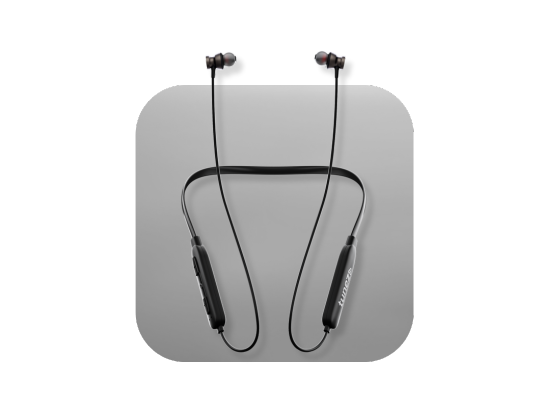
Buy wireless neckbands and unlock superior performance stylish fit and extended playtime that make them the ideal choice for music lovers on the go.
What Are 3.5mm Jack Earphones?
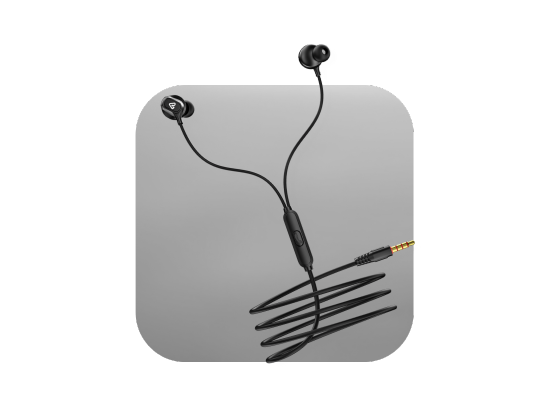
3.5mm jack earphones are the classic wired earphones that connect through a round headphone port found on many older devices. This connection transmits analog audio signals directly from the device to the earphones.
Because the technology has been around for decades, it remains one of the most reliable and widely supported audio connections.
Advantages of 3.5mm Jack Earphones
Many users still prefer this option because of its simplicity and compatibility.
Key benefits include:
• Works with most devices, including laptops and older smartphones
• No battery or charging required
• Durable and reliable connection
• Allows charging and listening at the same time on supported devices
For everyday music listening or calls, these earphones continue to deliver consistent performance.
Limitations of 3.5mm Earphones
Despite their popularity, there are a few drawbacks to consider.
• New smartphones are gradually removing the headphone jack
• Sound quality depends on the phone’s internal audio converter
• Limited support for advanced digital audio features
These limitations have encouraged many users to explore newer alternatives.
What Are Type C Earphones?
Type C earphones connect directly through the USB Type C charging port found on most modern Android smartphones. Instead of sending analog audio signals, they transmit digital audio.
Because of this digital connection, many models include built-in audio processing components that can improve sound clarity.
Advantages Of Type C Earphones
Modern smartphones increasingly support Type-C audio accessories, making these wired earphones more common today.
Key advantages include:
• Digital audio transmission for cleaner sound
• Built-in DAC for improved audio processing
• Better support for advanced features like noise reduction
• Often lower latency for gaming and calls
Many people who compare Type C Earphones and 3.5mm Jack earphones notice that digital audio can provide slightly clearer sound in certain situations.
Limitations Of Type C Earphones
While they offer modern features, they also come with some trade-offs.
• Cannot charge and listen simultaneously without an adapter
• Compatibility limited to devices with Type C ports
• USB ports may wear out faster with frequent use
For users who rely heavily on charging while listening, this can be an important factor.
Buy wireless headphones offering deep bass long battery backup and seamless connectivity to enjoy immersive sound wherever your routine takes you every day.
Key Differences Between Type C and 3.5mm Earphones
Understanding the practical differences can make the decision easier.
Compatibility
3.5mm earphones remain compatible with a wide range of devices, including older phones, laptops, gaming consoles, and audio players.
Type C earphones mainly work with modern smartphones that use USB Type C ports.
Audio Quality
Type C earphones transmit digital signals and often include built-in DAC components, which can improve sound clarity.
3.5mm earphones rely on the device’s internal audio hardware, meaning sound quality varies depending on the phone.
Charging Convenience
With 3.5mm earphones, users can usually charge their device and listen to music at the same time.
Type C earphones share the same port used for charging, which may require a splitter adapter.
Durability
The 3.5mm jack is known for its sturdy design and long-term durability.
Type C ports are more compact but can be slightly more delicate with heavy daily use.
Gaming and Latency
For gaming and video calls, Type C earphones may offer lower latency in certain models due to direct digital signal transmission.
For casual listening, however, the difference is often minimal.
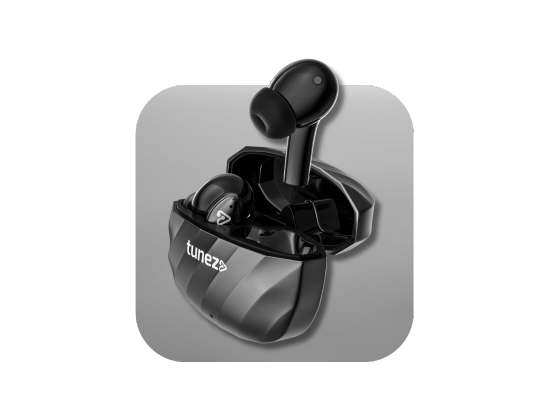
Shop true wireless earbuds with instant pairing lightweight design and powerful bass that make them your go to choice for music and lifestyle use.
Which Earphones Should You Choose?
The right choice ultimately depends on your device and personal listening habits.
Choose Type C earphones if you:
• Use a modern smartphone without a headphone jack
• Prefer digital audio with potentially better clarity
• Want improved features like built-in audio processing
Choose 3.5mm jack earphones if you:
• Use multiple devices, such as laptops and older phones
• Want a simple plug-and-play experience
• Need to charge your phone while listening
Both options can deliver excellent sound when paired with good-quality earphones.
Conclusion
The debate between Type C earphones vs 3.5mm jack earphones is less about which is universally better and more about which suits your lifestyle.
3.5mm earphones continue to offer unmatched compatibility and reliability, making them ideal for users with multiple devices. Meanwhile, Type C earphones represent the modern direction of smartphone audio, providing digital sound transmission and support for newer technologies.
As smartphones continue evolving, both options will remain relevant for different types of users. Understanding their strengths and limitations helps you make a smarter choice for everyday listening.
Shop Bluetooth speakers with powerful bass crystal clear vocals and portable designs that keep your music alive whether indoors or outdoors all day long.