






Wireless headphones have completely changed how people listen to music, attend calls, and enjoy entertainment. From morning workouts and daily commuting to office meetings and relaxing at home, many people now prefer audio devices without cables.
However, when you start searching for types of wireless headphones, the number of options can feel confusing. Different designs and technologies are made for different lifestyles.
In this guide, we explain the different types of wireless headphones, how they work, and how to choose the best one for your daily needs.
How Do Wireless Headphones Work?
Wireless headphones use Bluetooth technology to connect with devices such as smartphones, laptops, tablets, and TVs. Instead of using cables, audio signals are transmitted wirelessly over a short distance.
Most wireless Bluetooth headphones contain three key components:
- Bluetooth chip – Handles the wireless connection with your device
- Rechargeable battery – Powers the headphones for several hours
- Audio drivers – Convert electrical signals into sound
Some advanced models also include features like active noise cancellation, transparency mode, and low-latency audio codecs for better listening experiences.
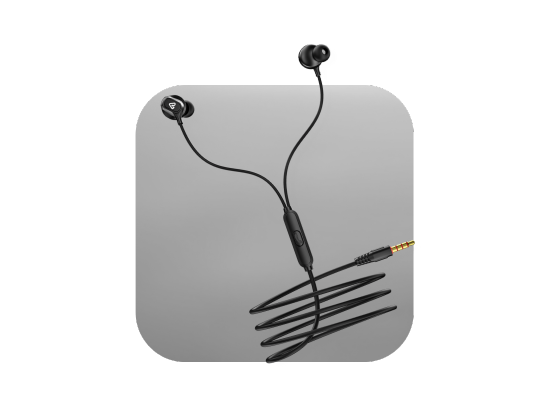
If you prefer budget-friendly audio options, you can explore wired earphones under 500 that combine affordability with durability and reliable sound quality.
Types of Wireless Headphones by Design
Different headphone designs are created for different use cases. Understanding these designs will help you choose the best option for your lifestyle.
In-Ear Wireless Earbuds
In-ear wireless earbuds sit inside your ear canal and usually come with a charging case. They are among the most popular types of wireless headphones because they are compact and easy to carry.
Best for: workouts, commuting, travel, and quick calls
Pros
- Very lightweight and portable
- Good noise isolation
- Easy to carry anywhere
Cons
- Smaller batteries compared to larger headphones
- Some users feel discomfort during very long listening sessions
Open-Ear Wireless Headphones
Open-ear wireless headphones sit outside the ear instead of inside the ear canal. This design allows outside sounds to mix with your music, improving environmental awareness.
Best for: walking, cycling, outdoor activities, office use
Pros
- Comfortable for long listening sessions
- Safer for outdoor environments
- No pressure inside the ear
Cons
- Limited bass performance
- Sound may leak in noisy areas
On-Ear Wireless Headphones
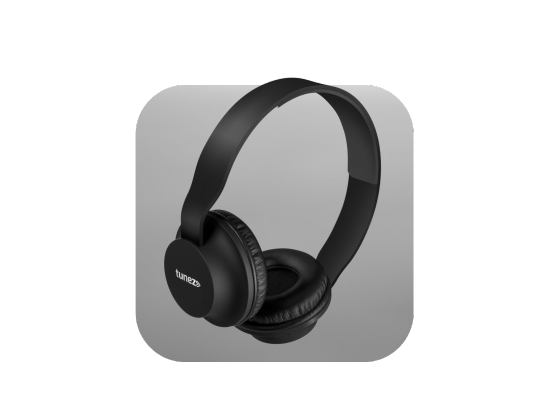
On-ear wireless headphones rest directly on top of the ears rather than covering them completely. They offer a balance between portability and sound quality.
Best for: students, work calls, casual music listening
Pros
- Lightweight and portable
- Better sound quality than most earbuds
- Compact design
Cons
- Moderate noise isolation
- Can press on the ears during long sessions
Over-Ear Wireless Headphones
Over-ear wireless headphones fully surround the ears with large earcups, creating an immersive listening experience.
These are often preferred by music lovers and professionals who want deeper sound quality.
Best for: long listening sessions, travel, gaming, studio use
Pros
- Rich and detailed sound quality
- Strong noise isolation
- Comfortable for long sessions
Cons
- Bulky design
- Less portable compared to earbuds
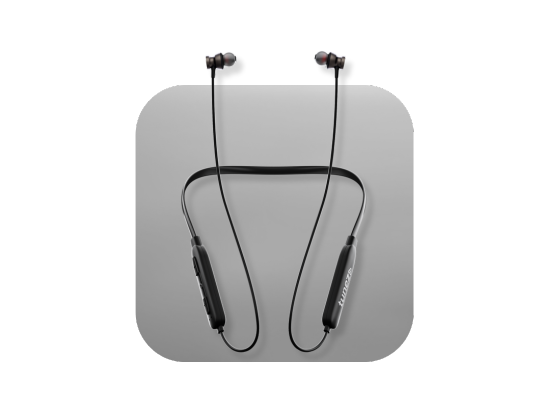
If you prefer flexible audio devices for daily communication, wireless neckbands offer stable connectivity and clear sound for calls and music.
Types of Wireless Headphones by Technology
Apart from design, some wireless headphone types differ based on the technology they use to deliver sound.
Noise-Cancelling Wireless Headphones
Noise-cancelling wireless headphones use built-in microphones and software to reduce background noise.
This technology is especially useful in noisy environments like airplanes, offices, or public transport.
Best for: flights, office work, commuting
Benefits include:
- Reduced background noise
- Better listening clarity
- Ability to listen at lower volumes
Bone Conduction Headphones
Bone conduction headphones transmit sound through vibrations along the cheekbones rather than through the ear canal.
This allows users to hear music while keeping their ears open to the surrounding environment.
Best for: runners, cyclists, outdoor athletes
Pros
- Full environmental awareness
- Secure fit during movement
- Helpful for some hearing conditions
Cons
- Limited bass performance
- Less immersive sound compared to traditional headphones
If you prefer compact audio devices without cables, true wireless earbuds offer convenience and high-quality sound for music, calls, and streaming.
Types of Wireless Headphones by Connectivity
Many users also search for types of wireless Bluetooth headphones based on how they connect or function.
Some common connection styles include:
- True wireless earbuds with no connecting wires
- Neckband-style earbuds connected by a flexible cable
- Wireless headphones with an optional wired mode
Each type offers different benefits depending on your priorities, such as battery life, audio stability, or portability.
How to Choose the Right Wireless Headphones
Before buying wireless headphones, it is important to think about how you will use them daily.
Consider these key factors:
Comfort
If you plan to listen for long hours, choose a design that feels comfortable.
Battery life
Over-ear headphones usually last longer than compact earbuds.
Sound quality
Look for balanced sound with clear vocals and good bass.
Usage scenario
Choose based on your needs, such as fitness, work calls, travel, or entertainment.
The best wireless headphones type depends on your lifestyle rather than just technical specifications.
Conclusion
Wireless headphones come in many different forms, each designed to solve specific listening needs. Some focus on portability, while others prioritize sound quality or environmental awareness.
By understanding the different types of wireless headphones, you can choose an audio device that truly fits your lifestyle.
Whether you prefer compact earbuds, comfortable over-ear headphones, or awareness-focused open-ear designs, the right choice can make your everyday listening experience more enjoyable.
For outdoor entertainment and gatherings, Bluetooth speakers offer powerful sound with portability and durability.