









Bluetooth headphones have quietly become part of our daily routines. Morning workouts, office calls, late night music, and long travel hours often happen with earbuds sitting close to our heads. As wireless use increases, it’s only natural for people to wonder if Bluetooth headphones emit radiation and what that might mean for long-term health.
The short answer is yes, they emit radiation, but understanding what kind and how much makes all the difference. Let’s break it down calmly, clearly, and based on real science rather than internet fear.
What Does Radiation Actually Mean Here
When people hear the word radiation, they often think of nuclear energy or X-rays. In reality, radiation simply means energy traveling through space.
Bluetooth devices emit non-ionizing radiation, which is very different from harmful ionizing radiation.
Types of Radiation Explained
Ionizing radiation
- X-rays and gamma rays
- Can damage DNA
- Linked to cancer risk at high exposure
Non-ionizing radiation
- Bluetooth, Wi Fi, radio waves
- Cannot damage DNA
- Considered low energy and regulated
Bluetooth headphones fall firmly into the second category.
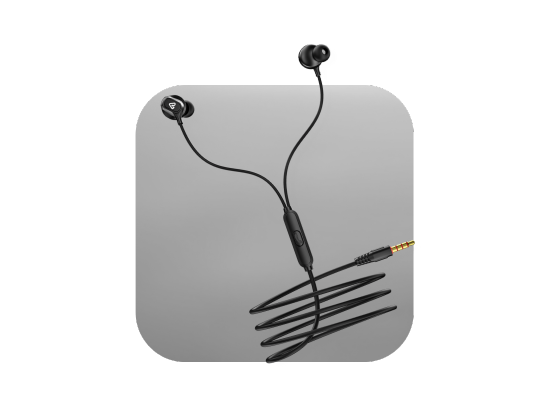
Browse a wide range of wired earphones under 500 and find the ideal pair designed for comfort style and balanced sound that makes every beat feel alive.
Do Bluetooth Headphones Emit Radiation?
Yes, Bluetooth headphones emit low-level radio frequency energy that allows them to communicate with your phone or laptop. This means they do use radiation, but the power involved is extremely low and well within accepted safety limits.
To put it into perspective, Bluetooth devices operate at a power level far lower than smartphones.
How Bluetooth Radiation Compares
- Bluetooth headphones use milliwatts of power
- Smartphones emit significantly higher levels during calls
- Bluetooth signals weaken rapidly with distance
Even with earbuds close to your ears, the exposure remains minimal and within global safety limits.
Do Headphones Emit Radiation Compared To Other Devices
Many people also ask whether headphones emit radiation in general, including wired ones. The answer depends on the type.
Wired headphones
- Do not transmit wireless signals
- It can carry tiny electromagnetic signals from the phone
- Exposure is negligible
Wireless headphones
- Emit low-level radio frequency radiation
- Still far below regulated safety thresholds
In daily life, your Wi Fi router or phone often exposes you to more radiation than Bluetooth headphones.
Buy wireless neckbands and unlock superior performance stylish fit and extended playtime that make them the ideal choice for music lovers on the go.
What Experts And Health Organizations Say
Global health authorities have studied radio frequency exposure for decades.
- The World Health Organization classifies Bluetooth radiation as low risk
- The FCC limits device exposure using SAR values
- Bluetooth headphones stay well below those limits
Most experts agree there is no strong evidence linking Bluetooth headphone use to cancer or brain damage.
That said, long-term research is ongoing, which is normal for any widely used technology.
Is Prolonged Use A Real Concern
While radiation risk remains low, prolonged headphone use can still cause other issues that matter more in real life.
Potential Non-Radiation Risks
- Hearing damage from high volume
- Ear fatigue from long wearing time
- Bacterial buildup if not cleaned
These risks are far more common than radiation-related problems and deserve more attention.
Simple Ways To Use Bluetooth Headphones Safely
If you want peace of mind without giving up convenience, small habits go a long way.
- Keep volume below 60 percent
- Take breaks every hour
- Avoid sleeping with earbuds daily
- Turn off Bluetooth when not in use
- Choose certified devices from trusted brands
These steps reduce overall exposure and improve ear health at the same time.
Browse high performance true wireless earbuds that bring you advanced features sleek designs and clear sound for an unmatched audio experience anywhere.
Bluetooth Headphones Vs Everyday Radiation Exposure
We are surrounded by wireless signals every day.
- Wi Fi routers run 24 hours
- Mobile towers transmit constantly
- Smartphones emit higher radiation during calls
Compared to these, Bluetooth headphones contribute only a small fraction to total exposure.
Common Myths That Cause Unnecessary Fear
Some viral posts claim Bluetooth radiation travels directly into the brain or causes tumors. These claims lack scientific backing.
Bluetooth signals:
- Do not penetrate deeply
- Lose strength rapidly
- Stay far below harmful energy levels
Fear often spreads faster than facts, especially online.
Conclusion
So, do Bluetooth headphones emit radiation? Yes, but the type and amount matter far more than the word itself. Bluetooth headphones emit low-level non-ionizing radiation that current research considers safe when used responsibly.
If you focus on volume control, break frequency, and quality devices, you can enjoy wireless freedom without constant worry. In today’s connected world, informed use matters more than fear.
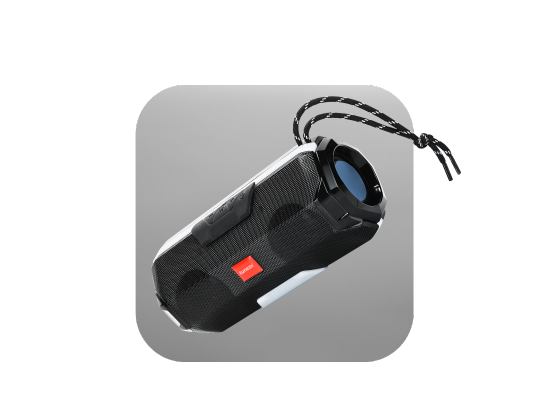
Browse Bluetooth speakers built for crystal clear audio deep bass and portability making them a must have accessory for music lovers everywhere.