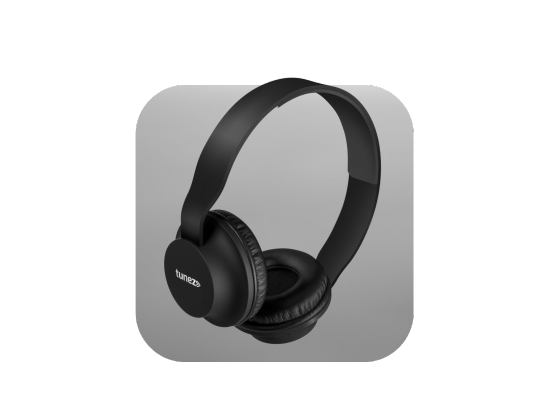






Choosing the right headphones is not just about sound. It is about how they fit into your daily life. Whether you are working from home, commuting, or relaxing with music, the type of headphones you choose can completely change your experience.
Many people get stuck between on-ear and over-ear headphones because they look similar at first glance. But once you wear them, the difference becomes clear.
In this guide, we will break down everything you need to know so you can confidently pick the right one for your needs.
Understanding The Basics of Headphone Types
Before diving into comparisons, it helps to understand what makes each type unique.
What Are over-ear headphones?
Over-ear headphones are designed with large cushioned ear cups that fully surround your ears.
They create a seal around your ears, which helps block outside noise and deliver a more immersive sound experience.
What are on-ear headphones?
On-ear headphones sit directly on your ears instead of covering them.
They are smaller, lighter, and often more portable, making them a popular choice for people on the move.
Key Differences Between On-Ear and Over-Ear Headphones
When comparing the differences between on-ear and over-ear, it all comes down to comfort, sound, and usage.
Comfort and Fit
Comfort is one of the biggest deciding factors, especially if you use headphones for long hours.
Over-ear headphones
- Wrap around your ears without pressing them
- Ideal for long listening sessions
- Better for people wearing glasses or earrings
On-ear headphones
- Sit directly on the ears
- Can cause pressure after extended use
- Lightweight and less bulky
If you often listen for hours while working or gaming, over-ear models usually feel more relaxing.
Sound Quality and Experience
Sound is where the real difference becomes noticeable.
Over-ear headphones
- Deliver deeper bass and richer sound
- Create a wider and more immersive soundstage
- Better for movies, music, and studio work
On-ear headphones
- Offer balanced sound but less depth
- Slightly more treble focused
- Suitable for casual listening
If audio quality is your top priority, over-ear headphones usually win.
Noise Isolation and Leakage
Noise control plays a big role in your listening experience.
Over-ear headphones
- Provide strong passive noise isolation
- Often includes advanced noise cancellation
- Minimal sound leakage
On-ear headphones
- Allow more external sound in
- Leak more audio at higher volumes
- Better if you want awareness of surroundings
For noisy environments like flights or busy offices, over-ear headphones are the better choice.
Portability and Convenience
If you are always on the move, size matters.
On-ear headphones
- Compact and easy to carry
- Lightweight design
- Ideal for travel and commuting
Over-ear headphones
- Bulkier and heavier
- Require more space in bags
- Better suited for home or office use
If portability is important, on-ear headphones are more practical.
Real Life Use Cases To Help You Decide
Sometimes the best way to choose is by thinking about your daily routine.
For Work From Home or Office
If you attend long meetings or focus deeply on tasks, over-ear headphones provide comfort and better isolation.
For Travel And Commuting
On-ear headphones are easier to carry and quicker to use when you are constantly moving.
For Music Lovers and Audiophiles
Over-ear headphones offer a more detailed and immersive experience, especially for high quality audio.
For Casual Everyday Use
On-ear headphones strike a balance between performance and convenience.
Pros And Cons At A Glance
Over-Ear Headphones
Pros
- Superior comfort for long use
- Better sound quality and bass
- Excellent noise isolation
Cons
- Bulky and less portable
- Can feel warm during extended use
On-Ear Headphones
Pros
- Lightweight and compact
- Easy to carry anywhere
- More breathable design
Cons
- Can cause ear fatigue
- Less immersive sound
- More sound leakage
How To Choose The Right Headphones For You
Choosing between on-ear and over-ear headphones depends on your priorities.
Ask yourself these simple questions
- Do you need comfort for long hours
- Do you travel frequently
- Do you care more about sound quality or portability
If comfort and sound matter most, go for over ear.
If convenience and portability are key, on-ear is the better option.
Conclusion
There is no one-size-fits-all answer when it comes to headphones. Both styles have their strengths, and the best choice depends on how you plan to use them.
Over-ear headphones are perfect for immersive listening, long work sessions, and high quality audio. On-ear headphones, on the other hand, are ideal for people who need something lightweight and travel-friendly.
In the end, the best headphones are the ones that fit your lifestyle, not just your ears.