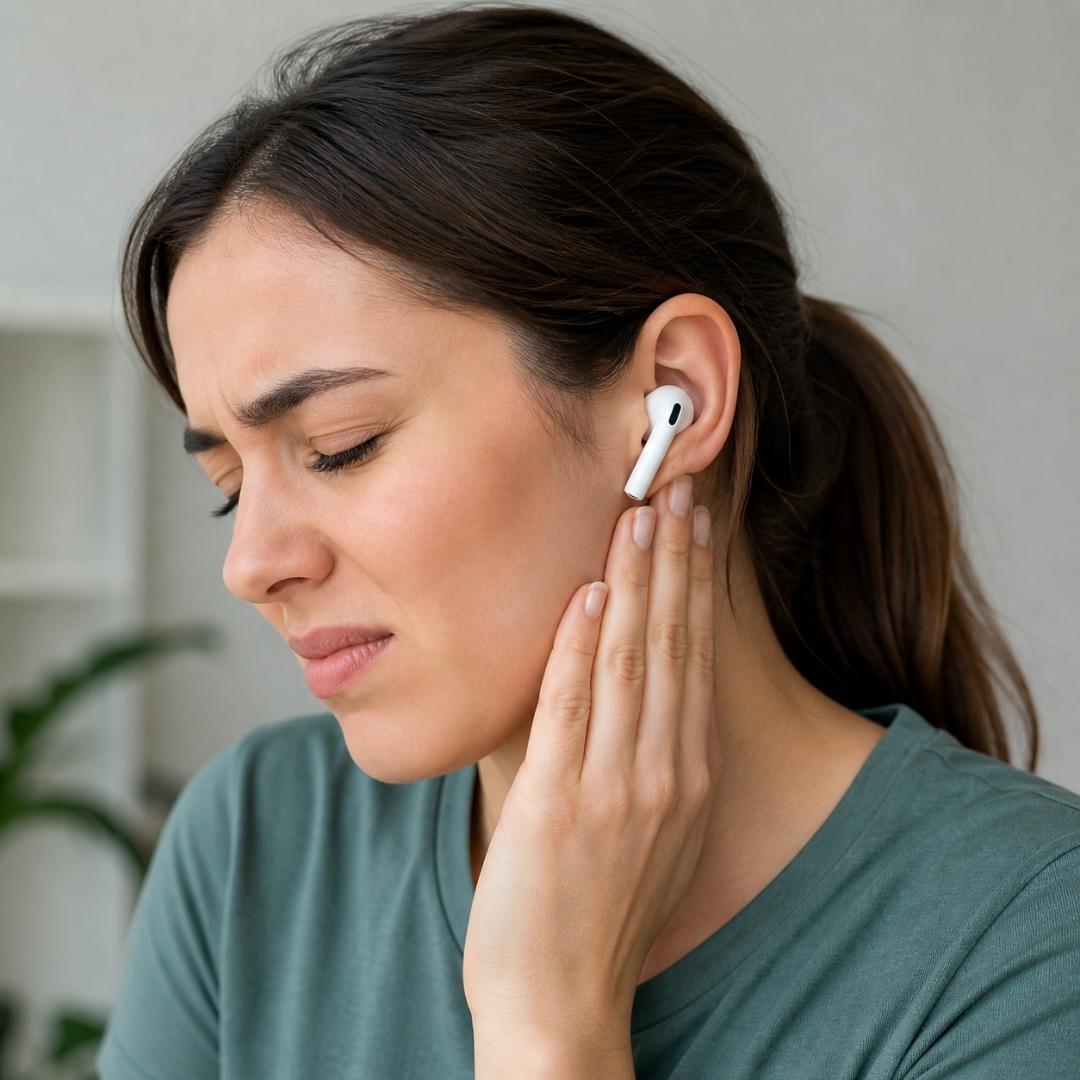
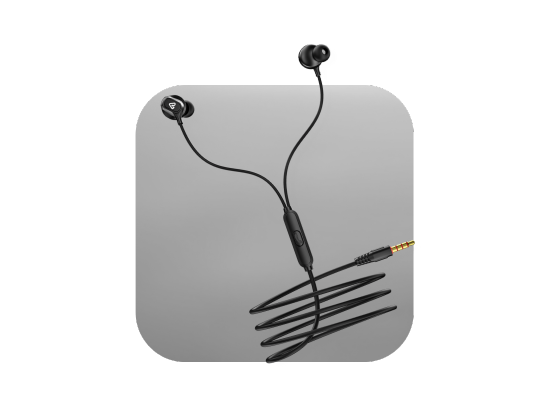
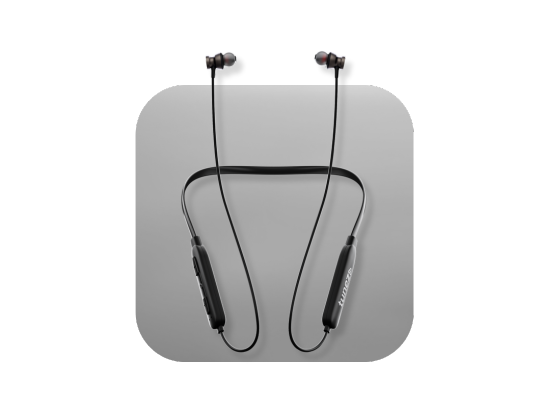
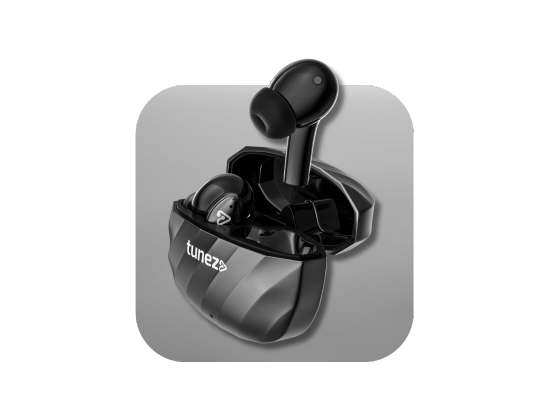






You buy a new pair of earbuds, they look stylish, sound decent, but after 20 minutes, they start to hurt or slip out. Sound familiar?
Most people think it’s a quality issue, but in reality, it often comes down to the shape. Understanding the types of earbud shapes can completely change how your earbuds feel and perform.
The right shape improves comfort, enhances sound, and makes everyday use much easier. Let’s break it down in a simple and practical way.
Why Earbud Shape Matters More Than You Think
Many users focus only on battery life or bass, but shape plays a bigger role than expected.
A proper fit directly affects:
- Sound clarity and bass response
- Stability during movement
- Comfort during long listening sessions
Even premium earbuds can feel uncomfortable or sound weak while wearing earbuds if the shape does not match your ears.
Main Types Of Earbud Shapes
In-Ear Canal Sealing Earbuds
They go deep into the ear canal and create a tight seal using soft eartips for earbuds.
They deliver immersive sound with strong bass and effective noise isolation.
Best for:
- Travel and commuting
- Movies and gaming
- Focused listening in noisy areas
They may feel tight for some users if worn for long periods.
Stemmed Stick Earbuds
These earbuds feature a small stem that extends downward from the ear.
They offer a secure fit and better microphone placement, improving call clarity.
Best for:
- Calls and meetings
- Daily use
- Balanced performance
They combine functionality with a modern design.
Bean-Shaped or Bud-Style Earbuds
These are compact, rounded earbuds that sit naturally inside the outer ear.
They usually do not go too deep, making them more comfortable for extended use.
Best for:
- Casual listening
- Long hours of use
- Users who prefer a lighter fit
They provide comfort but slightly less noise isolation.
Half In Ear Earbuds
These sit at the entrance of the ear canal without fully sealing it.
They offer a balance between comfort and sound performance.
Best for:
- Office work
- Calls and podcasts
- Users who dislike deep insertion
They feel more breathable compared to fully sealed designs.
Open Ear or Clip-On Earbuds
These Open-Ear earbuds do not go inside the ear at all. Instead, they rest outside or clip onto the ear.
They allow you to hear surrounding sounds while listening.
Best for:
- Outdoor use
- Walking or cycling
- All day comfort
They sacrifice bass depth but improve safety and awareness.
Bone Conduction Earbuds
These use vibrations through the cheekbones instead of entering the ear canal.
Your ears remain open while still receiving sound.
Best for:
- Outdoor activities
- Safety-conscious users
- People with ear sensitivity
The listening experience is different but improving with newer models.
How To Choose The Right Earbud Shape
For Work and Calls
Choose stemmed or half in ear designs. They provide comfort and clear voice pickup for long calls.
For Travel and Noise Isolation
In-ear sealing earbuds are ideal. They block outside noise and improve focus during travel.
For Fitness and Movement
Go for secure designs, like in-ear or clip-on earbuds. They stay stable during workouts.
For All Day Comfort
Bean-shaped or open ear designs work best. They reduce pressure and feel lighter over time.
For Outdoor Safety
Open-ear and bone conduction earbuds are the safest choices. They keep you aware of your surroundings.
Common Mistakes When Choosing Earbuds
Many users face issues because of simple mistakes:
- Choosing a design based on looks only
- Ignoring ear size differences
- Using incorrect ear tip sizes
- Wearing tight earbuds for long hours
Fixing these mistakes can instantly improve your experience.
Real Life Scenario
Imagine someone working from home for 6 to 8 hours daily.
Using tight in-ear earbuds may cause discomfort in the evening. But switching to half in-ear or open-ear designs can make the same routine much more comfortable.
This shows how choosing the right earbud shape directly impacts daily comfort.
Quick Comparison of Earbud Shapes
| Shape Type | Comfort | Sound Isolation | Best Use |
| In Ear | Medium | High | Travel, music |
| Stemmed | Medium | Medium | Calls, daily use |
| Bean Shaped | High | Medium | Long listening |
| Half In Ear | High | Low | Office use |
| Open Ear | Very High | Low | Outdoor safety |
| Bone Conduction | High | Very Low | Fitness, awareness |
Conclusion
Choosing the right earbuds is not just about features or brand. It starts with understanding the types of earbud shapes and how they fit your lifestyle.
Whether you want immersive sound, long-term comfort, or better safety outdoors, there is a shape designed for your needs.
A small change in design can make a big difference in how your earbuds feel and perform every day.