











Bass is the heartbeat of sound. It is what makes music feel alive, movies feel powerful, and even simple sounds feel fuller. Without bass, audio can feel empty and flat. But when it is done right, bass gives sound its depth, warmth, and emotional pull.
Understanding what bass in audio can completely change how you experience music, movies, and everyday listening.
Understanding Bass In Audio
Bass in audio refers to the low-frequency sounds that sit at the bottom of the sound spectrum, usually between 20 Hz and 250 Hz. These frequencies create the deep, rumbling tones you don’t just hear, but also feel.
Think about the low thump of a drum or the deep hum in a movie explosion. That physical vibration you feel in your chest is bass working its magic.
Bass is not just about loudness. It is about adding body and fullness so that the audio feels complete instead of thin.
What Bass Means In Music
In music, the bass acts like the backbone of a song. It connects rhythm and melody, giving tracks movement and structure. Without bass, even the best vocals and melodies can feel weak.
Common instruments that produce bass include:
- Bass guitar
- Kick drum
- Synth bass
- Low piano notes
A strong bassline creates a groove. It makes you tap your feet, nod your head, and feel connected to the beat.
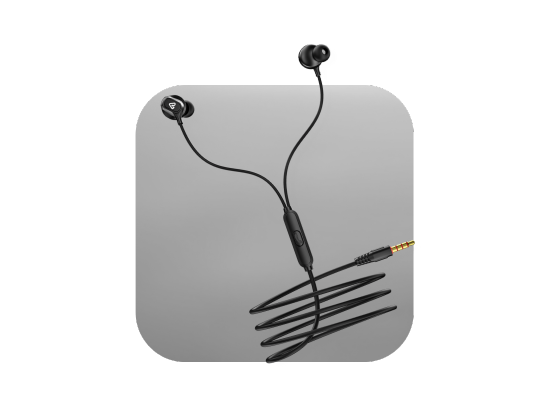
Get wired earphones under 500 that combine affordability with durability ensuring long lasting performance and unmatched sound for your favorite playlists.
How Bass In Audio Affects Listening Experience
The quality of bass directly shapes how enjoyable the sound feels. Whether you use headphones, speakers, or a home theatre system, bass in audio plays a major role in how rich and immersive the sound becomes.
Good bass adds:
- Depth and warmth
- A sense of space
- Emotional impact
Poor bass can ruin the experience by making the sound dull or distorted.
The Importance of Balanced Bass
Great audio is about balance. Bass should work with mids and highs, not overpower them.
A balanced bass experience gives:
- Clear vocals
- Crisp instruments
- Strong but controlled low frequencies
This balance is key to delivering excellent bass sound quality.
Too Much Bass And Its Problems
When the bass is boosted too much, the sound becomes muddy. Instead of clarity, you get distortion.
Common issues with excessive bass:
- Vocals become hard to understand
- Instruments blend together
- Sound loses detail
Too Little Bass and Its Impact
When the bass is too weak, the audio feels empty and cold. Music loses its energy, and movies feel less dramatic.
Low bass results in:
- Thin sound
- Weak impact in action scenes
- Less engaging music experience
Buy wireless neckbands for seamless audio performance combining clear sound deep bass and long battery life for an all day listening experience you will love.
Bass Performance In Different Audio Devices
Different devices handle bass differently, and this changes how you experience sound.
Bass In Headphones
Headphones are designed to deliver bass directly to your ears. High-quality models can produce deep, tight bass without overpowering other sounds.
Good headphones focus on:
- Controlled bass impact
- Clear mids and highs
- Immersive listening feeling
This balance is what gives modern listeners a powerful yet clean bass sound quality.
Bass In Portable Speakers
Portable speakers have limited space, making deep bass harder to achieve. However, new speaker designs use smart sound chambers and bass enhancement features to create fuller sound.
They aim to deliver:
- Surprisingly low-end for their size
- Clear sound without crackling
- Balanced outdoor listening
Bass In Home Theatre Systems
Home theatre systems usually use subwoofers to handle bass. These dedicated speakers are built to move air and produce powerful low sounds.
A good subwoofer adds:
- Realistic explosions in movies
- Cinematic rumble
- A theatre-like experience at home
Buy true wireless earbuds that combine long battery life quick pairing and stylish design so you enjoy nonstop entertainment with no wires holding you back.
Why Bass Matters In Music And Movies?
Bass is what makes sound feel emotional and real. In music, the bass drives the rhythm and keeps the energy alive. In movies, bass turns simple scenes into powerful moments.
Think of an action movie without deep explosion sounds or a dance track without a punchy beat. It would feel incomplete.
When the bass in audio is tuned properly, it brings stories, emotions, and excitement to life.
How To Improve Bass Sound Quality?
You don’t need expensive gear to enjoy better bass. Small changes can create big improvements.
Try these tips:
- Adjust equalizer settings carefully
- Use properly fitting ear tips or headphones
- Avoid extreme bass boost presets
- Choose audio devices known for balanced tuning
These steps help maintain a strong and clean bass sound quality without distortion.
Conclusion
Understanding what bass in audio helps you hear sound the way it was meant to be heard. Bass adds warmth, depth, and energy that turns ordinary audio into an immersive experience.
Whether you are listening to music, watching movies, or gaming, balanced bass in audio ensures that the sound feels rich and lifelike. When tuned correctly, great bass does not overpower; it completes the sound.
Buy wireless headphones offering deep bass long battery backup and seamless connectivity to enjoy immersive sound wherever your routine takes you every day.