






Fast charging has quietly changed how we use our phones, laptops, and everyday gadgets. Plug in for a few minutes, and suddenly you have hours of power. But behind this convenience are two popular technologies that many people hear about but rarely understand clearly.
If you have ever wondered what is PD and QC charging, how they differ, and which one actually matters for your device, this guide breaks it down in a simple and practical way.
Understanding Fast Charging Basics
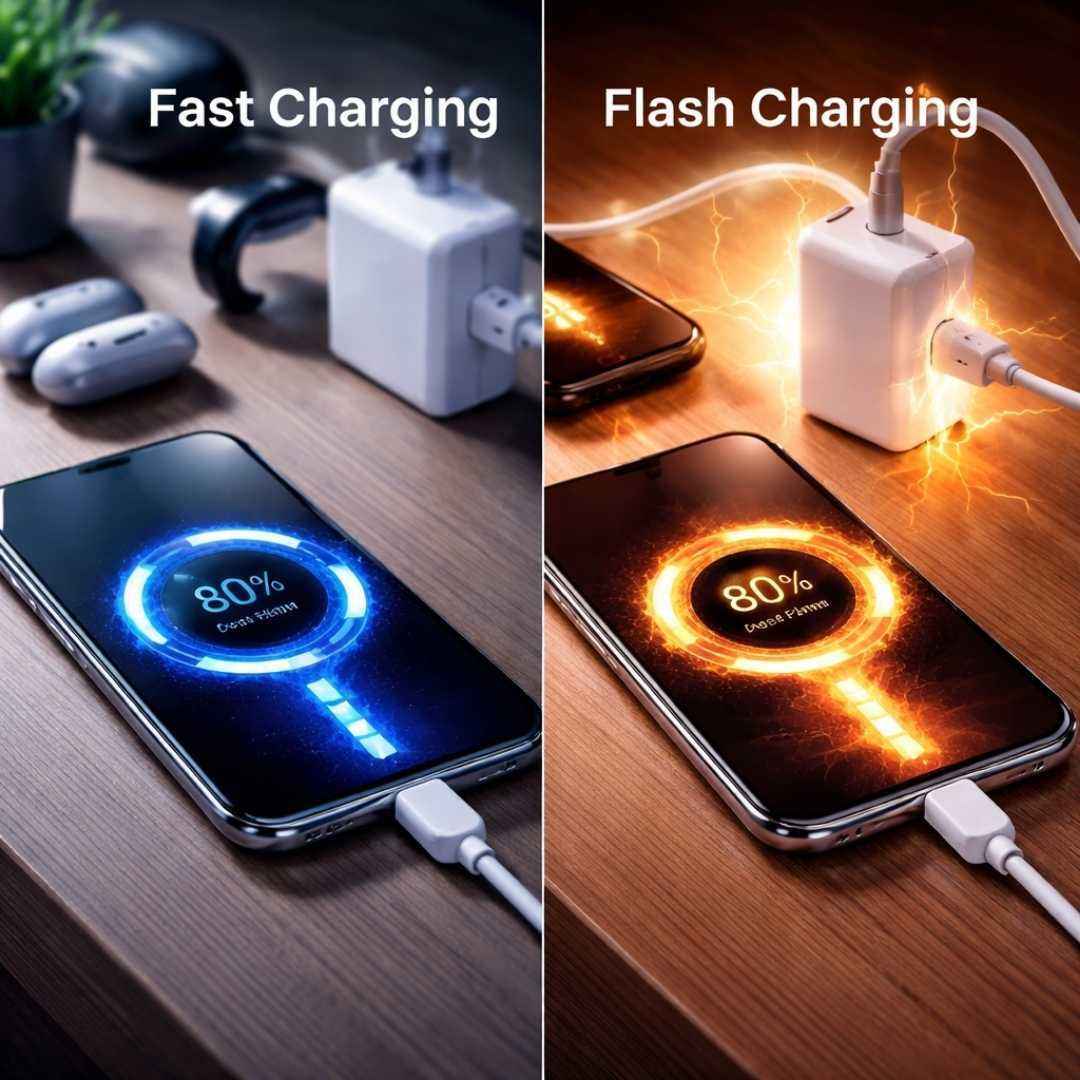
Fast charging works by delivering more power safely to your device. Instead of sending the same low energy all the time, the charger and device communicate and agree on the best power level.
There are two main ways this happens
• Optimising current flow
This smart negotiation is what separates modern fast charging from older USB charging.
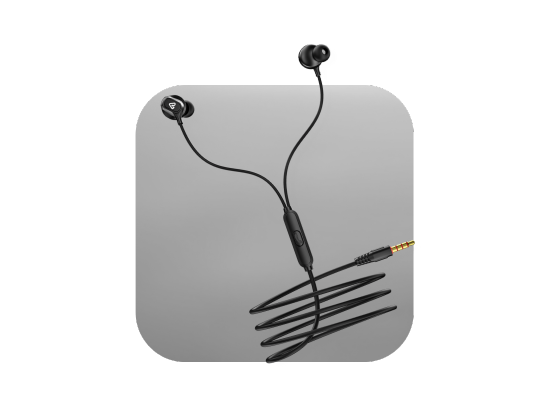
Shop wired earphones under 500 and enjoy detailed sound and strong build quality so you never miss a beat while working traveling or relaxing at home.
What is Power Delivery Charging
Power Delivery, commonly called PD, is a universal charging standard created by the USB Implementers Forum. It is designed to work across many devices using USB C connections.
PD focuses on flexibility and safety. Your device asks for the power it needs, and the charger responds accordingly.
Key Features of PD Charging
• Supports a wide range of power levels
• Adjusts power dynamically to protect battery health
Because of this versatility, PD and QC charging comparisons often show PD as the more future-ready option.
How Much Power Can PD Deliver
PD supports common voltage levels like 5V, 9V, 15V, and 20V. With newer standards, it can deliver up to 240W for high-power devices like laptops and monitors.
That makes PD ideal if you want one charger for multiple gadgets.
Shop wireless neckbands and enjoy hands free convenience powerful sound and flexible design that enhances your audio experience during work or leisure time.
What is Qualcomm Quick Charge
Quick Charge, or QC, is a fast charging technology developed by Qualcomm. It is primarily designed for devices powered by Snapdragon processors.
QC focuses on charging phones quickly by increasing voltage in controlled steps, allowing faster power delivery without overheating.
Key Features of QC Charging
• Supports both USB A and USB C ports
• Delivers fast power bursts for quick top-ups
Many Android smartphones still rely on pd and qc compatibility to get the best charging speed.
How Quick Charge Evolves
QC has gone through multiple versions, each improving efficiency and safety. Newer versions can exceed 100W and include advanced protections against heat and voltage spikes.
Modern QC chargers often support PD as well, making them more flexible.
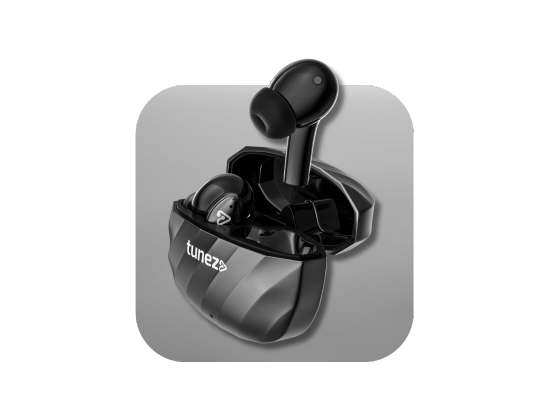
Shop true wireless earbuds with instant pairing lightweight design and powerful bass that make them your go to choice for music and lifestyle use.
Difference Between PD and QC Charging
While both technologies aim to charge faster, they are built with different priorities.
Compatibility and Use Cases
PD is universal and works well with laptops, tablets, and phones from many brands. QC shines with Snapdragon-powered phones, where it can deliver optimised speeds.
Power and Voltage Handling
PD offers a broader voltage range and higher maximum power. QC focuses on faster voltage switching to quickly refill phone batteries.
Ports and Cables
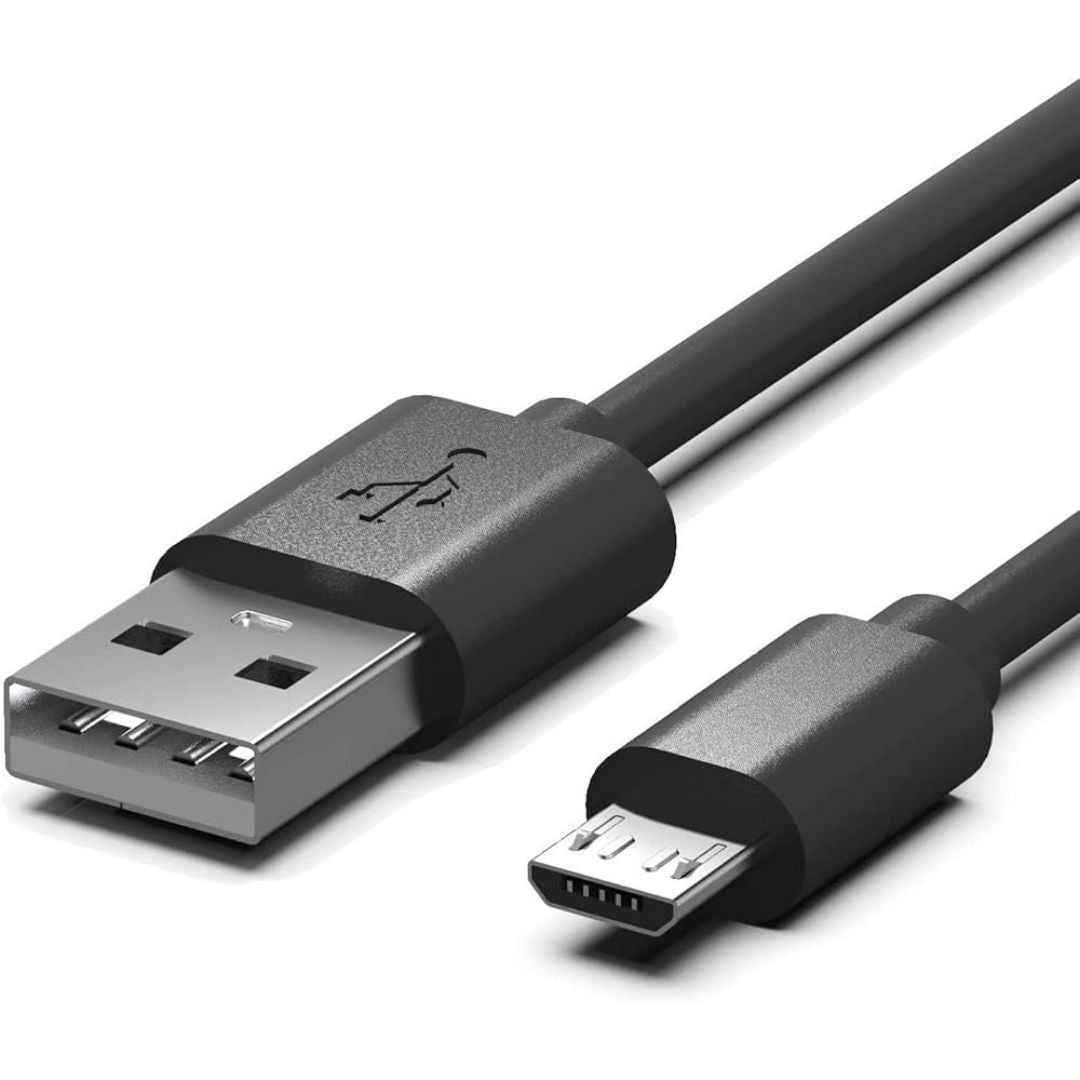
PD mainly uses USB-C ports. QC works with both USB-A and USB-C, making it more flexible with older accessories.
This is why many chargers today advertise support for PD and QC charging together.
Which Charging Standard Should You Choose?
The right choice depends on how you use your devices.
If you charge laptops, tablets, and phones with one adapter, PD is the better option. It simplifies your setup and prepares you for future devices.
If you mainly charge a Snapdragon powered phone and want quick boosts, QC performs exceptionally well.
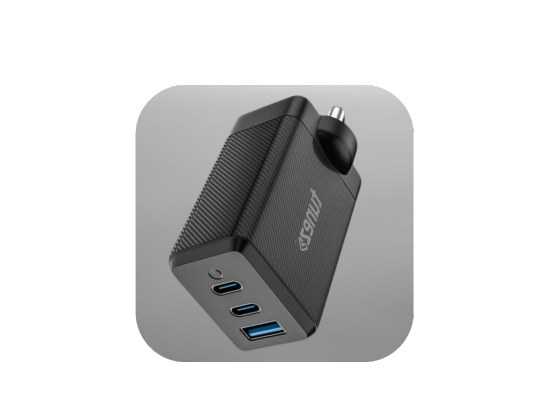
For most users, a charger that supports PD and QC is the smartest and safest investment.
Shop Bluetooth speakers and unlock immersive audio lightweight portability and reliable performance for music calls and parties at any moment.
Real Life Example To Make It Clear
Imagine travelling with one charger. You plug in your laptop at night using PD, then top up your phone in the morning using QC. One charger adapts to both needs without compromise.
That convenience is why these standards matter more than brand names or watt numbers alone.
Conclusion
Understanding what PD and QC charging are helps you make smarter choices and avoid slow charging surprises. PD stands out for universality and high-power devices, while QC excels at fast phone charging with Qualcomm optimisation.
As charging technology continues to evolve, the gap between PD and QC keeps shrinking. Choosing a charger that supports both ensures speed, safety, and flexibility for years to come.
Shop wireless headphones with quick charging extended playtime and balanced sound designed for professionals gamers and everyday listeners alike.