








Sound has always been part of our daily lives, but it has usually stayed flat. Left speaker, right speaker, headphones in, world out. Then came a new way of listening that made people pause mid-movie or turn their heads during a song. That moment of surprise is often the first real encounter with what is spatial audio.
Spatial audio is not about louder sound or heavier bass. It is about realism. It makes audio feel placed in space, as if it exists around you rather than inside your ears. Let’s break it down in a way that actually makes sense.
Understanding Spatial Audio
Spatial audio is a sound technology that creates a three-dimensional listening experience. Instead of audio coming only from left and right, sounds appear to come from in front of you, behind you, above you, or even moving past you.
It mirrors how humans naturally hear the world. In real life, your brain constantly tracks where sounds come from. Spatial audio recreates that effect using software and smart audio processing.
In simple terms, Spatial Audio makes sound feel more lifelike and immersive.
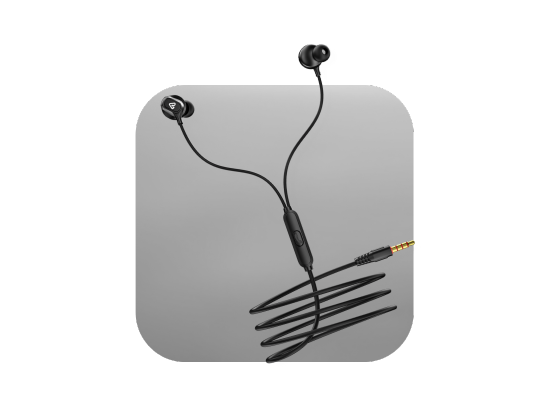
Buy top quality wired earphones under 500 and experience rich bass and sharp vocals without overspending making them perfect for travel music or study sessions.
How Spatial Audio Works In Real Life?
To understand spatial audio, think about how you hear footsteps behind you or a voice calling from another room. Your brain uses timing, distance, and direction cues.
Acoustic Modeling And HRTF
Spatial audio uses something called head-related transfer functions. This models how your head, ears, and upper body shape sound before it reaches your brain.
That is why a sound can feel close, far, above, or behind, even through headphones.
Virtual Surround Sound
Instead of using multiple physical speakers, spatial audio applies filters and timing delays. This creates the illusion of many speakers around you using just two earbuds or headphones.
Head Tracking Technology
Some devices include motion sensors. When you turn your head, the sound stays anchored in space. If dialogue is meant to be in front of you, it remains there even when you move.
This is one reason spatial audio feels so natural during movies and shows.
Spatial Audio Vs Stereo And Surround Sound
Traditional audio formats have limits that spatial audio breaks through.
- Stereo sound plays left and right
- Surround sound adds direction using multiple speakers
- Spatial Audio adds height, depth, and movement
The key difference is flexibility. Spatial audio can work through headphones, soundbars, or compact speakers without a fixed listening position.
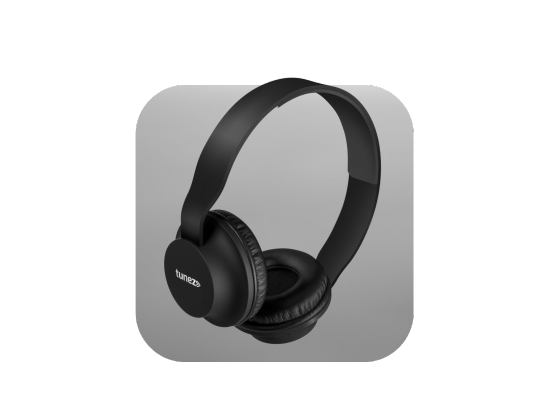
Buy wireless neckbands for seamless audio performance combining clear sound deep bass and long battery life for an all day listening experience you will love.
Where Spatial Audio Makes The Biggest Difference
Not every situation needs spatial sound, but some experiences truly shine with it.
Movies And TV Shows
Action scenes feel larger. Dialogue feels placed naturally. Explosions move through space instead of hitting both ears at once.
It often reduces the need for subtitles because voices sound clearer and more focused.
Music Listening
In spatial mixes, instruments feel separated instead of stacked. Vocals sit in front while guitars or background effects wrap around you.
It feels less like listening to a recording and more like standing inside the performance.
Gaming And Virtual Worlds
Directional audio helps players react faster. Footsteps, reloads, and environmental cues become easier to locate.
Spatial audio adds realism without needing a full speaker setup.
Work And Virtual Meetings
Voices coming from different directions make group calls easier to follow. It reduces listening fatigue during long meetings.
What Devices Support Spatial Audio?
Spatial audio is no longer limited to expensive home theaters. Many everyday devices support it today.
- Wireless earbuds and headphones
- Smartphones and tablets
- Soundbars and smart speakers
- Gaming consoles and VR headsets
Support depends on both the device and the content. Some platforms offer spatial audio mixes, while others enhance regular stereo content automatically.
Buy true wireless earbuds that combine long battery life quick pairing and stylish design so you enjoy nonstop entertainment with no wires holding you back.
Is Spatial Audio Always Better
Spatial audio can feel impressive, but it is not magic for every situation.
For podcasts or voice-only content, stereo often works just fine. Poorly mixed spatial tracks can feel distracting rather than immersive.
The best experience comes from well-tuned hardware and properly mixed content.
Conclusion
So, what is Spatial Audio really about? It is about bringing sound closer to how we experience the real world. Instead of sound being pushed into your ears, it is placed around you.
Whether you are watching a movie, listening to music, gaming, or working, Spatial Audio adds depth, direction, and realism that traditional audio simply cannot match. It is not a gimmick. When done right, it quietly changes how sound feels, and once you notice it, going back feels surprisingly flat.
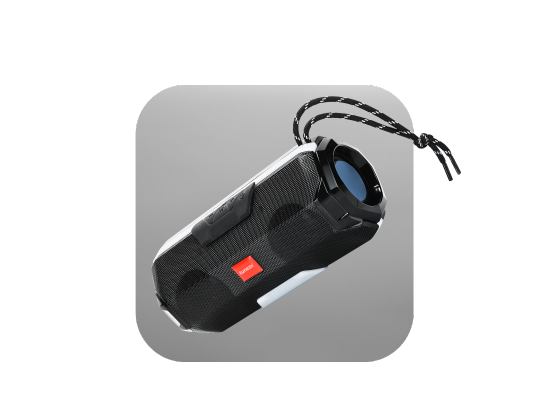
Buy Bluetooth speakers that combine wireless convenience with rich sound and durable build perfect for travel parties and everyday use wherever you are.