








You are shopping for speakers and suddenly see numbers like 50W, 200W, or even 1500W. It feels confusing. Does higher wattage mean louder sound? Or better quality?
Here is the simple truth: speaker wattage is about power handling, not just loudness.
Understanding this helps you avoid buying underpowered or mismatched speakers and ensures you get the best sound for your space.
Let’s break it down in a way that actually makes sense.
What Is Speaker Wattage?
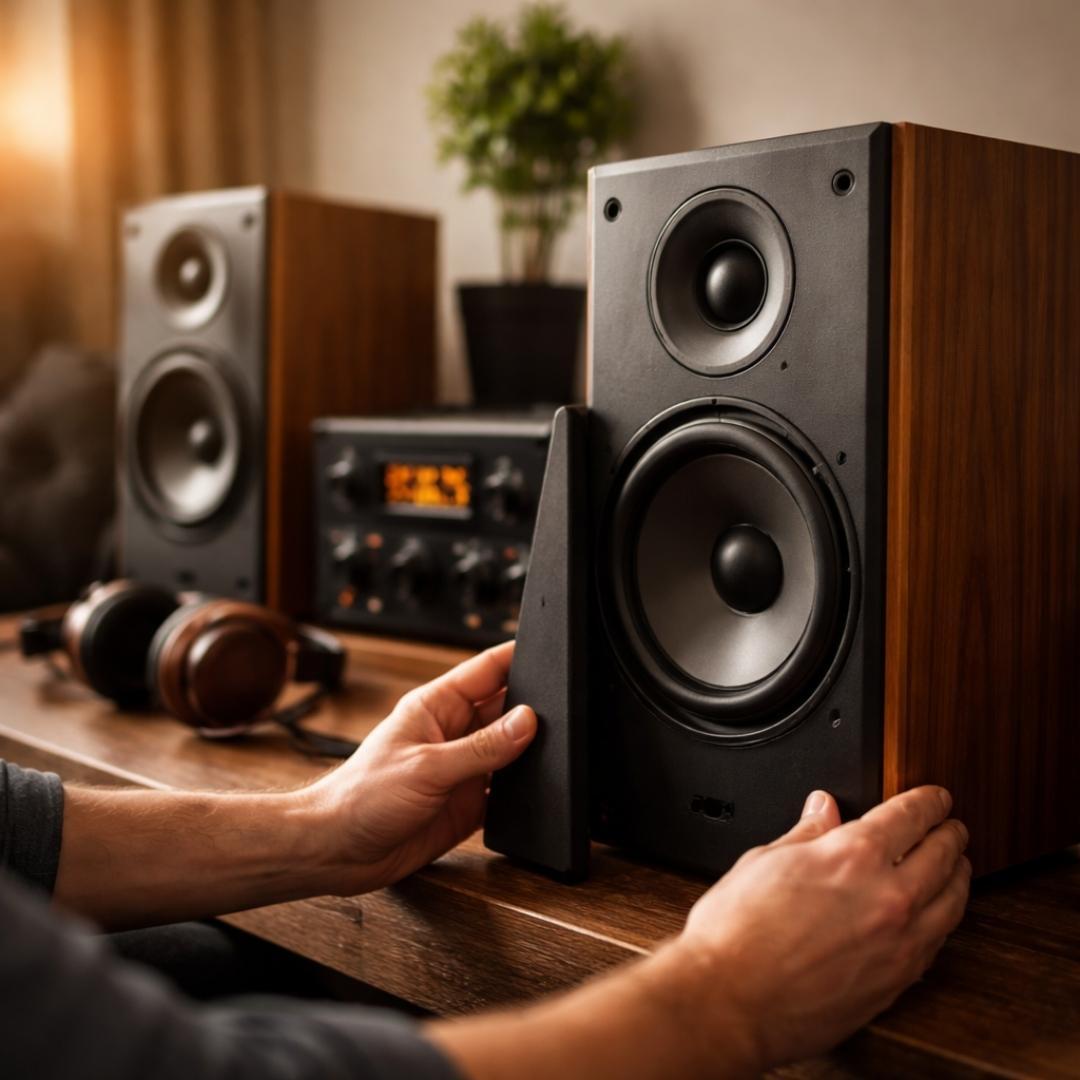
Speaker wattage is the amount of electrical power a speaker can safely handle from an amplifier without damage.
It tells you how much power the speaker can accept, not how loud it will be.
In real use, wattage is more about:
- Safety
- Performance stability
- Distortion control
Understanding The Basics
There are two main wattage ratings you will see:
RMS Power
This is the continuous power a speaker can handle during normal use.
It is the most important number for real-world performance.
Peak Power
This shows the maximum power a speaker can handle for short bursts.
It is not meant for continuous listening.
Quick takeaway: Always trust RMS more than peak.
Shop data cables for high speed transfer long lasting durability and consistent charging performance to keep your devices running efficiently.
Does Higher Wattage Mean Louder Sound
No, higher wattage does not automatically mean louder sound.
Wattage only shows how much power a speaker can handle safely.
What Actually Affects Loudness
- Speaker sensitivity
- Distance from the speaker
- Room size and acoustics
- Audio source quality
A well-designed 50W speaker can sound louder than a poor 100W speaker.
How Does Wattage Affect Speakers?
Wattage affects how a speaker performs at higher volumes and how safely it operates.
- Higher wattage allows louder playback with less distortion
- Lower wattage may distort when pushed too hard
- Proper wattage improves durability and lifespan
This is why matching power correctly is critical.
How Much Wattage Do You Really Need?
For Small Rooms
10W to 30W is enough for clear and comfortable listening.
For Living Rooms
50W to 100W provides balanced sound for music and movies.
For Outdoor Use
80W to 150W works better since sound spreads quickly.
Simple rule: Bigger space = more wattage needed.
Shop mobile chargers built for speed reliability and safety so your devices stay fully powered whether at home office or on the go every day.
How To Calculate Speaker Wattage?
If you want a more accurate setup, you can estimate power using a simple formula:
- Watts = Voltage² ÷ Impedance
This helps you understand how much power is delivered to a speaker.
Practical Guidelines
- Use an amplifier with 1.5 to 2 times the speaker’s RMS
- Add extra headroom to avoid distortion
- Total wattage increases when using multiple speakers
Also, remember: doubling the distance reduces sound intensity, so larger spaces need more power.
Common Wattage Misconceptions
Bigger Numbers Are Not Always Better
A 1000W speaker is not automatically better than a 100W one.
Wattage Does Not Equal Sound Quality
Sound quality depends on tuning, drivers, and design.
Doubling Watts Does Not Double Loudness
200W is not twice as loud as 100W.
How To Match Speakers With Amplifiers
Correct matching prevents damage and improves sound clarity.
Key Guidelines
- Match the amplifier output close to the speaker's RMS
- Avoid overpowering or underpowering
- Ensure impedance compatibility
A mismatch can lead to distortion or permanent damage.
How To Measure Speaker Wattage?
Most speakers already list wattage on the box or manual.
If needed, you can:
- Check amplifier output ratings
- Compare RMS values
- Use a speaker wattage calculator for estimation
Does Speaker Wattage Matter?
Yes, but it is only one part of the overall sound experience.
Wattage matters for:
- Volume handling
- Safety
- Performance under load
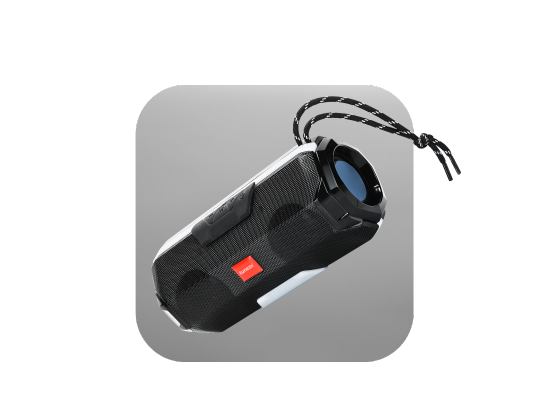
But you should also consider, especially when buying Bluetooth speakers:
- Driver quality
- Build design
- Sound tuning
- Usage environment
Quick Summary
- Speaker wattage = power handling capacity
- RMS is more important than peak
- Higher wattage does not always mean louder sound
- Efficiency and design affect real loudness
- Proper matching with the amplifier is essential
Conclusion
Understanding speaker wattage removes confusion and helps you make smarter buying decisions.
It is not about chasing bigger numbers. It is about choosing the right balance of power, clarity, and performance for your space.
In the end, the best speaker is not the most powerful one. It is the one that fits your usage and delivers consistent, enjoyable sound.