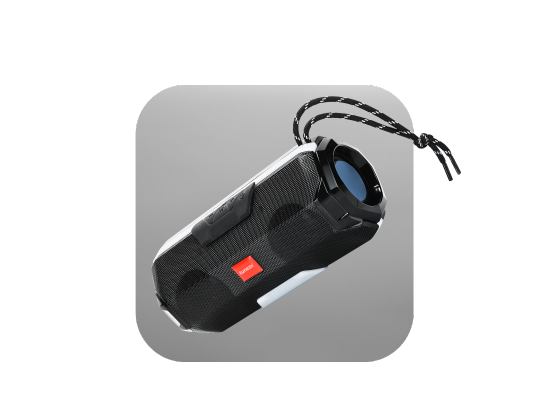






You finally unbox your new Bluetooth speakers, connect them, and play your favorite track. But something feels off. The sound is clear, yet slightly tight, maybe even a bit harsh on the highs.
Breaking in speakers means playing audio for 20–100 hours at moderate volume to loosen internal components and improve sound quality.
This is where understanding how to break in speakers becomes important. Most new speakers are not at their best right out of the box. They need a short period of use to settle in and deliver the sound quality they were designed for.
The good news is that you do not need any technical setup or special tools. With the right approach, your speakers will naturally evolve into a richer and more balanced sound experience.
What Is Speaker Break-In?
Speaker break in refers to the process where internal components of a speaker loosen up through regular use. These components include the cone, surround, and spider, which control how the speaker moves.
When new, these parts are slightly stiff due to manufacturing and storage conditions. As you play audio over time, they become more flexible, allowing smoother movement and better sound reproduction.
In simple terms, break in helps your speakers sound the way they were meant to sound.
Why Breaking In Speakers Matters?
Many users wonder whether breaking in speakers actually makes a difference. According to audio manufacturers and industry experts, mechanical components do change slightly with use, especially in the early hours.
At first, you might notice:
- Bass feels tight or weak
- Treble sounds sharper
- Overall sound lacks warmth
As usage increases, these changes occur:
- Bass becomes deeper and more controlled
- High frequencies smooth out
- Vocals feel more natural
The improvement is gradual, but noticeable with consistent listening.
How To Break In Speakers Properly?
If you are wondering exactly how to break in speakers, the process is simple but requires patience. It is not about forcing the speaker, but about allowing it to adapt through consistent use.
Start With Proper Placement
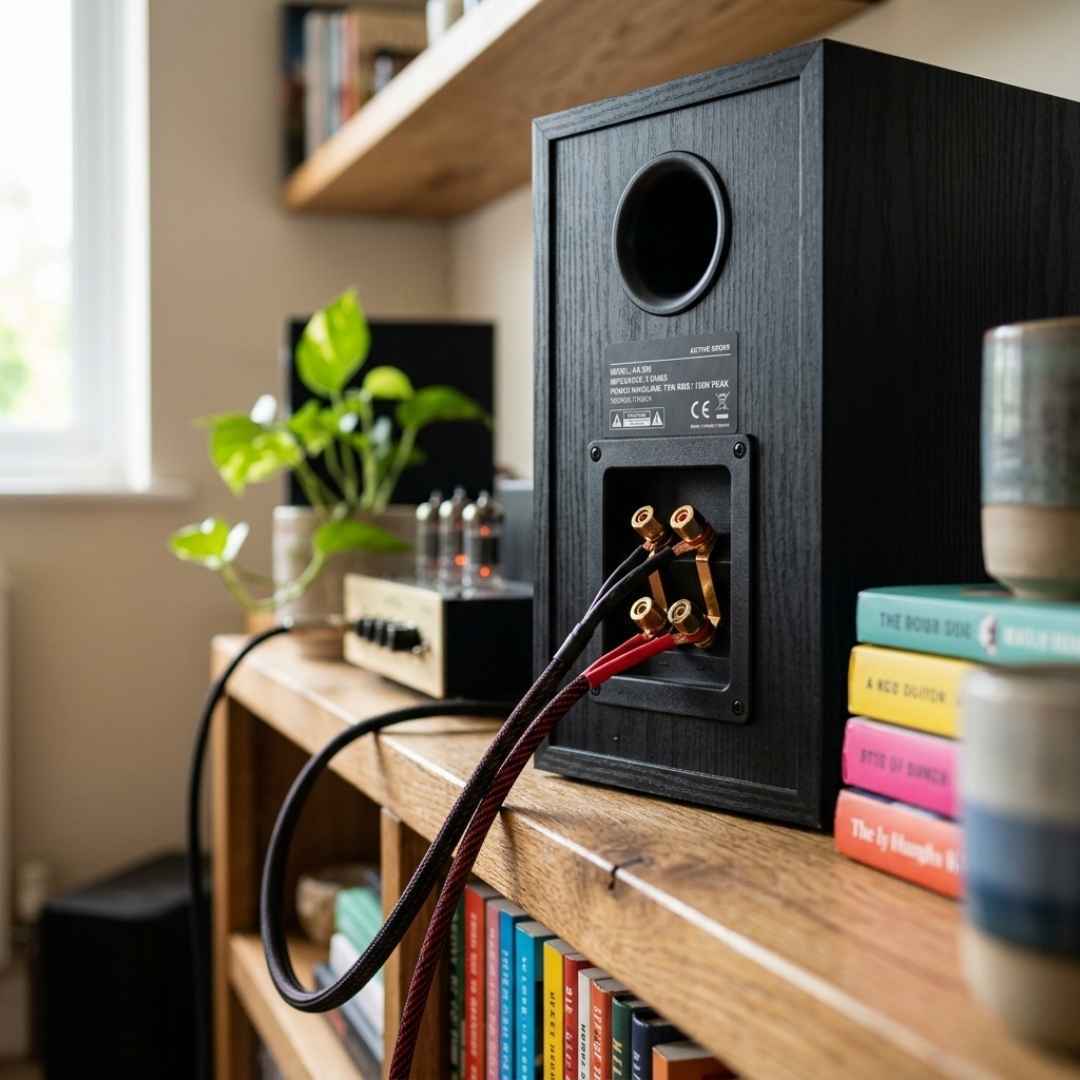
Before playing anything, ensure your speakers are placed correctly. Position them slightly away from walls to reduce reflections that can distort sound.
If you are using stereo speakers, place them evenly and at ear level. Proper positioning helps you clearly notice improvements during break-in.
Begin At Low Volume
Start playback at a low volume to gently activate the internal components. This avoids unnecessary stress on stiff parts.
After a few hours, gradually increase to a moderate level. Avoid maximum volume in the early stage, as it can strain the speaker.
Play A Variety of Audio
Using different types of audio helps exercise the full frequency range.
You can use:
- Music with bass, mids, and highs
- Movies for dynamic sound
- Podcasts for vocal clarity
This ensures balanced break-in across all sound frequencies.
Allow Enough Time
Speaker break-in is a gradual process.
- Initial improvement: 15–20 hours
- Noticeable balance: 30 hours
- Full stabilization: up to 100 hours
Consistency matters more than speed. Regular listening works best.
Using Noise Tracks For Faster Results
If you want to speed up the process, pink noise or break-in tracks can help. These sounds evenly distribute energy across frequencies.
They help move speaker components more consistently, but should always be played at moderate volume to avoid stress.
Even with this method, patience remains key.
How To Know When Speakers Are Fully Broken In
There is no exact timer, but your ears will tell you.
You will notice:
- Fuller and richer bass
- Clearer vocals
- Smoother high frequencies
At some point, the sound simply feels balanced and natural. That is when your speakers have reached their optimal performance.
Common Mistakes To Avoid
Many users unknowingly reduce the effectiveness of break-in by making avoidable mistakes.
- Playing at very high volume too early
- Judging sound quality immediately
- Using only bass-heavy tracks
- Trying to rush the process
A gradual and balanced approach always gives better results.
Do All Speakers Need Break-In?
Most speakers benefit from break-in, but the level of improvement varies.
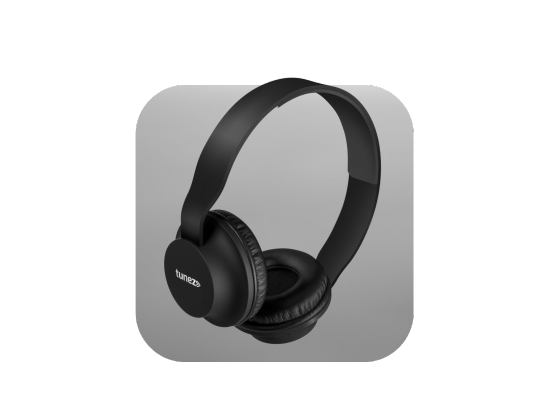
High-quality speakers often show more noticeable changes due to precise engineering. Portable speakers and headphones may show subtle improvements.
Even if the difference is small, break-in helps achieve more consistent sound performance.
Practical Insight You Can Use Immediately
If you want a simple takeaway, just start using your Bluetooth speakers normally at moderate volume.
Play your favorite playlists, watch movies, and enjoy the experience. Within a few days, you will notice smoother and more balanced sound.
This natural method is the safest and most effective way to break in speakers.
Quick Summary
- Break-in takes around 20–100 hours
- Start with low volume and increase gradually
- Use varied audio for a full frequency range
- Avoid high volume in the early stages
- Sound improves naturally over time
Conclusion
Understanding how to break in speakers is about patience and proper usage, not complicated steps. Your speakers are designed to improve with time, and all they need is consistent, balanced use.
By starting at lower volumes, using varied audio, and avoiding extremes, you allow the components to settle naturally. The result is better bass, smoother highs, and a more immersive listening experience.
In the end, it is not just about breaking in your speakers. It is about unlocking the sound you paid for.