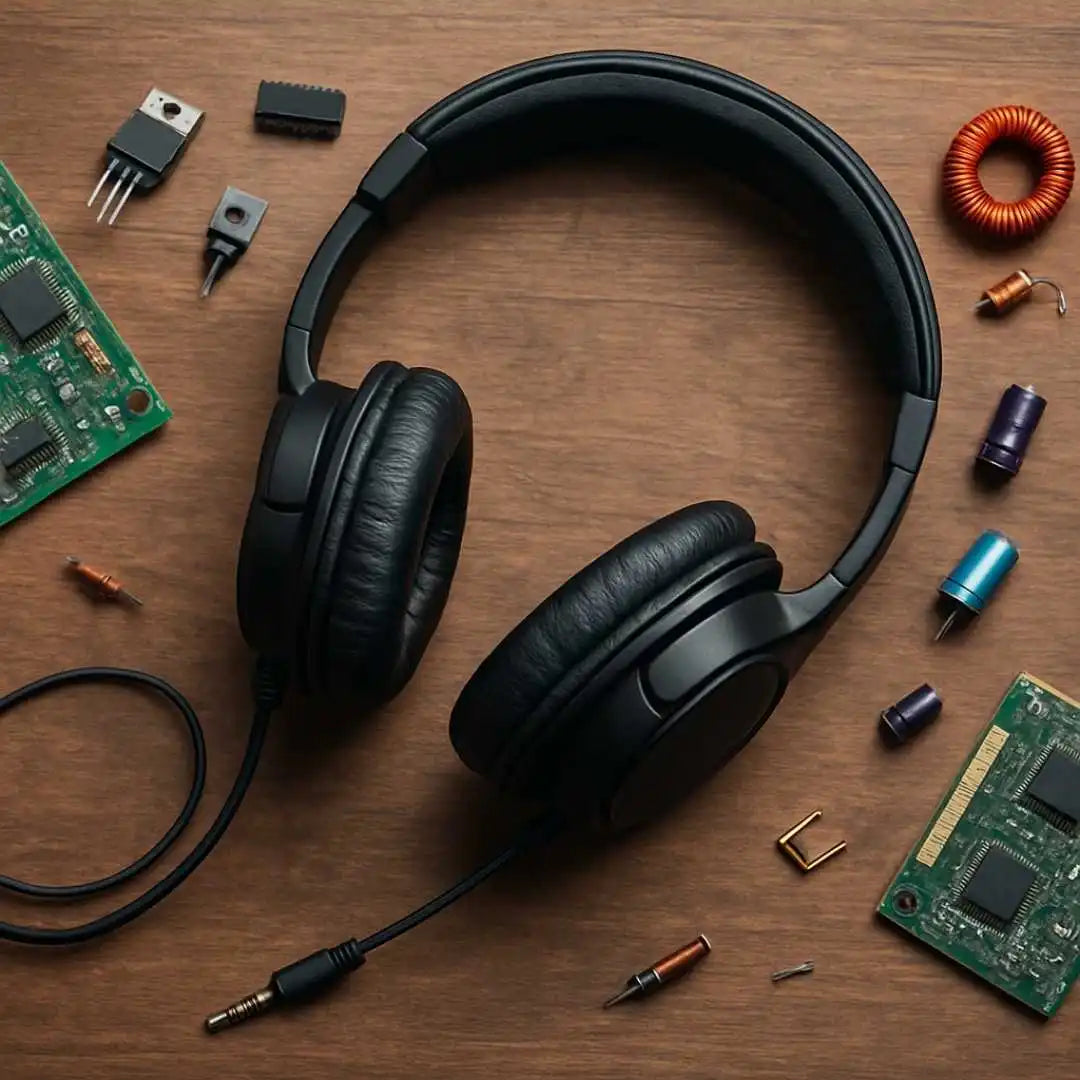
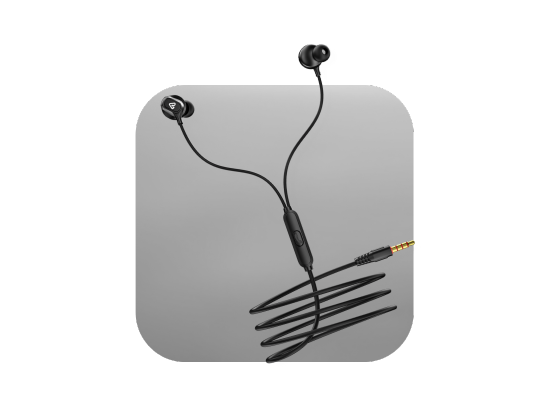
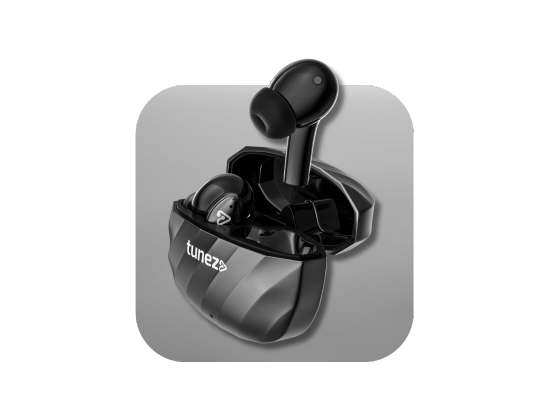
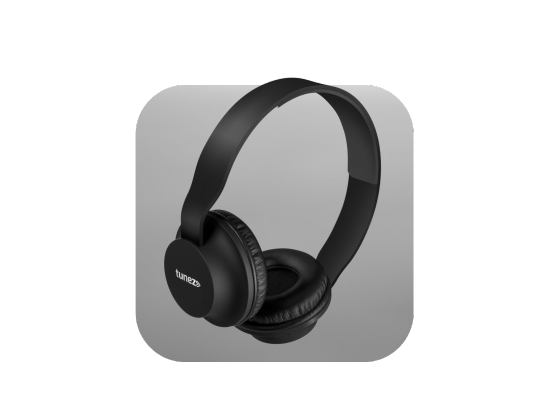






If you have ever asked, "Why are headphones better than earbuds?" you are not alone. Both are popular, both are wireless-capable, but they are not equals. For sound quality, hearing health, and long listening comfort, headphones win — and the reasons go deeper than most people expect.
This guide breaks down every key difference so you can make a confident, informed choice.
What Makes Headphones Superior?
Headphones outperform earbuds in three core areas:
- Sound quality — larger drivers produce richer, fuller audio
- Comfort — over-ear design reduces fatigue during extended use
- Hearing safety — passive isolation means you listen at lower, safer volumes
Now let's go deeper into each advantage.
Sound Quality: Why Bigger Drivers Change Everything
Larger Drivers, Richer Sound
The driver inside an audio device converts electrical signals into sound. Headphones use significantly larger drivers than earbuds — typically 40mm versus 10mm — which directly translates to:
- Deeper, more controlled bass
- Cleaner mid-range frequencies
- A wider soundstage that makes music feel spatial and alive
For genres like classical, jazz, or cinematic scores, this difference is night and day.
Soundstage and Immersion
Over-ear headphones create a natural acoustic chamber around your ear. This enclosed space lets sound behave more like it does in a room, giving you a sense of space and depth that in-ear devices simply cannot replicate due to their size constraints.
Advanced Driver Technology
Because of their larger form factor, headphones can house premium components like planar magnetic drivers or beryllium-coated diaphragms — technologies found in high-fidelity audio that dramatically reduce distortion and improve detail retrieval.
Comfort and Long-Term Wearability
Ear Fatigue Is Real
Earbuds sit inside the ear canal and create a seal by pressing against sensitive tissue. After 60–90 minutes, this pressure causes noticeable discomfort for most users — a phenomenon called listener fatigue.
Over-ear headphones rest around the ear, distributing weight across the headband and cushioned ear cups. You can wear them for 3–4 hours comfortably, which matters for:
- Work-from-home calls and focus sessions
- Long-haul flights
- Extended gaming or studio sessions
Fit Stability for Different Ear Shapes
Earbuds are one-size-fits-most devices, and that "most" excludes a significant portion of users. Headphones, by contrast, are adjustable — headband length, cup angle, and ear pad thickness can all be customized, making them far more universally wearable.
Hearing Health: The Overlooked Advantage
Passive Noise Isolation vs. Ear Canal Exposure
Earbuds require higher volumes to overcome ambient noise because they rely on a small, imperfect seal. This habitual volume increase is the leading cause of noise-induced hearing loss among young listeners.
Headphones provide passive noise isolation simply by enclosing the ear. Even without active noise cancellation (ANC), a good over-ear pair blocks 15–25 dB of ambient noise — enough to let you listen comfortably at 50–60% volume rather than 80–90%.
No Direct Canal Contact
Earbuds inserted into the ear canal can trap moisture and create conditions for bacterial growth, particularly with prolonged use. Headphones eliminate this risk entirely — there is no contact with the inner ear canal at all.
Headphones vs Earbuds: Side-by-Side Comparison
|
Features
|
Headphones
|
Earbuds
|
| Driver Size | 30–50mm | 8–13mm |
| Sound Quality | Rich, wide soundstage | Adequate, limited bass |
| Comfort (long use) | Excellent | Moderate — causes fatigue |
| Noise Isolation | 15–25 dB passive | 5–15 dB (seal-dependent) |
| Hearing Safety | Safer — lower volume needed | Higher volume risk |
| Battery Life | 20–40 hours typical | 5–8 hours (buds only) |
| Best Use Case | Studio, gaming, travel, work | Commute, gym, quick calls |
| Portability | Bulkier | Highly portable |
When Earbuds Actually Make More Sense
Headphones are not always the right tool. Earbuds have genuine advantages in specific scenarios:
- Gym and outdoor workouts — sweat-resistant, won't fall off during movement
- Minimalist commuting — fit in a pocket, no case required
- Quick calls and micro-sessions — faster to grab, no setup
If your listening happens in short, active bursts, earbuds serve you better. But for any session lasting over an hour — or where audio quality matters — headphones are the clear choice.
Practical Use Cases Where Headphones Dominate
Gaming
Headphones with surround sound capability let gamers hear directional audio cues — footsteps, gunshots, ambient environment — with precision that influences performance. Built-in microphones on gaming headsets also deliver far clearer voice capture than most earbud mics.
Music Production and Studio Work
Professional audio engineers almost exclusively use headphones (specifically studio monitor headphones) for mixing and mastering. The accurate, flat frequency response of open-back headphones reveals mix details that earbuds compress or color.
Remote Work and Video Calls
A quality headphone with a boom microphone or built-in noise-cancelling mic makes a measurable difference in call clarity — for both you and the person on the other end.
Travel
Noise-cancelling headphones reduce engine drone and cabin noise on flights, letting you rest or focus without cranking volume. This is where ANC headphones deliver their single biggest real-world benefit.
Conclusion
So, why are headphones better than earbuds? Because they are engineered for audio performance, not just convenience. Larger drivers, better isolation, safer listening levels, and superior long-term comfort all add up to an experience that earbuds — regardless of price — struggle to match.
Earbuds are tools for portability. Headphones are tools for listening. Knowing the difference helps you choose the right device for the right moment — and invest wisely in your audio experience.
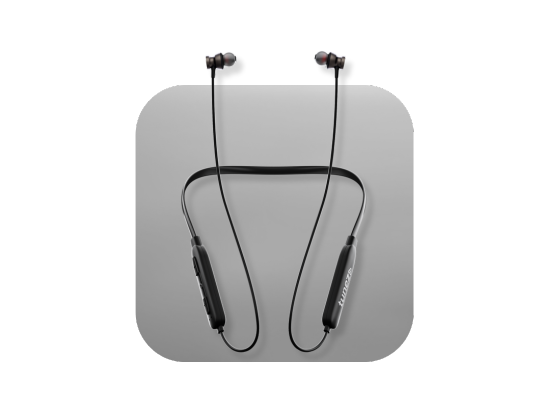
Buy wireless neckbands and unlock superior performance stylish fit and extended playtime that make them the ideal choice for music lovers on the go.
FAQs About Why Headphones Are Better Than Earbuds
1. Are headphones better than earbuds for daily use?
For most people, yes. If you use audio for more than 1–2 hours daily — whether for work, music, or gaming — headphones offer better sound, more comfort, and safer listening levels.
2. Do headphones damage hearing less than earbuds?
Generally, yes. Headphones allow listening at lower volumes due to better passive isolation, which reduces cumulative noise exposure over time.
3. Are expensive earbuds as good as mid-range headphones?
Premium earbuds close the gap significantly, but mid-range over-ear headphones still typically offer a wider soundstage and longer comfort at the same price point.
4. Can headphones be used at the gym?
Yes, though sports-specific headphones designed for exercise (with IP ratings and secure fit) work better than standard over-ear models for high-intensity workouts.
5. Why do audiophiles prefer headphones over earbuds?
Audiophiles prioritize sound accuracy, soundstage width, and driver quality — all areas where headphones have structural advantages due to their larger form factor and design flexibility.
6. Are wireless headphones as good as wired ones?
Modern Bluetooth 5.0+ headphones with aptX or LDAC codecs come very close to wired quality. For critical listening, wired is still preferred, but for everyday use, wireless headphones are excellent.