





Have you ever watched a live concert and wondered, “Why do singers wear headphones while singing?” Headphones are far more than a stage accessory. They help performers hear a clear mix of their own voice, music, and cues, ensuring pitch, timing, and vocal control even in noisy environments.
Whether in a studio, on stage, or during rehearsals, musicians wear headphones while performing to maintain consistent sound, stay synchronized with the band, and protect their hearing.
What Are Headphones and Their Role for Singers
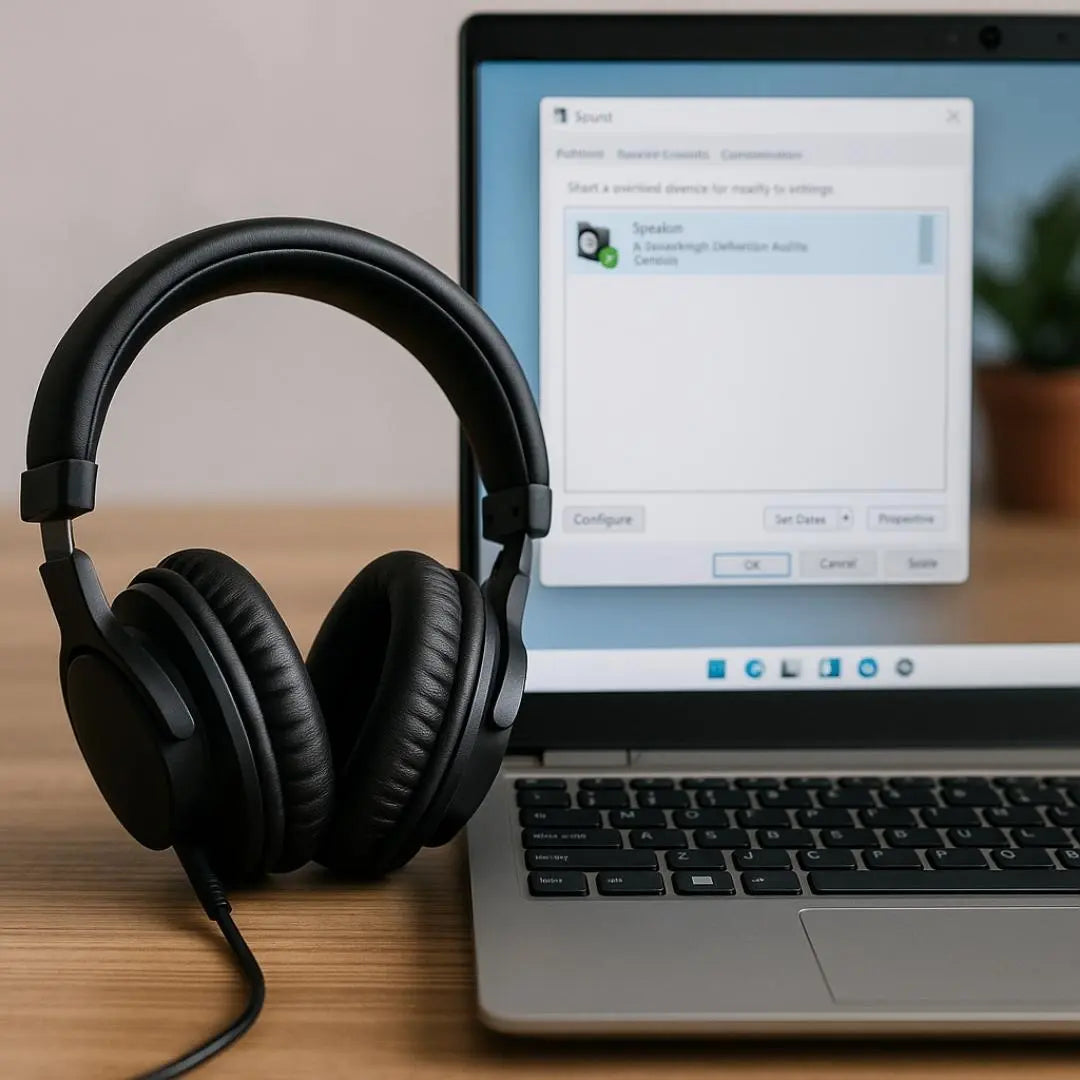
Headphones are audio devices worn over or in the ears that deliver sound directly to the listener. In the context of live music and recording:
- They isolate external noise
- Provide a clear audio mix
- Allow volume control for safe listening
Types of Headphones Used by Singers
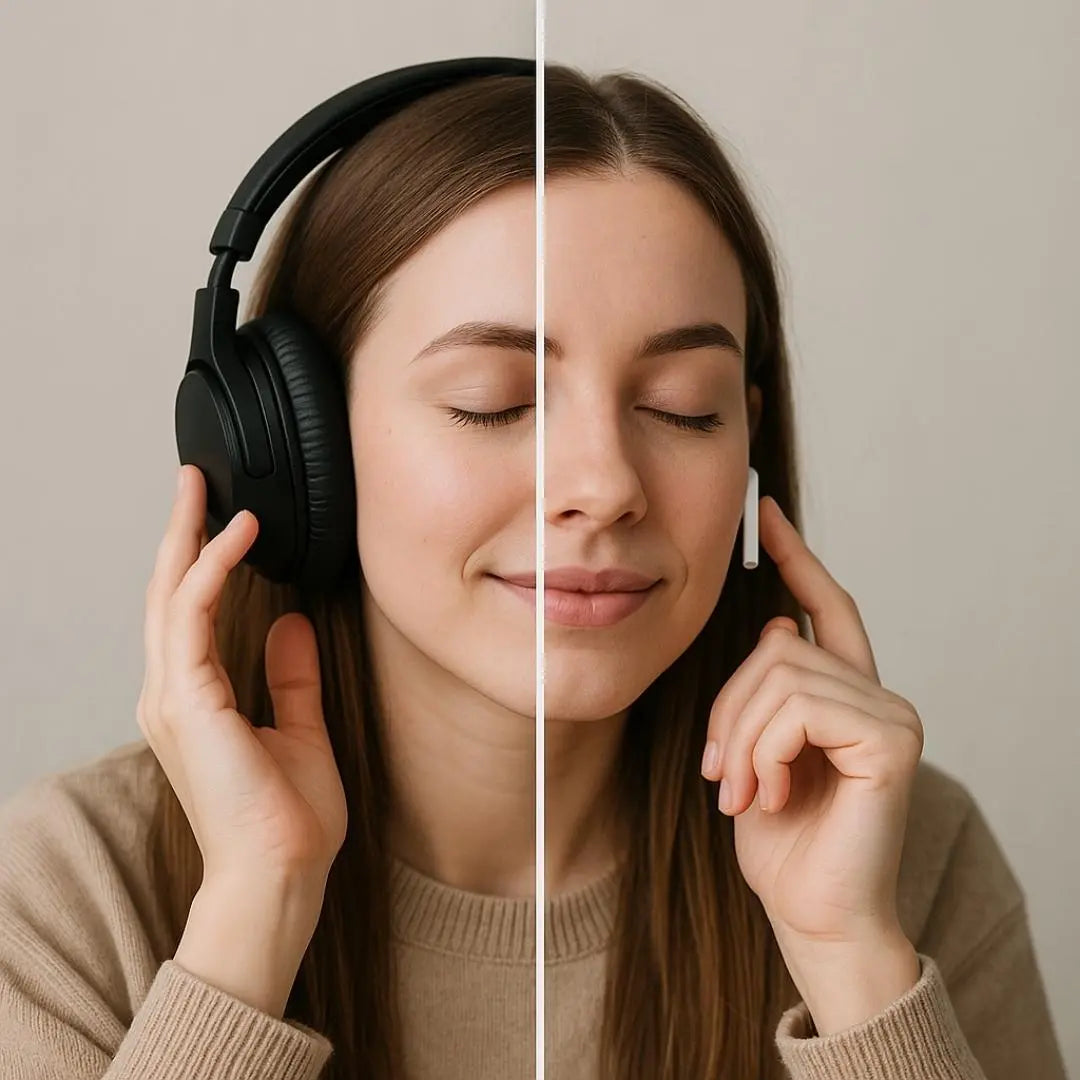
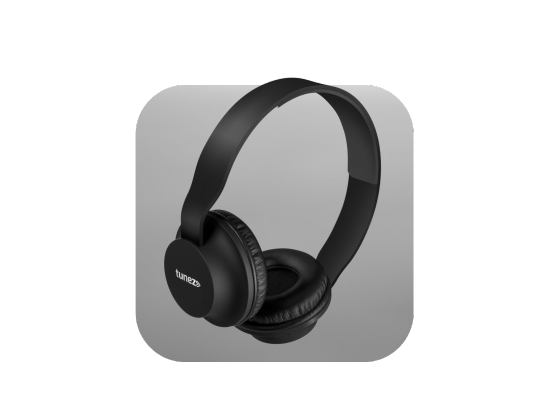
1. Over-Ear / Studio Headphones:
- Common in recording studios
- Deliver high-quality sound and deep bass.
- Comfortable for long sessions.
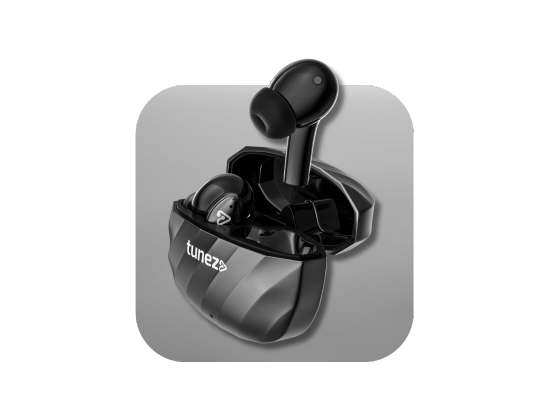
2. In-Ear Monitors (IEMs) / Earpieces:
- Fit snugly inside the ear canal.
- Offer excellent isolation from crowd noise and stage sound.
- Allow a personalized audio mix.
Both types help singers perform at their best, but IEMs are preferred on stage for their mobility and superior sound isolation.
Shop wireless neckbands designed for comfort and powerful sound that let you enjoy your favorite tracks calls and workouts with flexibility and style every day.
Key Reasons Singers Use Headphones During Performances
1. To Monitor Their Own Voice
- Headphones deliver a direct feed of their voice and music.
- This allows precise pitch control and vocal consistency.
- Example: In stadium concerts, headphones help a singer’s voice cut through cheers and loud instruments.
2. Hear the Music and Band Clearly
- Hear instruments accurately
- Stay in sync with band members
- Receive backing tracks or click tracks
3. Block Out External Noise
- Isolate the singer from stage monitors and crowd noise
- Prevent audio feedback
- Maintain focus on vocals and music
4. Maintain Consistent Audio Levels
- Receive a consistent mix regardless of location
- Avoid vocal strain from trying to compensate for overpowering instruments
- Adjust volume and EQ for comfort and clarity
5. Protect Hearing
- Direct, controlled sound at safe volumes
- Protection against prolonged exposure to high decibels
- Preservation of long-term hearing health
6. Receive Cues and Communication
- Sound engineers can send click tracks, stage directions, or tempo cues directly to the singer
- This communication is private and doesn’t disturb the audience
- Ensures coordination with band members and technicians
How Singers Use Headphones During Performances
Soundcheck and Rehearsals
- Headphones allow singers to fine-tune their audio mix
- Test levels for vocals and instruments
- Familiarize themselves with stage acoustics
Technical Features of Performance Headphones
- Wireless or wired connectivity for mobility
- High-fidelity drivers for accurate sound
- Adjustable volume and EQ for a personalized mix
Stage Communication
- Singers can receive instructions or cues without disrupting the performance
- Allows coordination with other performers and sound engineers
Conclusion
So, why do singers wear headphones while singing? Simply put, they are essential tools for clarity, synchronization, hearing protection, and performance control.
Whether using over-ear headphones in the studio or in-ear monitors on stage, these devices ensure singers deliver their best performance every time. Headphones allow performers to focus, stay on pitch, and protect their hearing, making them indispensable in modern music.
Buy true wireless earbuds and feel the power of freedom with stylish designs balanced audio and compact charging cases to keep you powered up anywhere.
FAQs About Singers Wearing Headphones While Singing
1. Why do singers wear earpieces when singing?
They allow performers to hear a personalized mix and stay in tune, even on noisy stages.
2. Can musicians wear headphones while performing safely?
Yes, they receive controlled sound directly to their ears, protecting hearing from loud stage noise.
3. Do headphones improve live performance for singers?
Absolutely, they help monitor vocals, stay in sync, and maintain consistent audio levels.
4. Are in-ear monitors better than traditional headphones on stage?
IEMs offer superior isolation and mobility, making them ideal for live performances.
5. Can headphones prevent audio feedback during concerts?
Yes, isolating sound in the ear prevents microphones from picking up unwanted stage noise.