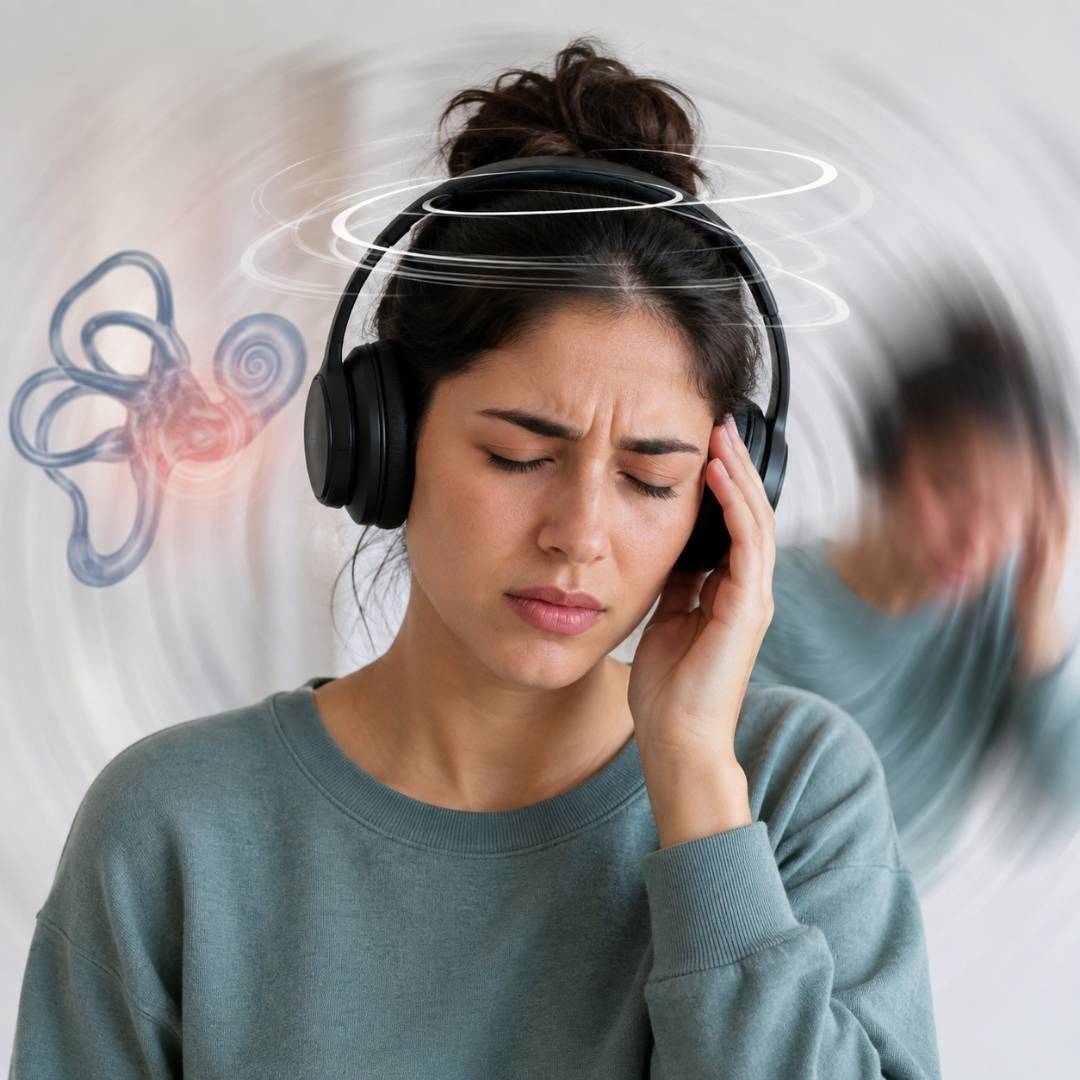
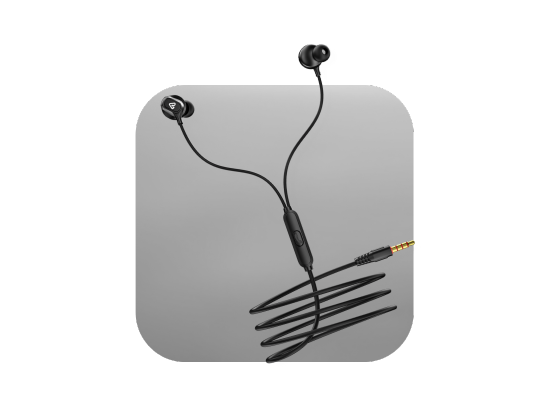
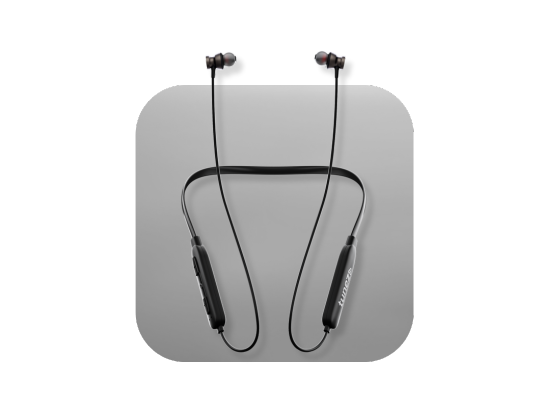
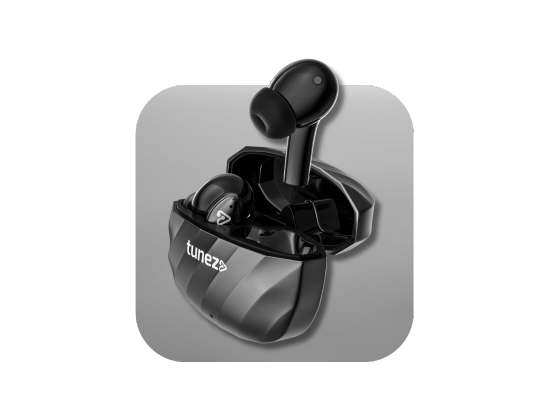






Headphones have become an essential part of daily life. Whether you use them for work, gaming, music, online meetings, or phone calls, they offer convenience and an immersive listening experience. However, some people report feeling dizzy, unsteady, or disoriented while using headphones.
So, can headphones cause vertigo?
Headphones are not generally considered a direct cause of vertigo. However, certain listening conditions may contribute to dizziness or make symptoms more noticeable in people who are sensitive to sound, motion, or changes in their balance system. Listening at very high volumes, wearing tightly sealed in-ear devices, using active noise cancellation, or wearing headphones for extended periods may be uncomfortable for some users.
Underlying inner ear or balance disorders can also cause vertigo independently of headphone use. The inner ear plays an important role in maintaining balance, working together with information from your eyes and muscles to help your brain understand your body’s position and movement.
This article explains the possible connection between headphones and dizziness, common causes of vertigo, safe listening habits, and when you should seek professional advice.
Can Headphones Cause Vertigo?
For most people, wearing headphones does not cause vertigo or balance problems.
However, some users may experience dizziness or discomfort while using headphones. This may be related to factors such as:
- Listening at excessively high volumes
- Wearing tightly fitting in-ear headphones
- Long listening sessions without breaks
- Sensitivity to active noise cancellation
- Motion sensitivity while gaming or using virtual reality
- An existing inner ear or vestibular condition
It is important to distinguish between headphones causing vertigo and headphones coinciding with symptoms from an existing condition. Balance disorders can originate from problems involving the inner ear, brain, medications, infections, or other factors.
If dizziness happens repeatedly whenever you use headphones, temporarily stop using them and consider discussing the symptoms with an ENT specialist or audiologist.
What Is Vertigo?
Vertigo is a sensation that you or your surroundings are spinning, moving, tilting, or shifting even though there is no corresponding movement.
It is different from general lightheadedness or feeling faint. Vertigo is commonly associated with problems affecting the vestibular system, which is located in the inner ear and helps the brain understand head movement and position.
Common symptoms may include:
- A spinning sensation
- Feeling unsteady
- Loss of balance
- Nausea or vomiting
- Difficulty walking
- Feeling that the surroundings are moving
- Blurred vision or disorientation
The underlying cause can vary considerably from one person to another.
Why Might Headphones Make Some People Feel Dizzy?
Headphones may not be the underlying cause of a balance disorder, but certain features or listening situations can make some people feel uncomfortable or dizzy.
Listening at High Volumes
Very loud sounds can place unnecessary stress on the auditory system and increase the risk of hearing damage. While loud sound is not a typical direct cause of vertigo, some people may experience discomfort, dizziness, or other symptoms after excessive sound exposure.
WHO recommends keeping personal audio volume at no more than 60% of maximum and limiting prolonged exposure to loud sounds.
Tightly Sealed In-Ear Headphones
In-ear headphones create a seal in the ear canal. Some people may be particularly sensitive to the sensation of having their ears blocked or may find tightly fitting earbuds uncomfortable.
However, this should not be confused with a proven mechanism in which ordinary earbuds create harmful pressure inside the inner ear. If wearing in-ear headphones consistently causes pressure, discomfort, or dizziness, switching to a different style may be worth trying.
Active Noise Cancellation
Noise-cancelling headphones reduce surrounding sounds by processing external noise. Some users report feeling pressure, altered spatial awareness, or discomfort when using active noise cancellation.
These sensations do not mean that ANC is damaging the vestibular system. If ANC makes you feel uncomfortable or dizzy, try switching it off and see whether the symptoms improve.
Prolonged Listening
Spending several hours continuously wearing headphones can contribute to discomfort, particularly when combined with high volume or poor fit.
WHO recommends taking regular breaks from loud sounds and limiting the amount of time spent listening at higher sound levels.
Can Wearing Headphones Trigger Existing Vertigo?
If you already experience vertigo or have an underlying balance disorder, headphone use may sometimes coincide with or make symptoms more noticeable.
Conditions affecting the vestibular system can cause dizziness, spinning sensations, imbalance, and difficulty maintaining stable movement. Examples include:
- Benign paroxysmal positional vertigo (BPPV)
- Meniere’s disease
- Labyrinthitis
- Vestibular neuritis
- Other vestibular disorders
For example, BPPV can cause sudden episodes of spinning when the position of the head changes. Meniere’s disease can cause episodes of vertigo along with hearing loss, tinnitus, and a feeling of fullness in the ear.
In these situations, the underlying condition is more likely to be responsible for the vertigo than the headphones themselves.
Can Wireless Headphones Cause Vertigo?
Wireless headphones use Bluetooth or other wireless technologies to transmit audio. There is no established evidence that Bluetooth itself causes vertigo. If you are also wondering whether Bluetooth can cause cancer, current evidence has not established a direct link between Bluetooth exposure and cancer.
If you feel dizzy while using wireless headphones, consider other factors such as listening volume, headphone fit, prolonged use, motion sensitivity, or an existing balance condition.
Changing from wireless to wired headphones may help you determine whether the experience is related to a particular device or feature, but persistent vertigo should not automatically be attributed to Bluetooth.
Can Noise-Cancelling Headphones Cause Dizziness?
Most people can use active noise-cancelling headphones without experiencing dizziness.
However, some users may notice a temporary feeling of pressure, altered spatial awareness, or discomfort when ANC is enabled. If this happens, switch ANC off and see whether the sensation improves.
Noise cancellation can also have a useful role in safe listening. WHO recommends well-fitted, noise-cancelling headphones because reducing background noise can make it easier to listen at a lower volume.
Therefore, there is no need to avoid ANC automatically. The important thing is how your body responds to it.
How to Reduce Dizziness While Using Headphones
Most people can use headphones safely by following a few simple habits.
Keep the Volume Moderate
WHO recommends keeping the volume of personal audio devices at no more than 60% of maximum. Where possible, monitoring actual sound exposure is more useful because the same percentage can produce different sound levels depending on the device and headphones.
Take Regular Listening Breaks
Avoid wearing headphones continuously for several hours. Give yourself regular breaks, especially during long workdays, gaming sessions, or online meetings.
WHO recommends taking frequent breaks from loud sounds to reduce overall exposure.
Choose a Comfortable Fit
Headphones should fit securely without creating excessive pressure or discomfort.
If in-ear earbuds feel too tight or blocked, consider trying comfortable over-ear headphones or another style that does not create the same sensation.
Try Turning Off ANC
If active noise cancellation makes you feel uncomfortable or dizzy, turn it off and compare how you feel with normal listening mode.
There is no reason to continue using a feature that consistently makes you uncomfortable.
Avoid Headphones When You Already Feel Dizzy
If you are already experiencing vertigo, dizziness, nausea, or balance problems, take a break from headphone use until you understand what is causing the symptoms.
If the symptoms continue without headphones, the headphones may not be the underlying cause.
Stay Aware of Other Causes
Dizziness can have many causes, including inner ear disorders, medications, infections, blood pressure changes, visual problems, and neurological conditions.
Do not assume that headphones are responsible simply because dizziness happens while you are wearing them.
Can Headphones Cause Vertigo From Loud Music?
Very loud music can increase the risk of hearing damage, but vertigo has a broader range of causes than noise exposure alone.
The inner ear contains separate but closely related structures involved in hearing and balance. The vestibular system helps detect head movement and position, while the cochlea is responsible for hearing.
If loud audio repeatedly causes discomfort, ringing, muffled hearing, or dizziness, reduce the volume and give your ears a break. Persistent symptoms should be evaluated rather than assuming they are caused by headphone use.
What Should You Do If Headphones Make You Dizzy?
If you suddenly feel dizzy while wearing headphones:
- Remove the headphones.
- Sit or lie down somewhere safe.
- Avoid driving or operating machinery while dizzy.
- Give yourself time to recover.
- Note whether the symptoms return when you use the same headphones again.
- If symptoms continue or repeatedly return, speak with a healthcare professional.
Keeping track of whether the symptoms occur with particular headphones, ANC settings, loud sounds, or specific head movements can also provide useful information for a healthcare professional.
When Should You See a Doctor for Vertigo?
Occasional mild dizziness may have a simple explanation, but recurring or unexplained vertigo deserves medical attention.
Consider seeing an ENT specialist, audiologist, or other healthcare professional if you experience:
- Repeated episodes of vertigo
- Persistent dizziness or imbalance
- Hearing loss
- Tinnitus or ringing in the ears
- A feeling of fullness in the ear
- Difficulty walking or maintaining balance
- Nausea or vomiting associated with vertigo
NIDCD recommends speaking with a doctor if you experience spinning sensations, unsteadiness, falls, lightheadedness, or other balance-related symptoms.
Sudden severe dizziness accompanied by symptoms such as weakness, difficulty speaking, vision changes, severe headache, or other neurological symptoms requires urgent medical assessment.
Conclusion
If you have been asking whether headphones cause vertigo, the evidence does not support headphones as a direct cause of vertigo for most people. However, certain users may experience dizziness or discomfort while wearing tightly sealed headphones, listening at excessive volumes, using active noise cancellation, or wearing headphones for long periods.
More importantly, vertigo can be caused by a range of inner ear, neurological, medication-related, and other health conditions. The vestibular system in the inner ear plays an important role in maintaining balance, so recurring symptoms should not automatically be blamed on headphones.
To enjoy headphones more safely, keep the volume at a moderate level, take regular breaks, choose a comfortable fit, and turn off features such as ANC if they make you uncomfortable. Maintaining healthy lifestyle habits, including practices such as yoga for hearing loss, may also support overall hearing wellness. WHO recommends keeping personal audio volume at no more than 60% of maximum and limiting prolonged exposure to loud sound.
If dizziness or vertigo keeps returning, occurs with hearing changes, or affects your daily activities, consult an appropriate healthcare professional to identify the underlying cause.
Frequently Asked Questions
1. Can headphones cause vertigo?
Headphones are not generally considered a direct cause of vertigo. However, some people may experience dizziness or discomfort while using them, particularly with very loud audio, prolonged listening, tightly fitting devices, or certain ANC settings. An underlying balance disorder may also be responsible.
2. Can wearing headphones cause vertigo?
For most people, wearing headphones does not cause balance problems. If dizziness repeatedly occurs during headphone use, remove them and monitor whether the symptoms improve. Persistent or recurring vertigo should be evaluated by a healthcare professional.
3. Can wireless headphones cause vertigo?
There is no established evidence that Bluetooth wireless technology causes vertigo. If dizziness occurs while using wireless headphones, factors such as sound volume, headphone fit, prolonged use, motion sensitivity, or an existing vestibular condition may be more relevant.
4. Can loud music through headphones make you feel dizzy?
Very loud audio can cause discomfort and increase the risk of hearing damage. Although vertigo has many possible causes, reducing the volume is an important part of safe listening. WHO recommends keeping personal audio volume at no more than 60% of maximum.
5. Can noise-cancelling headphones cause dizziness?
Most people can use noise-cancelling headphones without problems. However, some users may experience temporary discomfort, pressure sensations, or altered spatial awareness while using ANC. If this happens, try turning ANC off and see whether the symptoms improve.
6. What are the common symptoms of vertigo?
Vertigo can involve:
- A spinning sensation
- Feeling that the surroundings are moving
- Loss of balance
- Unsteadiness
- Nausea or vomiting
- Difficulty walking
- Disorientation
Balance disorders can produce a range of symptoms depending on their underlying cause.
7. How can I reduce the risk of dizziness while using headphones?
You can reduce discomfort by:
- Keeping the volume at or below 60% of maximum
- Taking regular listening breaks
- Choosing comfortable, well-fitting headphones
- Turning off ANC if it makes you uncomfortable
- Avoiding prolonged listening sessions
- Stopping headphone use if you feel dizzy
WHO recommends reducing volume, limiting listening time, taking breaks, and using well-fitted headphones.
8. Should I stop using headphones if I experience vertigo?
If headphones appear to trigger dizziness, remove them and allow the symptoms to settle. If the symptoms continue after removing the headphones, keep returning, or become more severe, seek medical advice rather than assuming the headphones are the underlying cause.
9. When should I see a doctor for vertigo?
You should consider medical evaluation if vertigo is persistent, repeatedly returns, affects your balance, or occurs with hearing loss, tinnitus, ear fullness, or other concerning symptoms. NIDCD recommends discussing balance symptoms such as spinning sensations, unsteadiness, and falls with a doctor.
10. Are headphones safe to use every day?
Yes, headphones can generally be used every day when you follow safe listening practices. Keep the volume moderate, limit prolonged listening, take regular breaks, and use comfortable headphones. WHO recommends keeping personal audio volume at no more than 60% of maximum and reducing exposure to loud sounds.