






Mobile devices have become an essential part of our daily lives, making types of mobile chargers more diverse than ever. From fast USB-C chargers to wireless pads and portable power banks, understanding these options ensures your phone stays powered anytime, anywhere.
In this guide, we will explore the most popular types of phone chargers, how they work, and how to choose the right one for your device.
Common Types of Mobile Chargers
Over the years, mobile chargers have evolved from simple plugs to advanced devices offering fast and convenient charging. Let’s break down the main types of mobile chargers.
1. USB Chargers
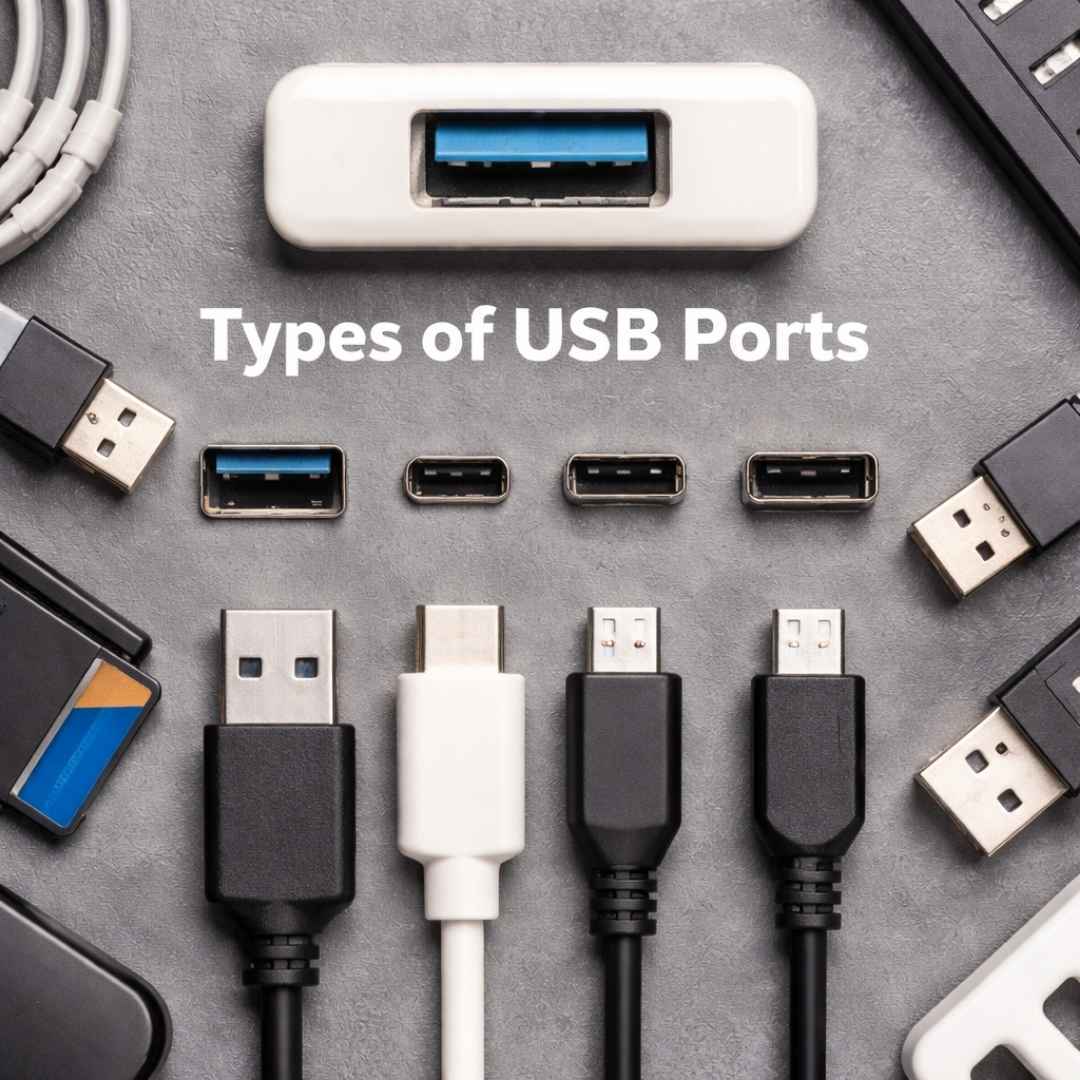
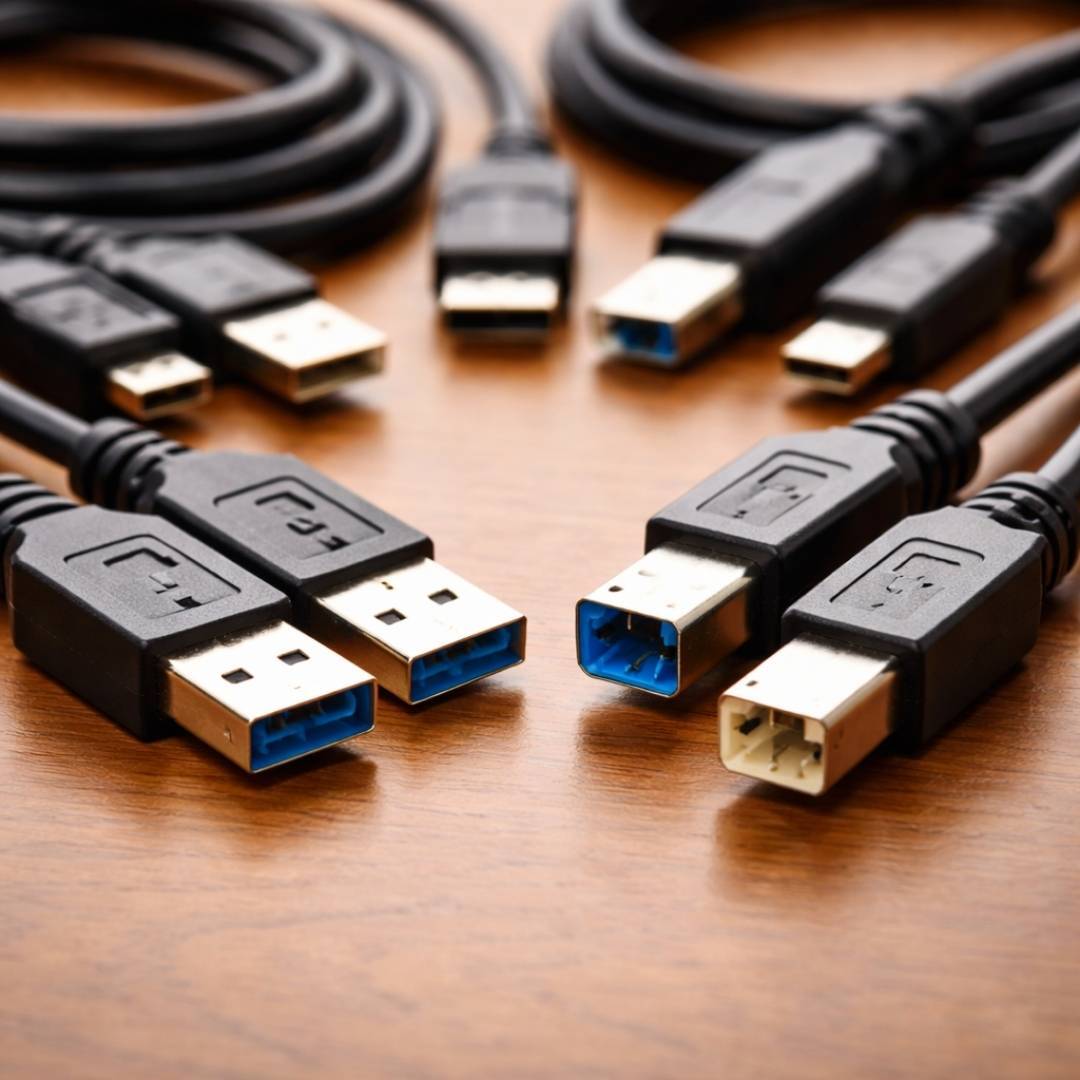
USB-A Chargers
- The traditional rectangular port is found on older chargers and computers.
- Supports moderate charging speeds up to 18W.
- Ideal for older devices or basic charging needs.
USB-C Chargers
- Reversible and widely compatible with new Android phones, tablets, laptops, and iPhone 15+.
- Supports fast charging through Power Delivery (PD) and high output up to 100W.
- Reduces clutter with one cable for multiple devices.
Lightning Chargers
- Exclusive to Apple devices before iPhone 15.
- Works with iPhones, iPads, and AirPods.
- Often paired with USB-C or USB-A cables for charging and data transfer.
Micro-USB Chargers
- Common in older Android devices and small electronics.
- Slower and largely replaced by USB-C.
- Still useful for legacy devices.
Shop data cables for high speed transfer long lasting durability and consistent charging performance to keep your devices running efficiently.
2. Wireless Chargers
- Uses electromagnetic induction to charge devices with Qi technology.
- Charging speeds range from 5W to 20W, depending on the charger.
- Great for bedside tables or office desks, but slower than wired chargers.
- Works best without thick phone cases.
3. Portable Chargers (Power Banks)
- Battery capacities range from 5,000mAh to 30,000mAh or more.
- Some support fast charging for phones, tablets, and even laptops.
- Ideal for travel, outdoor activities, or emergencies.
- Look for models with USB-C output for faster power delivery.
4. Car Chargers
- Plugs into your vehicle’s cigarette lighter or dedicated USB port.
- Outputs vary from 12W to 45W, with many supporting fast charging protocols.
- Dual-port options allow simultaneous charging for two devices.
- Compact and convenient for daily commutes or long trips.
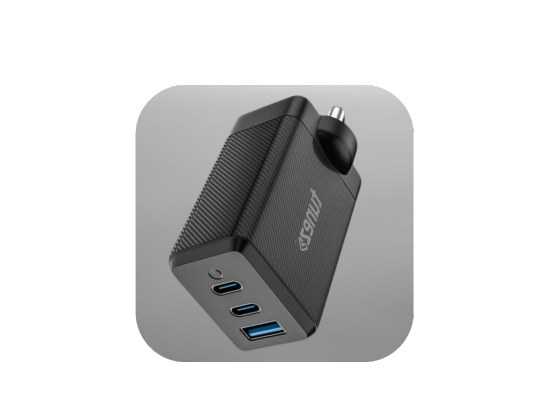
5. Multi-Port Chargers
- Combine USB-A and USB-C ports in a single adapter.
- Power output can reach 150W, supporting simultaneous charging without slowing devices.
- Perfect for families, shared workspaces, or tech enthusiasts.
- Reduces clutter by eliminating multiple chargers and cables.
6. Desktop Chargers
- Serve as an all-in-one charging hub with multiple ports (USB-C and USB-A).
- Can support phones, laptops, smartwatches, and earbuds at once.
- Some models include LCD displays to monitor charging status in real time.
- Great for keeping your desk tidy and fully powered.
Shop car chargers that provide fast and reliable charging so your devices stay powered during travel ensuring convenience and safety on every journey.
Different Types of Charging Cables
A charger is only as good as the cable it uses. Here are the common cable types that pair with types of mobile chargers:
- USB-A to Micro-USB: Best for older Android devices and accessories.
- USB-A to USB-C: Transitional option for older chargers powering newer devices.
- USB-A to Lightning: Apple’s older standard, slowly replaced by USB-C to Lightning.
- USB-C to USB-C: Fastest option for modern devices, supports high-wattage charging and data transfer.
- USB-C to Lightning: Enables fast charging for iPhones 8 and later.
How to Choose The Right Charger?
When picking a charger, consider the following:
- Check your device port: Identify if your phone uses USB-C, Lightning, or Micro-USB.
- Prioritize speed: USB-C with Power Delivery offers the fastest charging.
- Consider your lifestyle: Wireless chargers for convenience, power banks for travel, multi-port chargers for families.
- Safety first: Look for smart protection features to prevent overheating and overcharging.
Conclusion
Understanding the different types of mobile chargers helps you power your devices efficiently and safely. Whether you need a fast USB-C charger, a wireless pad, or a portable power bank, choosing the right option saves time and ensures your gadgets are always ready. Stay informed, pick the charger that fits your lifestyle, and keep your devices fully charged without hassle.
Shop mobile chargers offering fast performance compact design and durable quality so you never have to worry about low battery again.