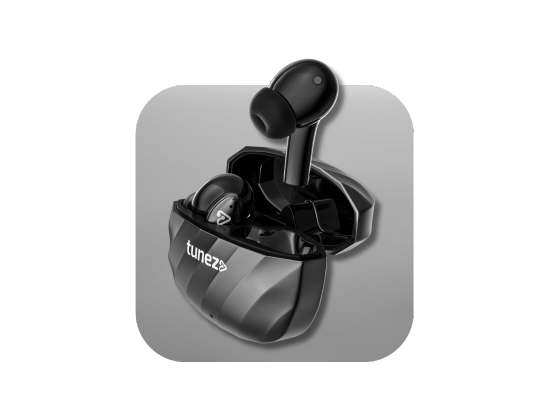
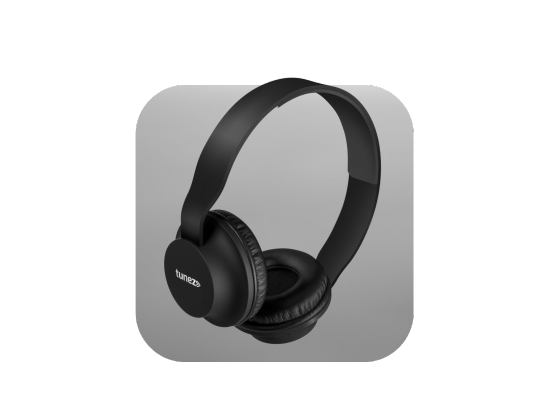



ANC headphones are now commonly used by people every day for work, travel, entertainment, and study. Whether you are working in a busy office, traveling on a flight, studying at a café, or simply relaxing at home, ANC headphones help create a quieter and more focused listening experience.
But as more people use this technology for long hours every day, one question keeps appearing online: Does noise-cancelling damage hearing?
Some users worry that blocking outside sounds might harm the ears or affect the brain over time. Others believe ANC creates dangerous pressure inside the ear. At the same time, audiologists say noise-cancelling can actually protect hearing when used properly.
So what is the truth?
In this guide, you will learn how noise cancelling works, whether noise cancelling is harmful to your ears, the real risks associated with headphone use, and how to use ANC safely without affecting your hearing health.
What is Noise-cancelling?
Noise-cancelling technology reduces unwanted background sounds so you can hear your music, podcasts, or calls more clearly.
There are two common sound reduction methods used in headphones and earbuds, often referred to as noise-cancelling and noise isolating technologies. If you want to understand them better, you can read the difference between noise-cancelling and noise isolating.
Passive Noise Isolation
This comes from the physical design of the headphones.
Thick ear cushions or properly sealed earbuds naturally block outside sound before it reaches your ears.
Active Noise Cancelling
If you are wondering what is ANC in headphones, it is a technology that uses microphones and sound processing to reduce outside environmental noise electronically.
This is the advanced feature found in most modern premium headphones.
How Does Active Noise Cancelling Work?
ANC headphones constantly listen to the sounds around you using tiny built-in microphones.
The headphones then create an opposite sound wave that cancels the incoming external noise before it reaches your ears.
This process is known as sound wave cancellation.
For example:
- Aeroplane engine sounds become quieter
- Traffic noise has reduced significantly
- Office chatter becomes less distracting
- Fan and AC sounds fade into the background
The goal is not to create silence completely but to reduce unwanted noise so you can listen more comfortably.
Does Noise-cancelling Damage Hearing?
The short answer is no.
There is currently no scientific evidence proving that ANC technology directly damages hearing.
In fact, many hearing specialists believe noise cancelling headphones may actually help protect your ears because they allow users to listen at lower volume levels.
Without ANC, people often increase volume to overpower background noise. Over time, loud volume exposure is what actually damages hearing.
Noise cancelling simply reduces surrounding noise, so you do not need excessively loud audio.
Why People Think Noise Cancelling Is Harmful
Although ANC itself is not dangerous, some users experience sensations that create concern.
Ear Pressure Feeling
Many people describe ANC as creating a clogged ear sensation.
This happens because low-frequency environmental sounds suddenly disappear, making the ears feel different.
However, there is no actual harmful pressure being created inside the ear.
The sensation is temporary and harmless for most users.
Headaches or Ear Fatigue
Some users may feel mild discomfort after long listening sessions.
Possible reasons include:
- Wearing headphones too tightly
- Listening for many hours continuously
- Audio volume is too high
- Sensitivity to ANC processing
Taking regular breaks usually solves this issue.
The Real Risk Is High Volume
The biggest danger to hearing is not ANC technology.
The real problem is listening at loud volumes for extended periods.
Repeated exposure to loud sounds can damage delicate hearing cells inside the ear permanently.
This risk exists with:
- ANC headphones
- Regular headphones
- Earbuds
- Speakers
- Gaming headsets
Volume matters far more than the noise-cancelling feature itself.
Emerging Concerns About Auditory Processing
Recently, some audiologists have raised concerns about whether excessive ANC use could affect how the brain processes sound.
This discussion mainly focuses on a condition called Auditory Processing Disorder, also known as APD.
What Is Auditory Processing Disorder?
APD happens when the brain struggles to separate important sounds from background noise, even though hearing ability itself remains normal.
Some specialists believe constant noise isolation might reduce the brain’s practice in filtering everyday sounds naturally.
For example:
- Difficulty following conversations in crowded places
- Trouble identifying where sounds come from
- Struggling to focus in noisy environments
However, researchers have clearly stated that there is currently no direct scientific proof connecting ANC headphones to APD.
More long-term studies are still needed.
Real World Example
Imagine someone wearing ANC headphones all day while working remotely.
They spend hours in isolated sound environments listening only to music or podcasts.
Later, when entering a crowded restaurant or train station, they may suddenly feel overwhelmed by the surrounding noise.
This does not necessarily mean ANC has harmed hearing. The brain may just need some time to adapt again to normal surrounding sounds.
This is similar to walking from a dark room into bright sunlight for the first time.
Are Noise-Cancelling Headphones Safe for Kids?
Experts generally recommend moderation for children.
Children’s brains are still developing sound processing abilities, so long hours of complete noise isolation may not be ideal.
Parents should:
- Limit listening duration
- Keep volume levels low
- Encourage outdoor and social listening experiences
- Avoid nonstop headphone use throughout the day
Using ANC responsibly is usually considered safe.
How Noise Cancelling Can Actually Protect Hearing
Surprisingly, ANC can be beneficial for hearing health when used correctly.
Lower Listening Volume
Because background sounds are reduced, users often keep music at lower and safer volumes.
Reduced Ear Strain
In noisy environments, ANC prevents the need to constantly increase audio volume.
Better Focus
Many people experience reduced stress and improved concentration in quieter environments.
This is especially useful during flights, office work, studying, or commuting.
Over-Ear Headphones vs Earbuds
Many users wonder which option is safer.
Over-Ear Headphones
These usually provide:
- Better passive noise isolation
- Reduced pressure inside the ear canal
- More comfortable long sessions
- Larger drivers with balanced sound
Earbuds
Earbuds are portable and convenient but sit directly inside the ear canal.
Some users may increase volume unintentionally when using earbuds in noisy places.
Both can be safe if volume levels remain controlled.
Safe Listening Tips for ANC Headphones
Using ANC responsibly is the best way to protect your hearing.
Follow the 60 60 Rule
Listen at no more than 60 percent volume for no longer than 60 minutes continuously.
After that, take short listening breaks.
Take Listening Breaks
Remove your headphones regularly throughout the day to give your ears rest.
Avoid Maximum Volume
If someone standing next to you can hear your audio clearly, the volume is likely too high.
Use Transparency Mode Outdoors
Transparency or ambient modes help you remain aware of traffic, alarms, and conversations in public areas.
Pay Attention to Symptoms
If you notice:
- Ringing in the ears
- Ear pain
- Muffled hearing
- Persistent headaches
Reduce usage and consult a hearing professional if symptoms continue.
Conclusion
So, does noise-cancelling damage hearing?
Current evidence says no. Active Noise Cancelling itself is not harmful to your ears when used properly.
In fact, ANC can help protect hearing by reducing the need for dangerously high volume levels in noisy environments.
The real risks come from poor listening habits such as excessive volume, nonstop headphone use, and lack of listening breaks.
While researchers continue exploring whether long-term noise isolation affects auditory processing, there is no confirmed proof that ANC directly causes hearing damage.
Like any technology, moderation and responsible usage are the key.
Used correctly, noise-cancelling headphones can provide a safer, more comfortable, and more enjoyable listening experience.
FAQs About Noise-cancelling Damage to Hearing
Q. Is noise-cancelling bad for your ears?
No. Noise-cancelling technology itself is not considered harmful when used responsibly.
Q. Can ANC headphones cause hearing loss?
Hearing loss is mainly caused by high volume listening, not ANC technology.
Q. Why do ANC headphones feel strange at first?
Some users notice a temporary pressure sensation because low-frequency background noise suddenly disappears.
Q. Is it safe to wear noise-cancelling headphones all day?
Occasional long use is generally safe, but taking breaks regularly is recommended.
Q. Can noise-cancelling affect the brain?
Some experts are researching whether excessive noise isolation may affect sound processing, but no direct proof currently exists.
Q. What is Auditory Processing Disorder?
APD is a condition where the brain struggles to process sounds properly despite normal hearing ability.
Q. Are over-ear ANC headphones safer than earbuds?
Over-ear headphones often provide better comfort and passive isolation, but both can be safe when used at moderate volumes.
Q. Does ANC create pressure inside the ears?
No. ANC does not physically increase air pressure inside your ears.
Q. Can children use noise-cancelling headphones safely?
Yes, but usage should be moderated and volume levels kept low.
Q. What volume level is considered safe?
Experts generally recommend staying below 60% volume for extended listening.
Q. Can ANC help protect hearing?
Yes. ANC reduces background noise so users can listen at lower volumes.
Q. Why do my ears feel tired after using ANC?
Long listening sessions, high volume, or tight-fitting headphones may cause temporary ear fatigue.
Q. Is transparency mode useful?
Yes. Transparency mode helps users hear important surrounding sounds while using headphones outdoors.
Q. Should I stop using ANC headphones?
No. Responsible use with proper listening habits is generally considered safe.
Q. What are the safest ways to use ANC headphones?
Keep volume moderate, take regular breaks, and avoid nonstop listening for many hours continuously.