








When shopping for speakers, one specification often stands out more than any other: speaker wattage. Many people assume that a higher wattage automatically means a louder or better speaker. While wattage does play an important role, it is only one part of the overall audio experience.
Understanding speaker wattage can help you choose the right speaker for your room size, listening habits, and audio needs. Whether you are buying Bluetooth speakers, bookshelf speakers, home theater systems, or portable party speakers, knowing how wattage works can prevent poor purchasing decisions and ensure you get the performance you expect.
In this guide, we explain what speaker wattage means, how power ratings work, and how to choose the right wattage for different environments.
What Is Speaker Wattage?
Speaker wattage refers to the amount of electrical power a speaker can safely handle without being damaged. It indicates the speaker’s power handling capability rather than its actual loudness.
A speaker does not generate power on its own. Instead, it receives power from an amplifier, receiver, or built in amplification system. The wattage rating helps determine how much power the speaker can process while maintaining clear sound quality.
Many people believe that doubling the wattage doubles the volume. In reality, loudness depends on several factors including speaker efficiency, room acoustics, and listening distance.
Why Speaker Wattage Matters
Understanding speaker wattage helps you:
- Match speakers with amplifiers correctly
- Avoid damaging audio equipment
- Reduce sound distortion at higher volumes
- Select speakers suitable for your environment
- Achieve better overall audio performance
A properly matched audio system delivers cleaner sound, longer equipment life, and a more enjoyable listening experience.
Understanding Speaker Power Ratings
When reviewing speaker specifications, you will usually find two important power ratings.
RMS Power
RMS stands for Root Mean Square. This is the most important wattage measurement because it represents the amount of continuous power a speaker can handle safely over extended periods.
For example, if a speaker has an RMS rating of 50 watts, it can continuously operate at that power level without overheating or sustaining damage.
Benefits of RMS power ratings include:
- Reflects real-world performance
- Indicates long-term reliability
- Helps match speakers with amplifiers
- Provides a realistic expectation of power handling
When comparing speakers, always prioritize RMS ratings over peak power ratings.
Peak Power
Peak power refers to the maximum amount of power a speaker can handle for very short periods.
These brief bursts typically occur during:
- Explosive movie scenes
- Heavy bass drops
- Drum hits
- Sudden volume spikes
A speaker may have a 50-watt RMS rating and a 100 to 200-watt peak rating. While peak power is useful information, it should not be the primary factor when selecting speakers.
Does Higher Speaker Wattage Mean Louder Sound?
Not necessarily.
Although higher wattage allows speakers to handle more power, loudness depends heavily on speaker sensitivity.
Speaker sensitivity is measured in decibels and indicates how efficiently a speaker converts power into sound.
For example:
- Speaker A: 85 dB sensitivity
- Speaker B: 95 dB sensitivity
Even if both speakers receive the same power, Speaker B will sound significantly louder because it converts electrical energy into sound more efficiently.
This is why a lower-wattage speaker with high sensitivity can often outperform a higher-wattage speaker with poor efficiency.
How Amplifiers and Speaker Wattage Work Together
One of the most important aspects of building an audio system is matching speakers with the correct amplifier.
An amplifier sends electrical power to the speaker. If the amplifier delivers too much power, the speaker may become damaged. If the amplifier delivers too little power and is constantly pushed to maximum output, distortion can occur.
Best Practice for Amplifier Matching
In most situations, an amplifier with a slightly higher RMS output than the speaker’s RMS rating is considered safe.
This approach helps:
- Reduce clipping
- Maintain cleaner sound
- Prevent distortion
- Improve audio performance
The key is using equipment within recommended operating levels rather than continuously pushing the system to its limits.
Types of Speakers and Wattage Requirements
Different types of speakers require different power levels depending on their intended use.
Bluetooth Speakers
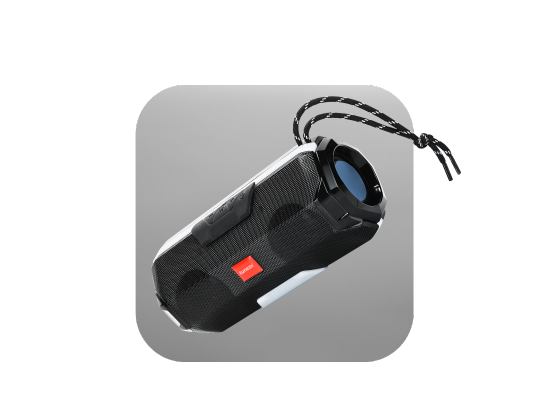
Portable Bluetooth speakers generally range from 10 to 50 watts.
Ideal for:
- Bedrooms
- Offices
- Small gatherings
- Travel use
Bookshelf Speakers
Bookshelf speakers often range between 30 and 100 watts RMS.
Suitable for:
- Living rooms
- Music listening
- Television audio
- Gaming setups
Floor Standing Speakers
Floor-standing speakers usually support higher wattage capacities.
Best for:
- Large rooms
- Dedicated music systems
- Home theaters
- Audiophile setups
Portable Party Speakers
Portable party speakers often exceed 100 watts and are designed for higher volume levels.
Common uses include:
- House parties
- Events
- Large indoor spaces
- Outdoor entertainment
How Much Speaker Wattage Do You Need?
The ideal speaker wattage depends on the size of the listening area and the volume level you prefer.
Small Rooms
Recommended wattage: 10 to 30 watts
Suitable for:
- Bedrooms
- Home offices
- Study rooms
- Personal listening
Medium Rooms
Recommended wattage: 30 to 100 watts
Suitable for:
- Living rooms
- Apartments
- Family rooms
- Television viewing
Large Rooms
Recommended wattage: 100 to 200 watts
Suitable for:
- Open floor plans
- Large entertainment spaces
- Dedicated home theatres
Outdoor Spaces
Recommended wattage: 150 watts and above
Suitable for:
- Gardens
- Patios
- Poolside entertainment
- Outdoor gatherings
Outdoor environments require more power because sound dissipates quickly without walls to reflect audio.
Common Speaker Wattage Myths
Myth 1: More Watts Always Means Better Sound
Sound quality depends on driver design, tuning, cabinet construction, and engineering quality. Wattage alone does not determine audio performance.
Myth 2: Peak Power Is More Important Than RMS
RMS ratings provide a more accurate representation of real-world performance and should be prioritized.
Myth 3: High Wattage Speakers Are Always Louder
Speaker sensitivity and efficiency often have a greater impact on perceived volume than wattage.
Myth 4: Small Rooms Need Powerful Speakers
Excessive wattage in small rooms can create unnecessary volume and increase costs without providing meaningful benefits.
Factors More Important Than Speaker Wattage
While speaker wattage is important, several other factors significantly influence performance.
Speaker Sensitivity
Higher sensitivity speakers produce more sound using less power.
Driver Quality
Premium drivers deliver better clarity, detail, and bass response.
Cabinet Design
Well-engineered speaker enclosures reduce unwanted resonance and improve sound accuracy.
Frequency Response
A wider frequency range can provide a fuller and more natural listening experience.
Audio Tuning
Proper tuning ensures balanced bass, mids, and treble reproduction.
Conclusion
Speaker wattage is an important specification that helps determine how much power a speaker can safely handle, but it is not the sole indicator of loudness or sound quality. Understanding RMS power, peak power, speaker sensitivity, and amplifier compatibility allows you to make informed buying decisions and build a better audio system.
For most users, selecting the right speaker involves balancing wattage with efficiency, sound quality, room size, and intended usage. By focusing on the complete audio package rather than wattage alone, you can enjoy clearer, richer, and more reliable sound performance.
FAQs About Speaker Wattage
1. What does speaker wattage mean?
Speaker wattage refers to the amount of electrical power a speaker can safely handle without sustaining damage.
2. Is higher speaker wattage always better?
No. Higher wattage increases power handling capability, but sound quality and loudness also depend on sensitivity and speaker design.
3. What is RMS power in speakers?
RMS power measures the continuous power a speaker can handle during normal operation and is the most important wattage rating.
4. What is peak power?
Peak power is the maximum short-term power a speaker can handle during brief audio spikes.
5. How many watts do I need for a bedroom speaker?
Most bedrooms require between 10 and 30 watts for comfortable listening.
6. How many watts are good for a home theatre?
Home theatre systems generally perform well with speakers rated between 50 and 150 watts depending on room size.
7. Does speaker wattage affect sound quality?
Indirectly. Adequate wattage helps prevent distortion, but overall sound quality depends on multiple factors including drivers and tuning.
8. What is speaker sensitivity?
Speaker sensitivity measures how efficiently a speaker converts electrical power into sound and is usually expressed in decibels.
9. Can a low-watt speaker be loud?
Yes. A highly efficient speaker with strong sensitivity can produce impressive volume levels even with lower wattage.
10. How do I match speakers with an amplifier?
Match amplifier output and speaker RMS ratings carefully. A slightly more powerful amplifier is often preferred to avoid clipping and distortion.