





Have you ever noticed the gentle hum of an air conditioner, distant traffic, birds chirping outside your window, or people talking in a nearby room while you work or listen to music? These everyday sounds create the background atmosphere around you and are known as ambient noise.
These sounds are a natural part of daily life. Sometimes they create a relaxing environment, while at other times they can become distracting, reduce audio quality, interrupt conversations, or make it harder to concentrate. Understanding how background sounds affect your surroundings can help you choose the right listening devices, improve your workspace, and enjoy a better audio experience.
In this guide, you will learn about its different types, common sources, effects on everyday life, and simple ways to manage unwanted background sounds effectively.
What Is Ambient Noise?
Ambient noise is the collection of background sounds naturally present in a particular environment. These sounds are not the primary focus but remain constantly audible around us.
Unlike sudden loud sounds, ambient noise usually blends into the surroundings. The human brain often adapts to these sounds, making them less noticeable until they become louder or disappear completely.
Ambient noise can be pleasant, neutral, or distracting depending on its source, volume, and the environment.
Types of Ambient Noise
Ambient noise varies depending on where you are. It is generally divided into three common categories.
Natural Ambient Noise
Natural environments produce calming background sounds such as:
- Birds singing
- Flowing rivers
- Ocean waves
- Rainfall
- Wind through trees
These sounds are often used for relaxation, meditation, and better sleep.
Urban Ambient Noise
Cities create a constant mix of background sounds, including:
- Road traffic
- Vehicle horns
- Construction work
- Public transport
- Crowd conversations
Urban ambient noise is usually more noticeable because of its higher volume and continuous activity.
Indoor Ambient Noise
Indoor spaces also contain background sounds, such as:
- Ceiling fans
- Air conditioners
- Refrigerators
- Computer fans
- Office conversations
- Television in another room
Although these sounds may seem minor, they can still affect focus and listening quality.
Common Sources of Ambient Noise
Ambient noise comes from multiple sources at the same time. Some of the most common include:
- Traffic and transportation
- Household appliances
- Office equipment
- Restaurants and cafes
- Shopping malls
- Schools and workplaces
- Public events
- Nature and wildlife
The combination of these sounds creates the unique sound environment around us.
How Ambient Noise Affects Daily Life
Ambient noise influences many aspects of our daily routine, often without us realising it.
Reduces Concentration
Background conversations or traffic sounds can interrupt focus while studying or working, making it harder to complete tasks efficiently.
Affects Communication
In noisy environments, ambient noise makes conversations less clear. People often need to repeat themselves or speak louder to be heard.
Changes the Music Listening Experience
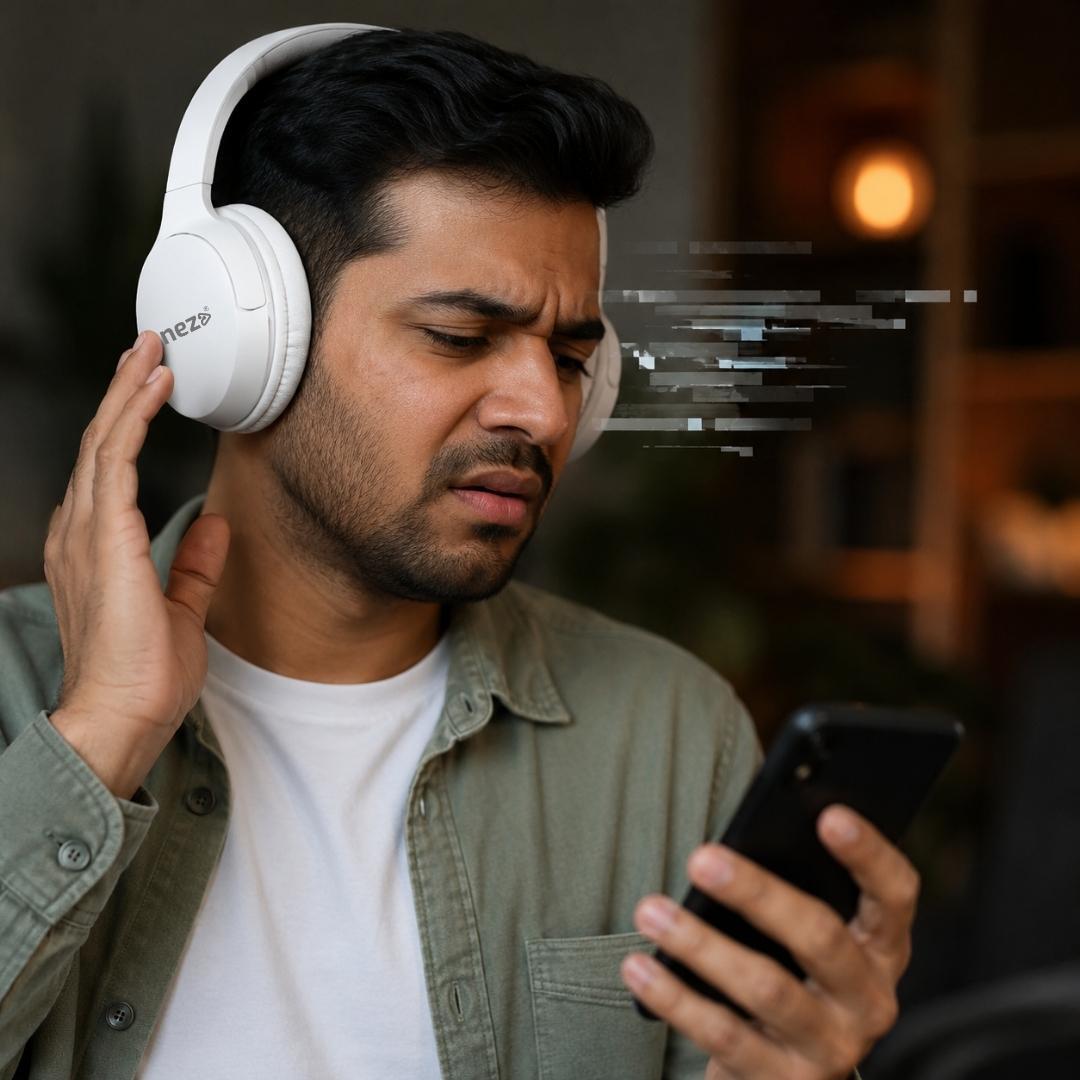
When listening to music, ambient noise competes with the audio you want to hear. This often causes listeners to increase the volume, which may not always be safe for hearing.
Influences Mood
Gentle natural sounds can create a relaxing atmosphere, while continuous loud background noise may increase stress and mental fatigue.
Ambient Noise and Hearing Health
Moderate ambient noise is generally harmless. However, prolonged exposure to loud background sounds can affect hearing over time.
Health experts commonly recommend limiting long-term exposure to sound levels above 85 decibels, as continuous high noise levels may contribute to permanent hearing damage.
Using hearing protection in noisy workplaces and keeping personal listening volumes at comfortable levels can help protect your hearing.
Ambient Noise and Noise Cancelling Technology
Modern headphones and earbuds often include Active Noise Cancellation, commonly known as ANC.
Instead of simply blocking sound, ANC uses microphones to detect ambient noise and creates an opposite sound wave that reduces unwanted background noise before it reaches your ears.
This technology is especially useful in environments such as:
- Airplanes
- Offices
- Public transport
- Cafes
- Busy streets
By reducing ambient noise, listeners can enjoy clearer music, podcasts, and phone calls without increasing the volume excessively.
Simple Ways to Reduce Ambient Noise
You cannot eliminate ambient noise completely, but you can reduce its impact with a few practical steps.
- Use headphones or earbuds with Active Noise Cancellation.
- Close doors and windows in noisy environments.
- Choose quieter workspaces whenever possible.
- Add curtains, rugs, or bookshelves to absorb indoor sound.
- Listen to music at safe volume levels.
- Turn off unnecessary electronic devices that create constant background noise.
These small changes can significantly improve focus and listening comfort.
Conclusion
Understanding ambient noise helps you recognise how everyday background sounds influence your work, conversations, entertainment, and overall well-being. While some forms of ambient noise create a peaceful atmosphere, others can become distracting or even harmful when exposure is prolonged.
Fortunately, simple solutions such as choosing quieter environments, using Active Noise Cancellation, and maintaining safe listening habits can greatly improve your daily audio experience. Whether you enjoy music, work from home, travel frequently, or simply want better focus, managing ambient noise can make a noticeable difference.
FAQs About Ambient Noise
1. What is ambient noise?
Ambient noise is the collection of continuous background sounds naturally present in a specific environment.
2. What are some examples of ambient noise?
Examples include traffic, birds chirping, rainfall, air conditioners, office conversations, and household appliances.
3. Is ambient noise harmful?
Normal ambient noise is generally safe, but prolonged exposure to loud background sounds can affect hearing health.
4. What is the difference between ambient noise and noise pollution?
Ambient noise refers to normal background sounds, while noise pollution involves excessive or unwanted noise that disrupts daily life.
5. Can ambient noise affect concentration?
Yes. Continuous background noise can reduce focus, lower productivity, and make studying or working more difficult.
6. How does Active Noise Cancellation reduce ambient noise?
Active Noise Cancellation detects ambient noise using microphones and generates opposite sound waves to reduce unwanted background sounds.
7. Can ambient noise affect music quality?
Yes. Ambient noise can mask audio details, making music and conversations less clear, especially in noisy environments.
8. What is the safe noise level for long-term listening?
Experts generally recommend limiting prolonged exposure to sounds above 85 decibels to help protect hearing.
9. Can ambient noise improve relaxation?
Yes. Natural ambient noise such as rainfall, ocean waves, or birdsong can promote relaxation, meditation, and better sleep.
10. How can I reduce ambient noise at home?
Using noise-cancelling headphones, closing windows, adding soft furnishings, and reducing unnecessary appliance noise can help minimise ambient noise indoors.