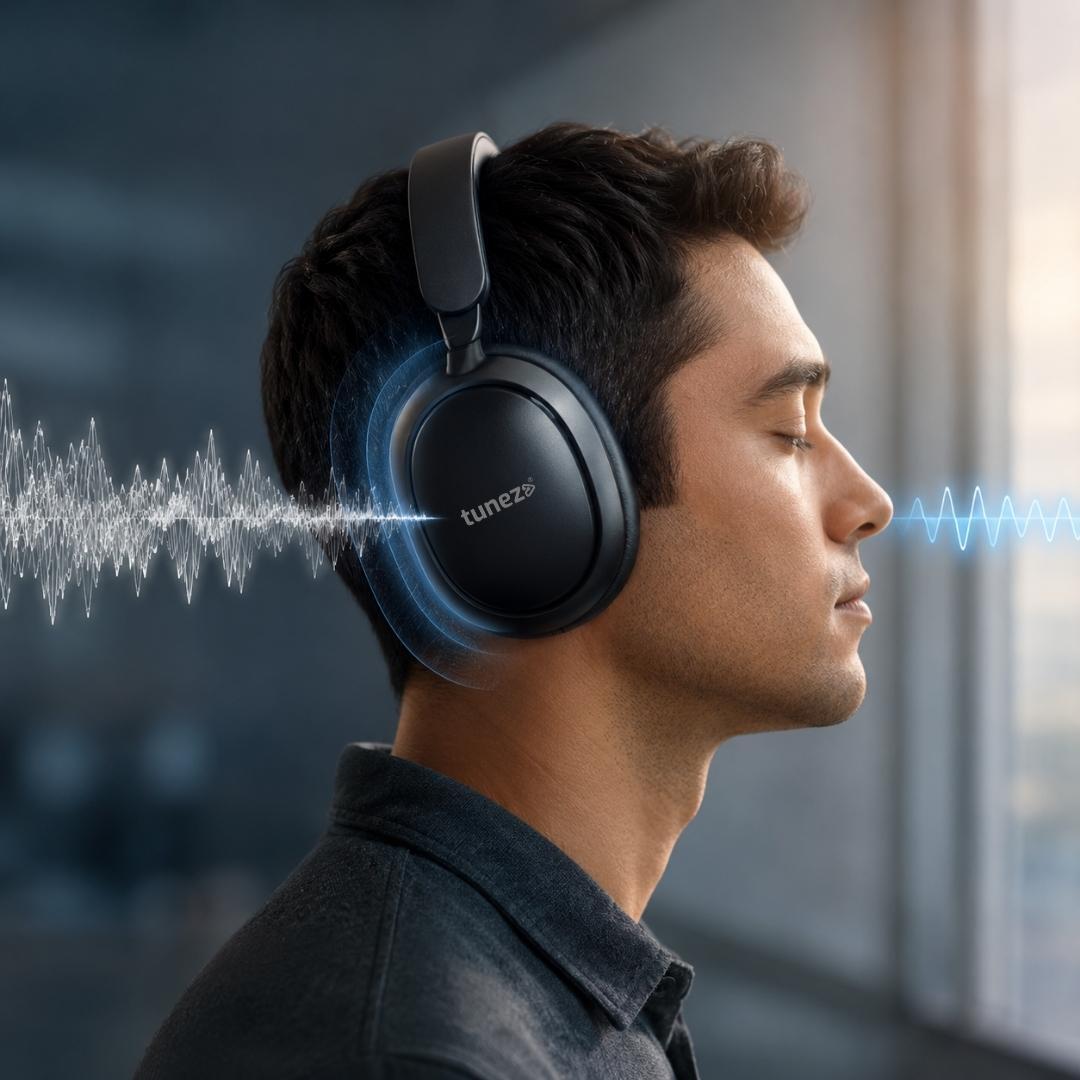






Have you ever listened to a song and noticed every instrument, every vocal detail, and every subtle sound exactly as the artist intended? That is the experience hi-fi audio is designed to deliver.
If you are wondering what hi-fi audio is, it simply means listening to music with exceptional clarity, accuracy, and minimal distortion. Instead of losing important details during playback, hi-fi audio reproduces the original recording as faithfully as possible.
Whether you enjoy music while working, travelling, relaxing at home, or gaming, understanding hi-fi audio can help you make better decisions when choosing headphones, speakers, streaming services, and audio accessories.
In this guide, you will learn what hi-fi audio is, how it works, what equipment you need, which audio formats it supports, and whether upgrading to hi-fi audio is worth it.
What Is Hi-Fi Audio?
Hi-fi audio stands for High Fidelity Audio. It refers to audio playback that reproduces sound with a high level of accuracy while reducing unwanted noise, distortion, and coloration.
The goal of hi-fi audio is simple. It should sound as close as possible to the original studio recording or live performance.
Unlike heavily compressed audio formats, hi-fi audio preserves more details, allowing listeners to hear:
- Clear vocals
- Natural instruments
- Deep bass
- Crisp highs
- Better separation between sounds
- Wider soundstage
A well-designed hi-fi audio system creates a realistic listening experience that standard compressed audio often cannot achieve.
How Does Hi-Fi Audio Work?
A hi-fi audio experience depends on every part of the audio chain working together. Even if one component is poor, the overall sound quality is affected.
High Quality Audio Source
Everything begins with the music itself.
Hi-fi audio performs best when using:
- FLAC
- WAV
- ALAC
- AIFF
- Lossless streaming
- High Resolution Audio
Highly compressed formats like standard MP3 remove portions of the original recording to reduce file size. While convenient, this compression also removes audio details permanently.
Digital to Analog Converter
Music stored digitally consists of binary data.
A Digital to Analog Converter, commonly called a DAC, converts this digital information into analog signals that headphones or speakers can reproduce.
A quality DAC offers:
- Better clarity
- Improved instrument separation
- Lower distortion
- Cleaner sound output
Many premium smartphones, portable audio players, and dedicated DAC devices include advanced audio processing.
Amplifier
The amplifier strengthens the audio signal before sending it to speakers or headphones.
A good amplifier provides:
- Clean power
- Better dynamics
- Higher volume without distortion
- Improved detail retrieval
Powerful headphones especially benefit from dedicated amplification.
Speakers or Headphones
The final stage of hi fi audio is the device producing the sound.
Good speakers and headphones should provide:
- Balanced frequency response
- Clear mids
- Controlled bass
- Detailed treble
- Accurate imaging
Even lossless music cannot sound its best through poor-quality speakers.
Key Features of Hi-Fi Audio
Several characteristics define a true hi-fi audio experience.
Accurate Sound Reproduction
Hi-fi audio reproduces recordings with minimal changes, allowing listeners to hear music exactly as it was mixed.
Low Distortion
Quality audio systems minimise unwanted distortion, even at higher listening volumes.
Wide Frequency Response
Hi-fi audio reproduces low, mid, and high frequencies naturally without overpowering any range.
Excellent Instrument Separation
Each instrument occupies its own space, making complex recordings easier to appreciate.
Wide Dynamic Range
Quiet passages remain clean while louder sections retain power without clipping or distortion.
Understanding Sample Rate and Bit Depth
Two technical specifications play an important role in hi-fi audio.
Sample Rate
Sample rate measures how many times audio is captured every second.
Common sample rates include:
- 44.1 kHz
- 48 kHz
- 96 kHz
- 192 kHz
Higher sample rates capture more audio information.
Bit Depth
Bit depth determines how much information each audio sample contains.
Typical values include:
- 16 bit
- 24 bit
- 32 bit
Higher bit depth improves dynamic range and reduces background noise during recording.
For most listeners, 24-bit lossless audio delivers excellent performance.
Best Audio Formats for Hi-Fi Audio
Choosing the right audio format plays a major role in achieving high-quality playback.
| Audio Format | Quality | Suitable for Hi Fi Audio |
| FLAC | Lossless | Yes |
| WAV | Uncompressed | Yes |
| ALAC | Lossless | Yes |
| AIFF | Uncompressed | Yes |
| MP3 | Lossy | No |
| AAC | Lossy | Limited |
Lossless formats preserve nearly all of the original recording, making them ideal for hi-fi audio.
What Equipment Do You Need for Hi-Fi Audio?
Building a hi-fi setup does not have to be expensive.
A typical system includes:
Audio Source
Use CDs, high resolution downloads, or streaming platforms offering lossless audio.
DAC
Improves digital audio conversion and overall sound quality.
Amplifier
Provides clean power for speakers or headphones.
Quality Headphones or Speakers
Choose products designed for balanced and accurate sound reproduction.
Good Audio Cables
Reliable cables help maintain signal quality throughout the system.
Best Streaming Services for Hi-Fi Audio
Many music platforms now offer lossless streaming.
Popular options include:
- Apple Music Lossless
- TIDAL
- Amazon Music Unlimited
- Qobuz
These services allow listeners to enjoy significantly higher audio quality than traditional compressed streaming.
Benefits of Hi-Fi Audio
Choosing hi-fi audio provides several advantages.
Better Listening Experience
Music becomes richer, cleaner, and more immersive.
More Musical Detail
Small sounds that often disappear in compressed audio become clearly audible.
Reduced Listening Fatigue
Balanced sound allows comfortable listening for longer periods.
Better Performance Across Genres
Whether listening to classical music, rock, jazz, podcasts, or movies, hi-fi audio improves overall clarity.
Is Hi-Fi Audio Worth It?
For casual listeners using basic earbuds and compressed streaming, the difference may seem small initially.
However, once paired with quality headphones or speakers and lossless music, many listeners immediately notice:
- Improved vocals
- Better bass control
- Clearer instruments
- Greater depth
- More realistic soundstage
You do not need an expensive home studio to enjoy hi-fi audio. Even affordable modern headphones combined with lossless streaming can deliver a significant improvement.
Tips to Get the Best Hi-Fi Audio Experience
If you want better sound quality, consider these simple improvements.
- Enable lossless streaming in your music app.
- Use wired headphones whenever possible.
- Invest in a quality DAC if your device supports it.
- Choose balanced headphones or speakers.
- Listen to lossless audio formats instead of compressed files.
- Keep firmware updated for compatible audio devices.
- Store audio files in lossless formats for offline listening.
Conclusion
Understanding what hi-fi audio is helps you appreciate why some music sounds dramatically better than others. Hi-fi audio is not just about higher volume or expensive equipment. It is about preserving every detail of the original recording and delivering an authentic listening experience.
By combining lossless music, a quality DAC, a capable amplifier, and well designed speakers or headphones, you can enjoy music with greater clarity, wider dynamics, and exceptional realism.
Whether you are a beginner exploring better sound or an enthusiast building your ideal setup, investing in hi-fi audio allows you to experience music exactly the way it was created.
FAQs About Hi-Fi Audio
1. What is hi-fi audio?
Hi-fi audio stands for High Fidelity Audio. It reproduces music with high accuracy, preserving the original recording while minimising distortion and unwanted noise.
2. Is hi-fi audio better than MP3?
Yes. Hi-fi audio uses lossless or uncompressed formats that retain significantly more audio information than MP3 files.
3. Which file formats support hi-fi audio?
FLAC, WAV, ALAC, and AIFF are among the most popular formats used for hi-fi audio.
4. Do I need special headphones for hi-fi audio?
Quality headphones or speakers help you experience the full benefits of hi-fi audio, especially when paired with lossless music.
5. Does Bluetooth support hi-fi audio?
Standard Bluetooth compresses audio. Newer codecs improve quality, but wired connections generally provide the best hi-fi audio experience.
6. Which streaming services offer hi-fi audio?
Apple Music, TIDAL, Amazon Music Unlimited, and Qobuz offer lossless streaming suitable for hi-fi audio.
7. What is the difference between lossless audio and hi-fi audio?
Lossless audio refers to the file format, while hi-fi audio describes the complete listening experience using high quality recordings and playback equipment.
8. Does a DAC improve hi-fi audio?
Yes. A dedicated DAC converts digital audio more accurately, improving clarity, detail, and overall sound quality.
9. Is hi-fi audio worth the investment?
If you enjoy music regularly, upgrading to hi-fi audio can provide noticeable improvements in clarity, realism, and overall listening enjoyment.
10. Can smartphones play hi-fi audio?
Yes. Many smartphones support lossless playback. Pairing them with a quality DAC and compatible headphones can significantly enhance the hi-fi audio experience.