






You have probably seen both terms plastered across phone boxes and charger packaging.
Fast charge. Turbo charge. With so many different types of mobile chargers available today, they all sound like they mean the same thing, and honestly, the marketing does not help clarify anything.
But once you understand what is actually happening inside your phone when it charges, the difference becomes much easier to grasp — and it might change how you buy your next charger.
Let us break it down properly.
What Is Fast Charging?
Fast charging is the broad umbrella term for any technology that delivers more power to your battery than a standard charger does — and once you understand this, related comparisons like the fast charging and flash charging become much easier to follow too.
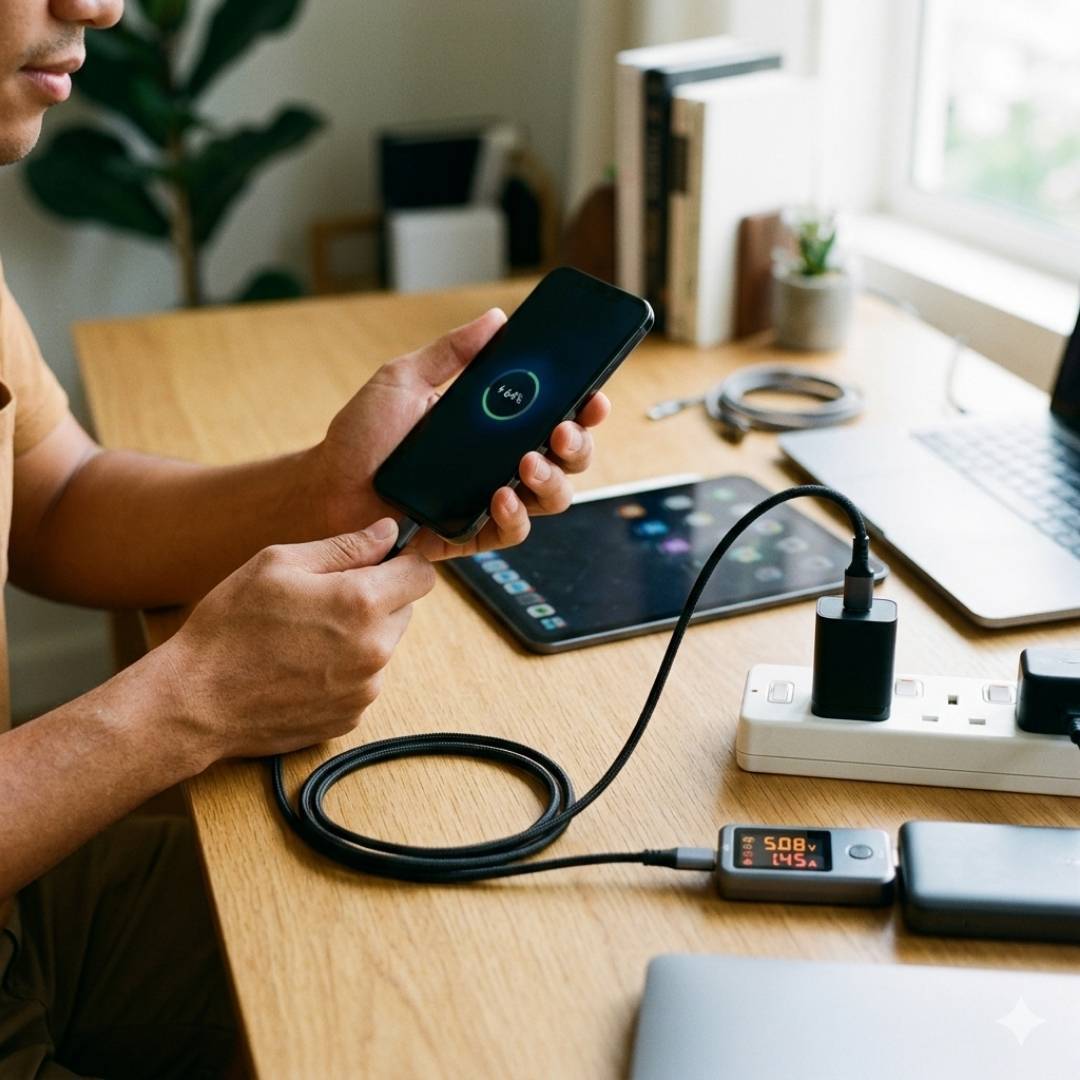
A traditional charger typically outputs around 5V at 1A, which gives you 5 watts of power. Fast charging pushes beyond that threshold by increasing either the voltage, the current, or both.
The most widely recognised standard under this umbrella is Qualcomm Quick Charge (QC). Developed by Qualcomm, Quick Charge is built into phones that run Snapdragon processors and is also licensed to other manufacturers. What makes it particularly useful is its cross-compatibility — a Quick Charge certified adapter from one brand will often work with a Quick Charge enabled phone from another brand, even if the logos are different.
Quick Charge 2.0 allows up to 3 amps, and the adapter can also vary the voltage — the phone and adapter communicate with each other to find the most efficient output for the current situation. This communication is what separates modern fast charging from simply plugging in a higher-rated adapter and hoping for the best.
Samsung calls their version Adaptive Fast Charging, but it is effectively the same Qualcomm Quick Charge technology, just licensed and rebranded. Quick Charge certified chargers from other manufacturers will still work the same way with Samsung devices.
What Is Turbo Charging?
Turbo charging is largely a brand-specific term used by manufacturers to describe their own proprietary fast charging implementation. Motorola calls it TurboPower. Huawei has its own Turbo charging built into the Hongmeng system. Xiaomi uses various high-wattage turbo protocols. OnePlus has Warp Charge, which is also a form of turbo charging.
The key distinction from standard Quick Charge is that turbo-charging systems are often closed ecosystems. They are designed to work best, sometimes exclusively, with the manufacturer's own cable and adapter. Using a third-party charger may still charge your phone, but you will not reach the peak wattage the phone is capable of.
Huawei's turbo charging, for instance, can output up to 22.5V on select devices. The Mate 50 Pro running Hongmeng requires an original 66W Huawei charger and the original cable to activate Turbo super fast charging mode. Once activated, the phone can go from 1% to around 50% in approximately 30 minutes.
The higher the wattage, the faster the initial charge. A 120W turbo charger will fill your battery significantly faster than an 18W Quick Charge adapter, but your phone will only draw the maximum power it was designed to handle. Plugging a 67W turbo charger into a phone that supports only 18W will not damage anything — it will simply charge at the slower rate.
How Does the Charging Process Actually Work?
Both fast charge and turbo charge follow the same two-stage process inside your battery.
Stage one is the bulk charge phase. When your battery is low, the charger pushes the highest safe level of power into it. This is why you can go from 5% to 50% so quickly — the battery absorbs power rapidly when it is nearly empty.
Stage two is the trickle charge phase. Once the battery hits around 60 to 80 percent, the charger automatically scales back power delivery to prevent overheating and protect long-term battery health. This is why the last 20% always seems to take longer than the first 50%.
Charging happens faster on a more empty battery than a more full one due to the electrochemical nature of lithium batteries — there are simply fewer molecules to react with as capacity fills. This is entirely normal and not a sign of anything going wrong.
Quick Charge vs Turbo Charge: Side by Side
|
Features
|
Quick Charge |
Turbo Charge
|
| Developed by | Qualcomm | Brand-specific (Motorola, Huawei, Xiaomi) |
| Cross-compatibility | High | Low to moderate |
| Peak wattage | Up to 65W (QC 5.0) | Up to 120W+ |
| Requires brand charger | No | Usually yes |
| Safety protocols | Built-in voltage regulation | Built-in current limiting |
| Best for | Multi-brand flexibility | Maximum speed on supported devices |
Does Fast Charging Damage Your Battery?
This is one of the most common concerns, and it is a fair one. The short answer is: not significantly, when done correctly. Both Quick Charge and turbo charging technologies include safety protocols that prevent overcharging and manage heat. Higher voltage with lower current, for example, at 12V and 1.2A, produces nearly the same wattage as lower voltage at higher current, but with less heat and reduced risk of battery degradation over time.
The bigger threat to battery longevity is consistently charging to 100% and leaving it plugged in, or frequently draining it to 0%. How you charge matters as much as how fast you charge.
Which Charger Should You Actually Use?
For the fastest and safest charging experience, use the charger that came in the box with your phone. Manufacturers tune their charging protocols to work best with their own hardware.
If you need a spare or replacement, look for a charger that matches your phone's specific protocol. A Quick Charge certified charger is a safe choice for most Android phones. If you own a Huawei, Xiaomi, or OnePlus device with proprietary turbo charging, check the manufacturer's accessories page for a compatible option.
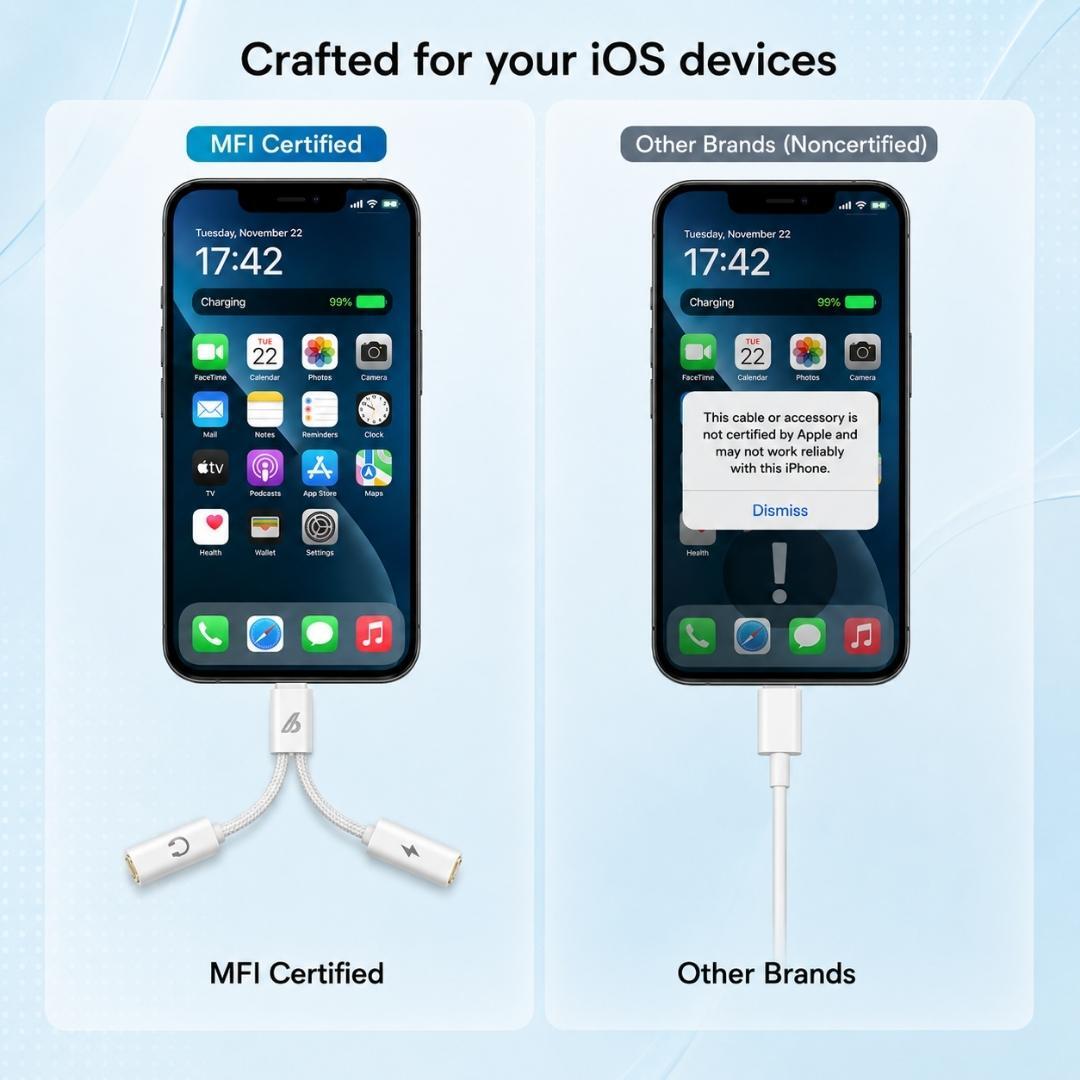
Avoid cheap, unbranded chargers entirely. They rarely support the communication protocols needed for intelligent fast charging and can, in some cases, cause genuine damage over time.